
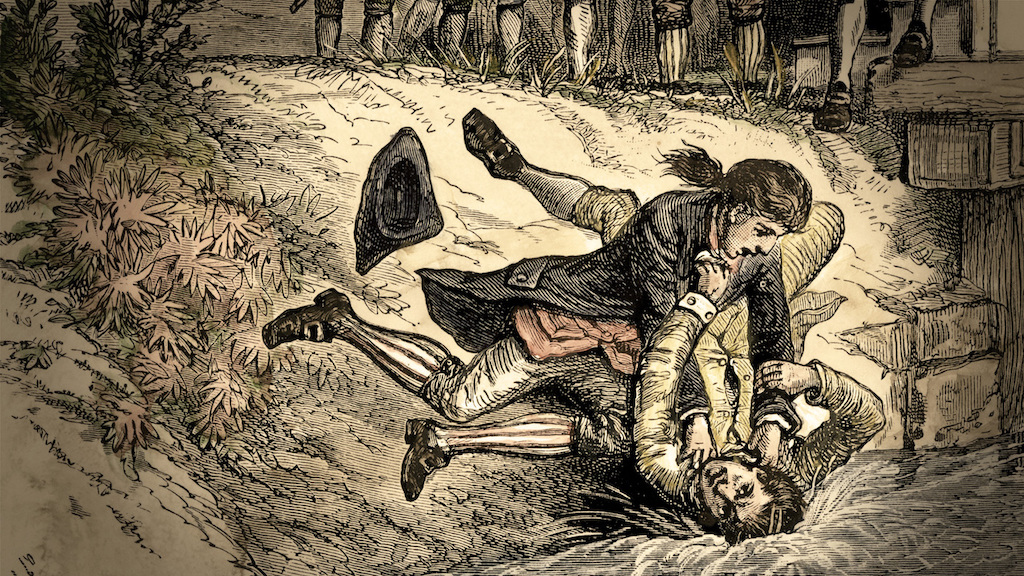

Students will learn about challenges to the stability of American democracy and describe the threat those problems pose to the health of our country.
Voting and Elections
Posted inCivics and Government
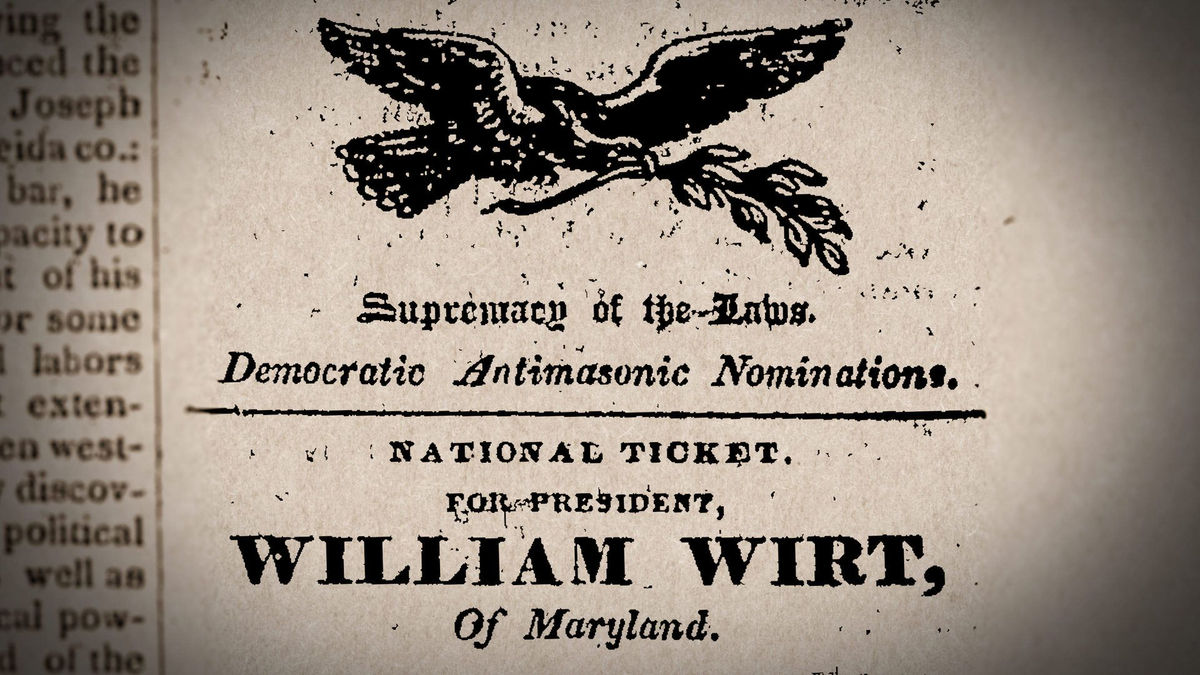
Lesson Plan: The Birth of the U.S. Political Convention in 1831
Students will learn why the populist and conspiracy-obsessed Anti-Masonic Party held America’s first political party convention, a democratizing innovation that changed forever the way Americans choose their presidents.

Posted inCivics and Government
Lesson Plan: 1964 Republican Convention – Chaos and Conservatism
Students will learn how Senator Barry Goldwater’s nomination in 1964 led to a disastrous Republican convention and a Democratic landslide in November, but not without giving birth to the conservative movement that has come to dominate today’s Republican Party.
Posted inCivics and Government
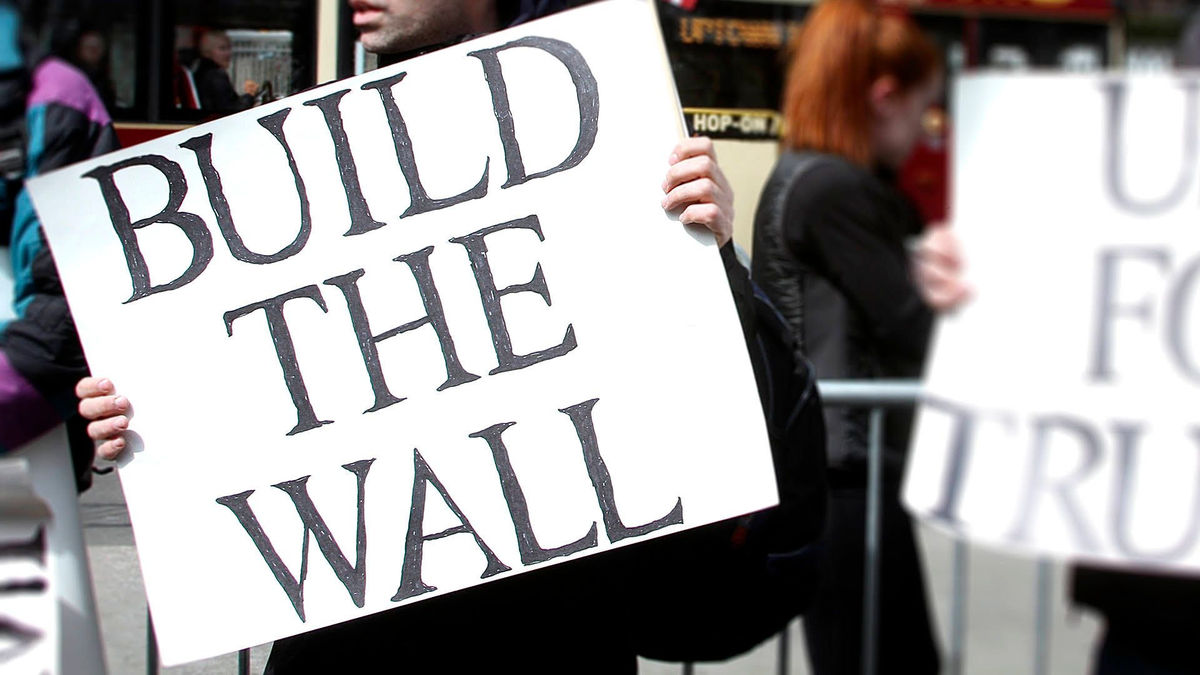
Lesson Plan: 1924 Democratic Convention – Tension Over Immigration
Students will learn how the 1924 Democratic National Convention became a raucous battleground over the influence of the Ku Klux Klan.
Posted inCivics and Government
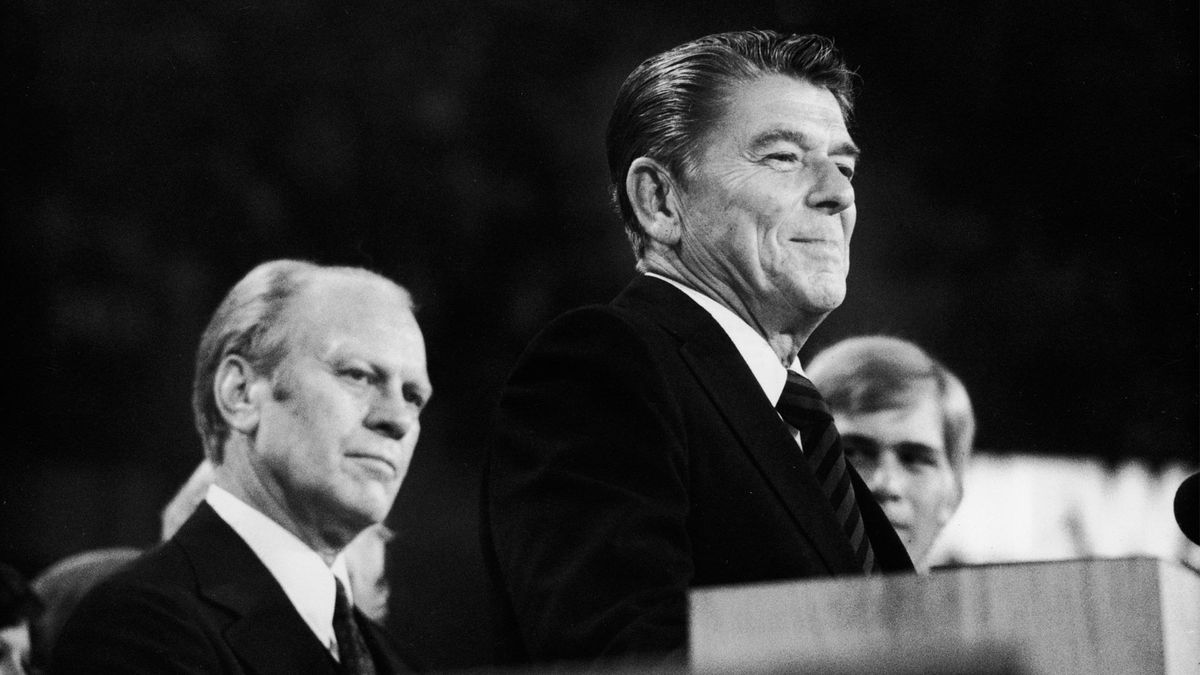
Lesson Plan: Lessons From the 1976 Republican Convention
Students will learn about the 1976 Republican convention, one of the last political conventions where the party’s nominee for president was not determined well in advance. President Gerald Ford held the lead with the most delegates, but California’s governor, Ronald Reagan, was close behind, and the remaining uncommitted delegates held the power. The convention revealed an ideological divide in the party: Some Republicans viewed Ford as too liberal and saw Reagan as a conservative alternative. The convention showcased a kind of bare-knuckle politics and drama that hasn’t been seen since.

Posted inCivics and Government
Lesson Plan: Civics Skills: Open Minds for Stronger Communities
The political and social climate of the United States is marked by ideological polarization and social isolation. This short film showcases a group of high school students planning an intergenerational event, seeking to break down barriers and learn about issues facing their community from multiple perspectives. Students will learn how more connected communities can produce stronger civic engagement.
Posted inCivics and Government
Lesson Plan: Civics Skills: The Power of Your Vote
For over 200 years, American constitutional democracy has been a model for the world. One area where civic engagement and the American political system could improve is voter turnout, particularly among younger voters. Students will explore ways to educate and motivate the next generation of voters about the importance of their vote and encourage young people to participate in elections.
Posted inCivics and Government
Lesson Plan: Civics Skills: Writing To Elected Officials
Students will explore ways to become an engaged citizen.

Posted inCivics and Government
Lesson Plan: Mud-Slinging and Deadly Duels: How Negative Campaigning Evolved
Students will examine examples of negative campaigning in previous U.S. presidential elections and analyze if the tone of the campaigns have changed over time.

Posted inCivics and Government
Lesson Plan: Picking a Partner: The V.P. Relationship
Students will learn about the Eaton affair and how it contributed to John C. Calhoun being the first vice president to resign.
