


Hispanic Heritage Month (Sep. 15 – Oct. 15) presents a unique opportunity to introduce students to milestone events and civil rights movements that have shaped Latino culture and politics. The videos below have subtitles and transcripts in Spanish, and are accompanied by free lessons and student activities. They are included in our Retro Report en Español collection, which makes our videos accessible to the millions of students whose first language is Spanish.
Check out these five stories of justice, activism and resilience that will highlight Hispanic history and spark discussions in the classroom.
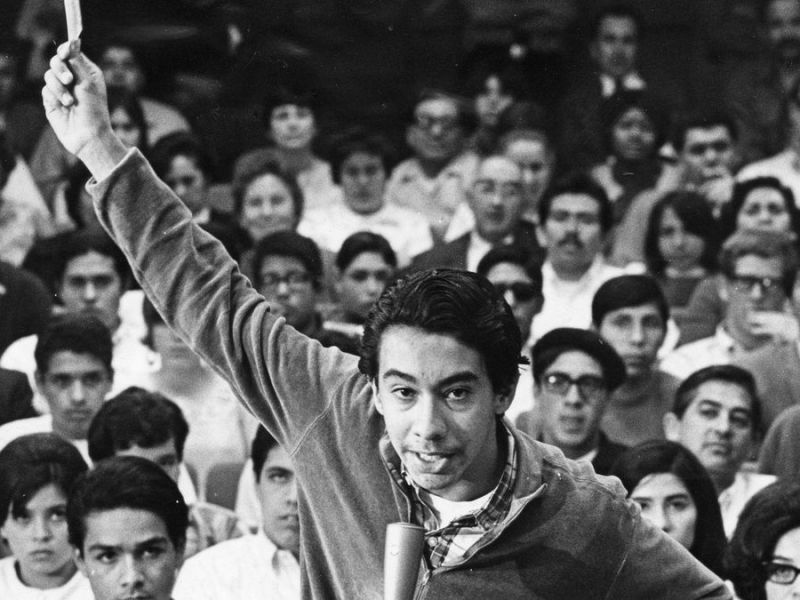
Student Activism in East Los Angeles
In 1968, thousands of high school students and supporters walked out of classes in East Los Angeles to protest systematic discrimination and inequality for Mexican Americans in the public education system. Their concerns included the omission of Hispanic history in the curriculum, a lack of bilingual teachers and limits on college-prep opportunities as opposed to an emphasis on vocational training.
This video captures how youth activism powered the rise of the Chicano rights movement, reshaping the fight for educational equality. A lesson plan and student activity will guide students through the events surrounding the protest, empowering them to confidently explain the idea of civil disobedience and its impact on history.
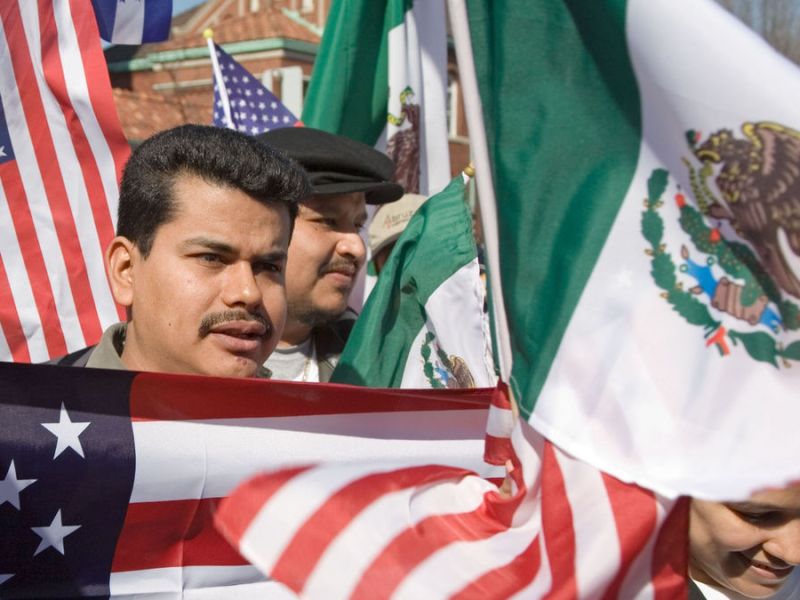
The National Conversation on Immigration
California’s Proposition 187, passed in 1994, was legislation that sought to restrict undocumented immigrants’ access to public services. Coupled with a rise in political discourse, shifting ideologies and economic change, Prop 187 became the trigger for new immigration policy and reshaped debate across the U.S today.
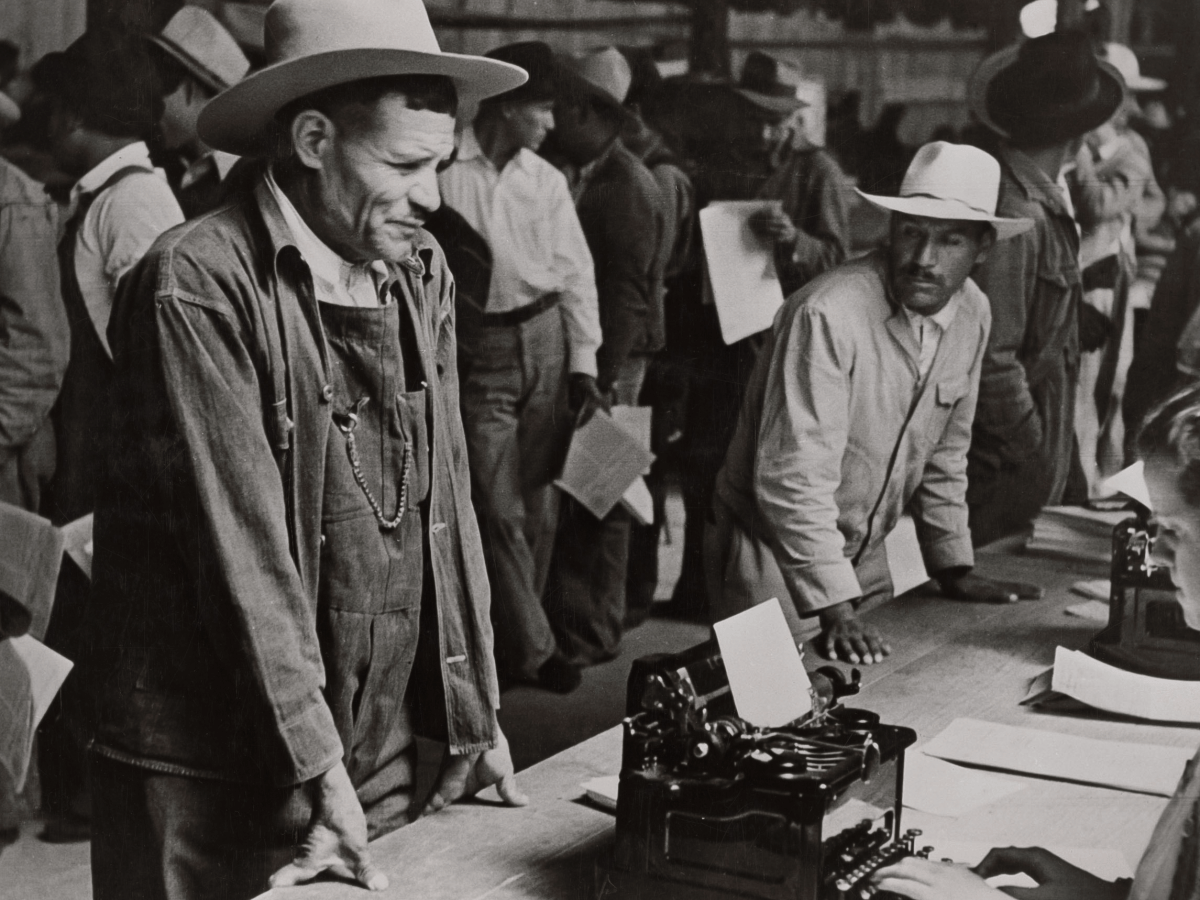
As the U.S. economy declined during the Great Depression, Mexican immigrants and Mexican Americans were frequently targeted. Government authorities organized repatriation campaigns that led to the removal of people of Mexican descent—including U.S. citizens—who were sent to Mexico.
However, during World War II, agricultural labor shortages in the United States led to the establishment of the Bracero Program. This agreement between the U.S. and Mexico authorized U.S. farmers to hire Mexican laborers to work in American fields. Bracero workers were crucial for maintaining the nation’s food supply during and after the war.
Argentina’s Stolen Babies
During the 1970s under Argentina’s military dictatorship, 30,000 people are estimated to have been kidnapped, including an estimated 500 babies taken from their families and illegally adopted. The mothers and grandmothers of Plaza de Mayo have never stopped searching for the missing children. This video sheds a light on their search, documenting their relentless fight for justice.

Press Freedom in Central America
Journalists like Nelson Rauda, a Salvadoran reporter interviewed for this short film, want to “continue shedding light” on corruption and challenges to free speech and a free press in Central America. Hear how the political landscape of El Salvador plays a crucial role in free press and, ultimately, democracy.

To access more free lesson plans and student activities, create an account on Retro Report’s website today. Click here to register.
Isadora Varejão is an engagement producer.
Yash Markendey is a former audience engagement intern at Retro Report. He is an undergraduate at Northwestern’s Medill School, studying journalism, marketing and design.
RELATED ARTICLES:
- Retro Report’s Most Popular Resources for AP Courses
- Economics Resources for Teachers: Interdisciplinary and Standards-Aligned
- Top 5 Science Videos According to Our Teacher Advisors
- Four Issues Teachers Struggle With (and Tools for Tackling Them)
- Our Teacher Advisors’ Favorite Social Studies Videos for 2025
