

Almost 100 Retro Report teacher advisors collectively reported using more than 70 Retro Report short docs in class during the first half of the year. In social studies classrooms, five videos stood out. They cover a range of topics in 20th-century history, including World War II, the Civil Rights Era, and the Cold War. Educators teaching middle and high school reported increased student engagement and more interest in the topic compared to previous years.
Here are our advisors’ favorite social studies videos for 2025. Bookmark them!
#5: “How a 1944 Supreme Court Ruling on Internment Camps Led to a Reckoning“
How teachers used the resource: As part of a lesson on World War II and to help English learners build background and vocabulary prior to a lesson on internment camps. An APUSH teacher used the video and lesson to help students practice skills for writing DBQs.
“Everyone was engaged,” said Leighton Suen, who teaches ELA and English at New Dorp High School, Staten Island, NY. “I also loved how informative this video was. I’ve looked around on YouTube for similar videos for this unit, and the one by Retro Report was one of the best available.”
This 10-minute video revisits how, just months after the Japanese attacked Pearl Harbor, President Franklin Roosevelt ordered 120,000 people of Japanese descent, most American citizens, rounded up and imprisoned in camps. Students will learn about the legacy of the Supreme Court decision that ruled that the president’s order was a valid wartime response. Two sets of resources accompany this video, and one of them includes strategies for scaffolding the lessons.

How a 1944 Supreme Court Ruling on Internment Camps Led to a Reckoning
The U.S. government ordered 120,000 people of Japanese descent, most American citizens, imprisoned during World War II. An admission of…
Access resources.#4: “Beyond the Battlefield: Double V and Black Americans’ Fight for Equality“
How teachers used the resource: In the context of the Civil Rights era, World War II and African American history. All educators said that students paid more attention than usual in class.
“It really helped drive home the concept that like every other American experience, one’s culture and race are major determinants of how people saw their time,” said Todd Siders, a social studies teacher at Petaluma City Schools, Calif.
This 12-minute video explores an early civil rights initiative during World War II known as Double V, which advocated for dual victories: over fascism abroad, and racial injustice in the United States. The free lesson plan and student activity are great fits for U.S. History, World History, Ethnic Studies and African American History courses.

#3: “How a Cold War Airlift Saved Berlin With Food, Medicine and Chocolate“
Since its release in 2021, this short documentary on the Cold War has become one of the most popular social studies videos in Retro Report’s library. This year we received more feedback from AP World History teachers.
“They [students] liked that this resource was made more accessible by focusing on food, medicine, and chocolate,” said Tara Cocanower, a World History teacher at Bluffton High School, Indiana. “They said it related to our previous studies on those topics from Dar al Islam to the Columbian Exchange and beyond. In AP World, we love continuities!”
This eight-minute video explains how the Berlin Airlift helped protect Berlin from Soviet control, contributed to the rise of NATO and set the tone for the Cold War. Two lesson plans are available for this video, including a primary source pack and scaffolded writing outlines, designed to meet the needs of a variety of learners.

How a Cold War Airlift Saved Berlin With Food, Medicine and Chocolate
A Soviet blockade around Berlin cut the divided city off from the West. But in 1948 U.S. and British pilots…
Access resources.#2: “How Tinker v. Des Moines Established Students’ Free Speech Rights”
How teachers used the resource: This short doc was used in Government and AP Gov classes, and also in U.S. History and APUSH lessons looking at the civil rights era.
“Students were very interested in this case and lesson as they are part of the school environment,” said Zack Burns, who teaches AP Government at Hardin Valley Academy, in Knoxville, Tenn. “We tried applying lessons learned to scenarios for today.”
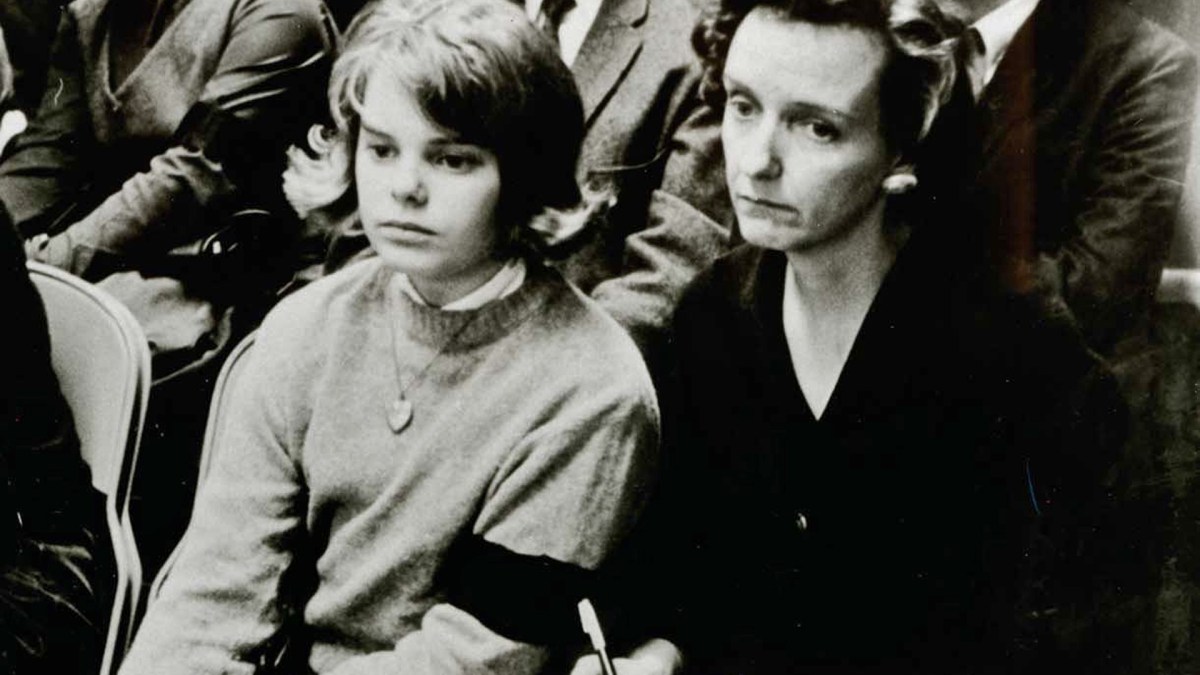
This seven-minute video explores the history behind the Supreme Court’s 1969 decision in Tinker v. Des Moines, which established a key precedent for student free speech rights that still influences legal cases today. The video is accompanied by two sets of resources, available through a free teacher account on retroreport.org.
#1: “What Japan’s Atom Bomb Survivors Have Taught Us About the Dangers of Nuclear War“
How teachers used the resource: The most popular social studies video of 2025 was used extensively in lessons about World War II. It helped students think about the human costs of the war and empathize with survivors.
“Many middle school students come to this conversation with a view of the atomic bombings as something exciting, referencing video games and other media,” said Lindsay Miller, a U.S. History teacher at Wayne Township Public Schools, New Jersey. “I feel this video helped to shift classroom questions to a nuanced and human consideration of their impacts.”
This 10-minute video features interviews with hibakusha — survivors of the 1945 United States atomic bombing of Hiroshima and Nagasaki — who faced not only physical scars but emotional damage as well. This video has two sets of resources that can be used in social studies or English/ELA courses.

Explore Retro Report’s library and find hundreds of videos and resources that will bring history to life in social studies classes. Create your free teacher account and join thousands of educators from across the country who are already using our videos to increase engagement, spark discussion and foster critical thinking skills in the classroom.
ISADORA VAREJÃO is an engagement producer.
RELATED ARTICLES:
- Browse Our Most Popular Social Studies Activities in 2025 (So Far)
- Four Issues Teachers Struggle With (and Tools for Tackling Them)
- How I Introduced Local Native American History at My High School—and How You Can, Too
- This Earth Day, Deepen Students’ Knowledge and Bust Through Myths About the Ozone Layer
- Spark Cross-Curricular Discussion and Research Projects on Earth Day With This Video
