


Political memes are being deployed to share opinions, similar to how editorial cartoons were used in the past – but with one important difference.
Voting and Elections

Posted inCivics and Government
Lesson Plan: Dr. Martin Luther King at Gee’s Bend

Students will learn the history of Dr. Martin Luther King Jr.’s fight for voting rights in Gee’s Bend, Ala., a town whose status today shows both the achievements and unfinished work of King’s movement.

Posted inCivics and Government
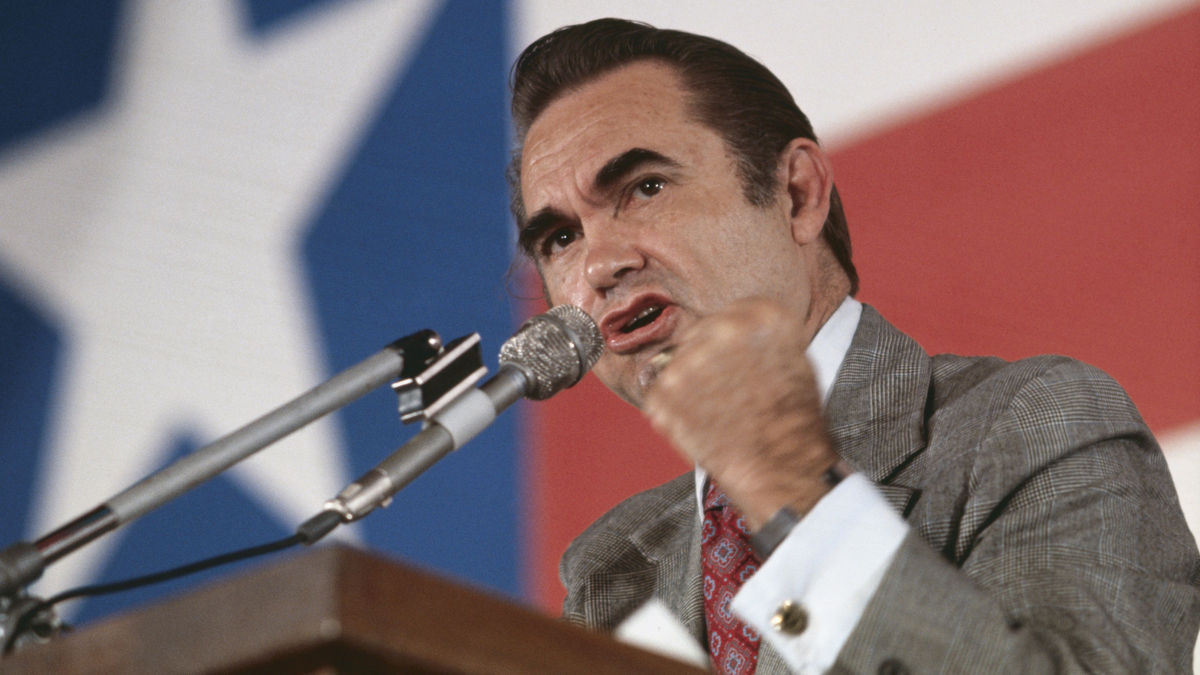
Lesson Plan: George C. Wallace and the Politics of Segregation
Students will learn how Alabama Gov. George Wallace’s evolving positions on race reveal both the intensity of the white backlash to desegregation during the 60s and the growing political power of the black community during the 70s and early 80s.


Posted inCivics and Government
Lesson Plan: Exploring the Impact of Campaign Ads
Students will learn how famous campaign ads like the “Daisy,” “Morning in America” and “Willie Horton,” changed how political advertisements were made, and in doing so changed the course of history.
Posted inCivics and Government
Lesson Plan: 1968 Democratic National Convention – The Mess in Chicago
Students will learn how internal tensions over Vietnam and the cultural changes of the 1960s led to violence and chaos at the 1968 Democratic National Convention.
Posted inCivics and Government
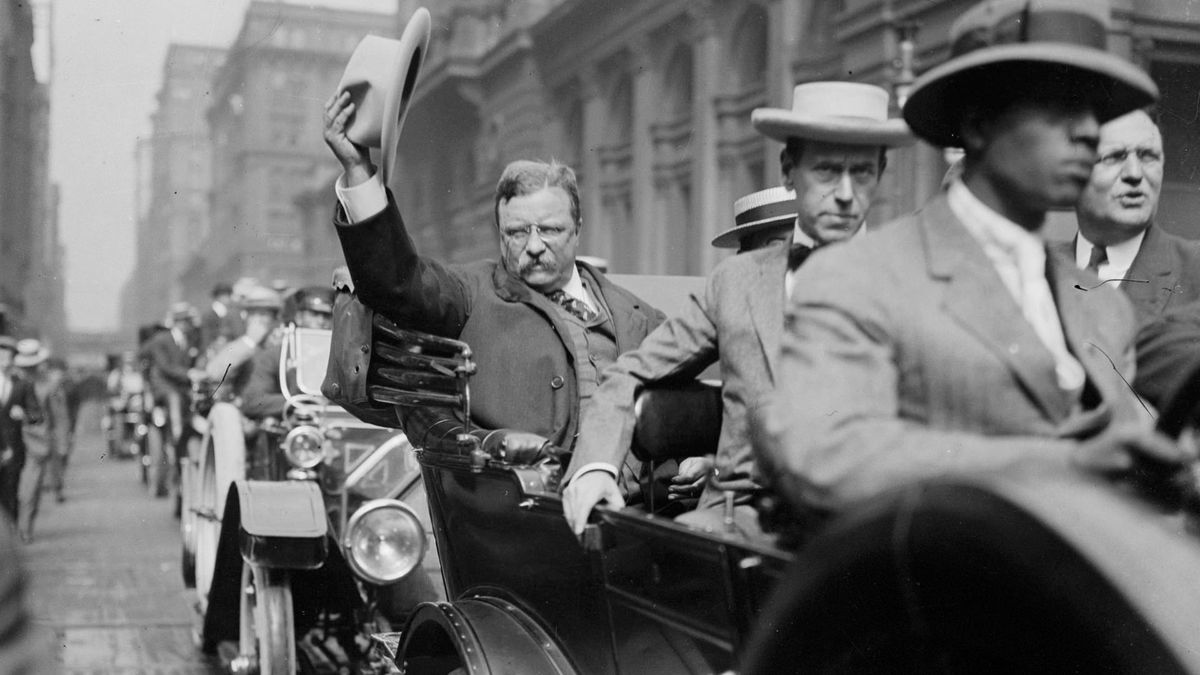
Lesson Plan: 1912 Republican Convention – TR Starts the Bull Moose Party
Students will learn how former President Theodore Roosevelt used the newly created direct primary system to challenge incumbent President William Howard Taft for the Republican Party’s nomination in 1912.

Posted inCivics and Government
Lesson Plan: Lessons from the 2004 Democratic Convention: Obama’s Speech
Students will learn about the most memorable moment from the 2004 Democratic Convention: the keynote speech delivered by a little known U.S. Senate candidate from Illinois named Barack Obama. The keynote speech of a political convention draws millions of viewers and has the ability to launch or sink political careers. Barack Obama wrote and delivered a speech that many political analysts believe propelled him to the Presidency four years later. This lesson examines not only Obama’s speech, but other examples of American oratory to demonstrate the importance of the spoken word in setting the direction of the country.
