
Resources
Psychology and Sociology
See table of contents ▶
Mental and Physical Health
What Japan’s Atom Bomb Survivors Have Taught Us About the Dangers of Nuclear War
Japanese survivors recall the day the U.S. dropped an atomic bomb on Hiroshima, and warn of future risks.
 10:05
10:05
 2
lesson plans
2
lesson plans

Attacks in New York City Renew Questions About Forced Mental Health Treatment
New York City’s renewed efforts to tackle homelessness and untreated mental illness is raising complex questions about civil liberties, public safety and effective care.
12:57
1
lesson plan

Covid Deaths Left Orphans. The Stress of That Loss May Carry Lifelong Risks.
Avion Simon and his siblings, C.J., and Momo, lost their mother to Covid-19. Science has some ideas about the health hurdles that Covid orphans could face in the future.
11:03

The Weight of Stigma: Heavier Patients Confront a Bias
A look at how a bias on body size affects care of heavier patients, something the medical community is beginning to recognize, and do something about.
06:31

What’s in a Number? Some Research Shows That a Lower B.M.I. Isn’t Always Better.
Biased ideas about a link between body size and health have led many people to dismiss unexpected scientific findings.
10:42

9/11 Heroes: Surviving the Biggest Attack on U.S. Soil
First responders who survived 9/11 don’t want the day to be forgotten.
11:52
3
lesson plans

Bringing Midwifery Back to Black Mothers
For care in pregnancy and childbirth, Black parents are turning to a traditional practice.
16:07

Shamed by Sex, Survivors of the Purity Movement Confront the Past
A “purity” movement in the 90s led by evangelical Christians promoted a strict view of abstinence before marriage. Today, followers are grappling with unforeseen aftershocks.
11:45

Health Risks of Vaping: Lessons From the Battle With Big Tobacco
Like cigarette manufacturers decades ago, e-cigarette makers have pitched their products as fun and safe. But nobody knows what the risks are.
13:01
1
lesson plan
Working Sick During Covid: What We Learned from Swine Flu
‘Stay home if you’re sick’ is time-tested advice. But not all workers can afford it.
06:44

The Domestic Violence Case That Turned Outrage Into Action
The “Burning Bed” killing put domestic violence in the headlines.
18:47
What the Bungled Response to H.I.V. Can Teach Us About Coping With Epidemics
Politics, public health and a pandemic. What we didn’t learn from H.I.V.
12:14
1
lesson plan

Coronavirus Reignites a Fight Over Rights of Detained Migrant Children
Migrant children in federal custody have tested positive for Covid-19, reopening a legal battle over the rights of children in custody.
06:49

Coronavirus: Lessons From Past Epidemics
Dr. Larry Brilliant, who helped eradicate smallpox, says past epidemics can teach us to fight coronavirus.
10:42
1
lesson plan

Boxers Confront Brain Injuries, Their Most Challenging Foe
For many boxers, once the punches stop, the real fight starts.
03:04

Teaching Teens About Sex: The Decades-Old Debate over Abstinence-Only
A decades-old battle is re-emerging over abstinence-only sex education.
13:01

AIDS: From Ryan White to Today’s Silent Epidemic
Rates of H.I.V. infection have fallen in many places, but the AIDS crisis persists in some parts of the country. What can be learned from history – and specifically the story of Ryan White?
11:45
1
lesson plan

The Surprising Legacy of the Boy in the Bubble
Newborns today are tested for genetic and immune disorders that might not be apparent at birth. The tests evolved from the treatment of a patient with a rare diagnosis who became known as “the Boy in the Bubble.”
11:28
1
lesson plan

Could a Simple Intervention Fight a Suicide Crisis?
A simple intervention to reduce suicide deaths – written messages of compassion and empathy – showed promise in the 1960s, but has been overlooked until now.
09:07
1
lesson plan

LSD Gets Another Look
LSD has long been associated with 1960s counterculture. Today, psychedelic drugs are back in the lab, providing hope for people who suffer from anxiety, depression and addiction.
11:24
1
lesson plan

Tabletop to Tablet: Using Dungeons & Dragons to Combat Screen Addiction
The role-playing game Dungeons & Dragons, once at the center of a moral panic, is now seen as a counterbalance to the problem of screen addiction.
11:03
Thalidomide: From Tragedy to Treatment
How a pill that led to drug safety guidelines became a case study for rising drug prices.
11:20
2
lesson plans

Life After Columbine
Sean Graves was told he would never walk again after being shot during the attack at Columbine High School. This is the story of what happened next.
03:03

Future of Aging
Across the globe, more and more people are living longer lives and that’s redefining what it means to be over 65, and what the future might mean for retirement.
09:49
1
lesson plan
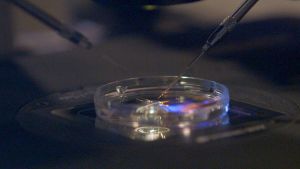
Genetic Screening: Controlling Heredity
With every new advance in prenatal genetic screening, the ability to prevent suffering has also sparked difficult questions about what should count as “a disease” versus “a difference,” and whether we’re in danger of wiping out certain segments of the population. This story was produced in collaboration with PBS, American Experience.
11:13

Surviving Heroin
After surviving four heroin overdoses, Heather Wetzel hopes she can stay clean for her daughter.
02:24

Where the Debate Over “Designer Babies” Began
Genetic technology is advancing, and critics are warning of a slippery slope. We speak with the scientists working at the forefront of the research, families who have benefited and the first-ever “test-tube” baby to understand the debate.
11:30

Old Attitudes on Addiction Are Changing. So Are Treatments.
Overdose deaths are skyrocketing, forcing researchers to find new ways to think about and treat addiction.
06:08
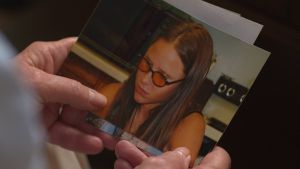
Anorexia and Suicide: A Mother’s Fight for Change
Kitty Westin shares the story of her daughter, Anna, who killed herself after struggling with anorexia for years.
04:28

Myths and Misperceptions about Eating Disorders
Thirty million people will suffer from eating disorders in their lifetime, yet decades after Karen Carpenter died from anorexia, myths about eating disorders continue.
07:19

Reproductive Rights and the Women Who Sparked a Movement
As the U.S. tightens restrictions on women’s reproductive health, the new season of The Handmaid’s Tale seems more relevant than ever. We look back on a group of women who broke sexual taboos in the 1970s, and how the fight over women’s bodies continues today.
04:14

Mr. Pilates
Did you know, the origins of the Pilates workout stem from WWI? Learn more about the fitness regimen Joseph Pilates developed in a British internment camp in this collaboration with PBS, American Experience.
02:36

Lobotomy: A Dangerous Fad’s Lingering Effects on Mental Illness Treatment
From the 1930s to the 1950s, a radical surgery – lobotomy – changed the understanding and treatment of people with mental illness.
11:27
1
lesson plan

Atomic Vets
The story of the veterans who witnessed secret atomic testing and how their decades-long struggle for recognition affects soldiers today. This story is a coproduction with Reveal, from The Center for Investigative Reporting.
13:34
2
lesson plans

How Heroin Addiction’s Rural Spread Changed the War on Drugs
From time to time over the past 40 years, efforts were made to treat heroin addiction as a public health instead of a crime problem. But they were not successful.
13:59
1
lesson plan

Leaving NFL Over CTE Concerns Made Chris Borland Football’s Most Dangerous Man
He’s been called the most dangerous man in football. Not for what he’s doing on the field – but what he’s saying off of it. A new series of original Retro Report short docs produced for Facebook.
01:55

The Nanny Murder Case: Shaken Baby Syndrome on Trial
In 1997, a young British nanny charged with murder brought shaken baby syndrome into the national spotlight, and raised a scientific debate that continues to shape child abuse cases today.
12:57
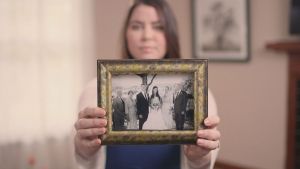
A Right to Die?
Should doctors be allowed to help suffering patients die? In 1990, with his homemade suicide machine, Dr. Jack Kevorkian raised that question. It’s an issue Americans still struggle with today.
14:26

How the Story of ‘Sybil’ Influenced Views of Mental Illness
A hit 1970s movie shaped public opinion and popularized a rare diagnosis.
12:39
1
lesson plan

How Prozac Turned Depression Medication into a Cultural Phenomenon
When Prozac was introduced in 1988, the green-and-cream pill to treat depression launched a cultural revolution that continues to echo.
09:14

Walter Reed: The Battle for Recovery
In 2007, mismanagement and mistreatment of wounded soldiers at Walter Reed Army Medical Center made national headlines. Today, after major reforms, what has changed for America’s injured soldiers?
12:11

The Crack Baby Scare: From Faulty Science to Media Panic
In the 1980s, images of tiny, jittery “crack babies” caused social outcry – crack-addicted pregnant mothers were prosecuted and the media warned that a generation of “crack babies” would plague our country. Turns out… they were wrong.
10:06
Principles of Behavior
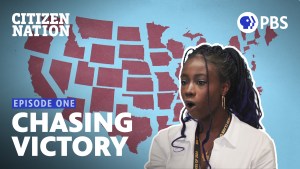
Citizen Nation: Chasing Victory
In Episode 1 of “Citizen Nation,” a four-part coming-of-age story, we begin to follow teenagers from across the U.S. with diverse personal and political backgrounds as they come together to compete in the nation’s premier civics competition, We the People.
54:20

Citizen Nation: In the Fray
In Episode 2, the pressure heats up. One participant from Virginia becomes eligible to vote in an election where his father, the coach of a rival team, is a candidate.
54:20
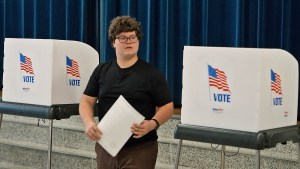
Citizen Nation: Citizenship Responsibilities
Caden’s 18th birthday coincides with Election Day, and he casts his first vote for his dad.
03:17
1
lesson plan

Citizen Nation: Exploring Judicial Independence
Students tackle tough questions on the judiciary’s role in democracy.
02:19
1
lesson plan
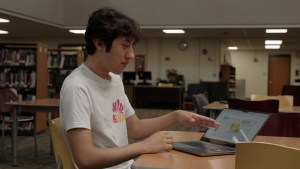
Civics Skills: Evaluate Sources to Build an Argument
A student demonstrates how he gathers evidence and identifies credible sources while doing research.
04:27
3
lesson plans
Online All the Time? Researchers Predicted It.
Our social media addiction is explained by theories pioneered by B.F. Skinner decades ago.
10:07
1
lesson plan
Future of Gaming
As gaming becomes the dominant form of entertainment this century, game developers increasingly track player behavior to tailor experiences that will keep people playing longer and spending more money.
11:39

Abortion Was Illegal. This Secret Group Defied the Law
The Supreme Court has reversed Roe v. Wade, the 1973 ruling that established the constitutional right to abortion. We tell the story of the Jane Collective, which provided thousands of illegal abortions from 1969 to 1973.
08:08
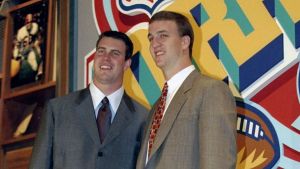
The NFL Draft 20 Years After Manning-Leaf: How Teams Try to Pick a Winner
After the 1998 NFL draft produced one of the greatest busts in history, what have we learned about the science of evaluating human talent – on and off the field?
12:38

Activating a Generation: From Live Aid to the Ice Bucket Challenge
Thirty years after “Live Aid” changed the face of charity fundraising, clicktivism has taken center stage. If you share, re-tweet and like, are you making the world a better place?
10:38

Bliss Point: How Food Companies Make Us Crave Their Products
How did food companies get us to crave their products? They discovered the “bliss point.”
02:03
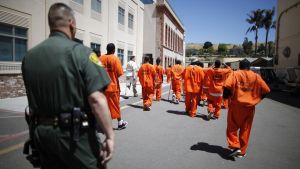
Crime and Punishment: Three Strikes and You’re Out
After the 1993 murder of a California child, many states passed laws to lock up repeat offenders for life, but those laws have raised new questions about how crime is handled in America.
11:19
1
lesson plan
The Brain, Cognition and Learning

Special Education: The 50-Year Fight for the Right to Learn
Today’s special education system was shaped five decades ago, when parents fought for disabled children’s right to learn.
07:58

Are Robots Really Taking Over?
Humans are wary that robots could replace them. So what can we learn from the legendary chess match between a supercomputer and Garry Kasparov?
09:16
1
lesson plan

Future of Fact
Online manipulation and immersive media have begun to eradicate our shared notion of authenticity and trust. How will society change when we can no longer believe what we see, hear, or think?
09:50

LSD and Cats
The early science of hallucinogens in the 1950s and ’60s was “kind of a Wild West free-for-all.” For more info on the science of spiders and drugs, visit www.drpeterwitt.com.
01:18

Machine Trains Self to Beat Humans at World’s Hardest Game
02:52
Other resources

Why Pinball Was Banned for Decades
Pinball was illegal? Really?
02:13

How Decades of Housing Discrimination Hurts Fresno in the Pandemic
Decades of discrimination in Fresno laid the groundwork for a housing crisis today.
05:47

Why Are Schools Still Segregated? The Broken Promise of Brown v. Board of Education
The history of racial integration in public schools, and what happened after the buses stopped rolling.
10:03
3
lesson plans

How ISIS Resembles the Doomsday Cults of the 1970s
Can the lessons we learned from extremist cults decades ago be used to fight ISIS recruitment today?
09:50
1
lesson plan

Loneliness Is on the Rise. Are Closer Neighbors a Solution?
Loneliness is on the rise, and it may be as harmful to health as cigarette smoking, medical experts say. Now some Americans are embracing a collaborative living arrangement called cohousing as a solution.
10:11
1
lesson plan

What History Can Teach Us About Mass Killings
A century ago, a culture rid itself of the problem of mass murder. How did that happen and what can the modern-day world learn from it?
04:08

Welfare and the Politics of Poverty
Bill Clinton’s 1996 welfare reform was supposed to move needy families off government handouts and onto a path out of poverty. Years later, how has it turned out?
13:25
1
lesson plan

She Rocked the Pentagon
After a sexual assault scandal at the Tailhook convention rocked the Navy in 1991, one female officer, Paula Coughlin, launched a campaign to change military culture.
11:57

Generations Stolen
For decades, Native children were forcibly separated from their families – today, communities are working to overcome generations of trauma.
23:21

Sexual Misconduct at Work, Again
The #MeToo movement is shedding renewed light on sexual harassment at work. The fight has a decades-long history.
12:46

Social Psychology
Citizen Nation: Finding Your Political Identity
Decades After Displacement, Linnentown Families Seek Recognition
Citizen Nation: Agree to Disagree
Citizen Nation: Symbolism in D.C.: It’s All Done With a Purpose
Citizen Nation: The Hustle
Citizen Nation: Preparing for Success
Who Gets to Regulate #*%& Free Speech in Popular Culture?
Transgender Rights, Won Over Decades, Face New Restrictions
Facing Eviction
Covid-19 Changed the Way We Watch Movies. The 1918 Pandemic Set the Stage.
Coronavirus Has a Playlist. Songs About Disease Go Way Back.
Memes, the New Political Cartoon, Are Transforming Social Commentary
Combating the Myth of the Superpredator
How Baby M Influenced Surrogacy Laws Across the United States
The Modern Bystander Effect
Being in the Bubble
Athletes vs. Injustice: Protests in Sports
‘Why Hasn’t Sexual Harassment Disappeared?’
Conspiracy Theories and Fake News from JFK to Pizzagate
How ‘Zero Tolerance’ Blurred the Lines Between Schools and Criminal Justice
Women, Work and the Modern American Family
The Outrage Machine
Remembering Kitty
Hillary Clinton and the Superpredator
Lessons from Columbine About School Shootings and Media Misinformation
Freeing Willy
The Preschool Sex Abuse Case that Changed How Molestation is Investigated
Growing up Gygax – The Son of D&D’s Creator