
Resources
Biology
See table of contents ▶
Agriculture

Future of Food
A small South Dakota farm holds lessons for feeding a crowded and less predictable world.
 07:38
07:38
 1
lesson plan
1
lesson plan

The Fly That Quarantined California and Pitted Environmentalists Against Farmers
In the summer of 1981, the Mediterranean fruit fly spread through California’s Santa Clara Valley, infesting backyard fruit trees and threatening the state’s $14 billion agricultural industry.
10:29
1
lesson plan
Climate Change

Our Appetite for Beef Is Growing. So Are Climate Worries.
Scientists warn that to slow climate change, we need to change how we farm and what we eat.
03:59
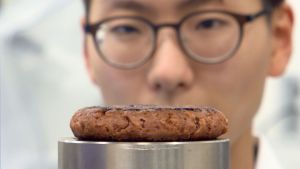
Meatless Burgers Are on Trend. Eating to Save the World Has a Long History.
Plant-based meats may be high tech, but the ideas behind them have been around for decades.
13:38
1
lesson plan
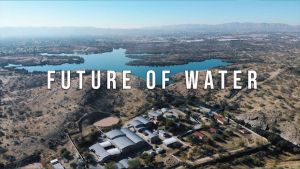
Future of Water
The increasing scarcity of drinking water is beginning to capture the world’s attention – but surprisingly, an innovative solution might just be found in one of the Earth’s driest places.
10:11
2
lesson plans
Ecosystems and Biodiversity
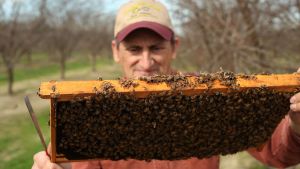
Beekeepers and Scientists Join Forces to Protect the Pollinators
Honeybees, heroes in the national food supply, are under threat from parasites, exhaustion and a mysterious ailment. Here’s how beekeepers and scientists are fighting back to save the hives.
09:42
2
lesson plans
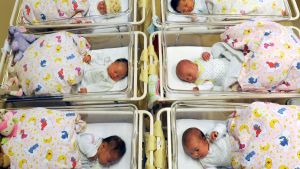
Population Bomb: The Overpopulation Theory That Fell Flat
In the 1960s, fears of overpopulation sparked talk of population control. So what happened?
09:48
1
lesson plan

This Snake Is Eating the Everglades
Burmese pythons released into the wild by well-meaning pet owners have created a reptilian nightmare in the Everglades.
10:34
1
lesson plan

Biosphere 2: A Faulty Mars Survival Test Gets a Second Act
NASA isn’t the first organization to experiment with living on Mars – in 1991 eight people sealed themselves inside a giant glass biosphere to practice space living. By the time they emerged two years later, they had “suffocated, starved and went mad.”
09:13
1
lesson plan

Isolated Tribes
Today, there are approximately 100 tribes in the Amazon rainforest that have not interacted with the modern world. A hundred years ago, there were many more. Co-produced with PBS, American Experience, we look at the delicate situation these tribes find themselves in.
03:18
Rachel Carson’s Warning on D.D.T. Ignited an Environmental Movement
Author Rachel Carson’s strike against the pesticide DDT turned her into both an environmental hero and a foil for those who believe regulation has gone too far. That fight is more relevant than ever.
12:31
1
lesson plan
Reintroducing Wolves to Yellowstone was a Success. That’s When Trouble Began.
In the 1990s, the federal government reintroduced the gray wolf to Yellowstone National Park. It was considered a big success. And that’s when the real fight began.
11:25
1
lesson plan
Freeing Willy
In the wake of the 1993 hit movie Free Willy, activists and fans campaigned to release the movie’s star – a captive killer whale named Keiko – and launched a story Hollywood couldn’t invent.
11:41
1
lesson plan
Ethics

How Baby M Influenced Surrogacy Laws Across the United States
The Baby M case raised unresolved questions about surrogacy, contracts, and parental rights.
11:46
DNA Clues Solve Crimes . . . With a Privacy Cost
DNA information that is available on genealogy websites is doing more than satisfying curiosity – it’s solving crimes.
14:08
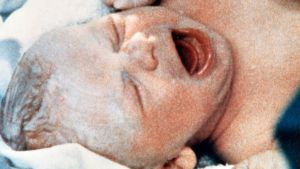
Where the Debate Over “Designer Babies” Began
Genetic technology is advancing, and critics are warning of a slippery slope. We speak with the scientists working at the forefront of the research, families who have benefited and the first-ever “test-tube” baby to understand the debate.
11:30
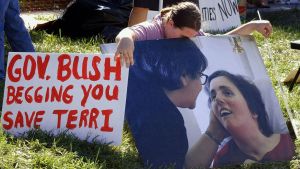
Her Vegetative State Caused Congress, President Bush and Even the Pope to Weigh In
The legal dispute over Terri Schiavo’s medical care transformed a family disagreement into a national debate, shaping how Americans discuss end-of-life decision-making and the role of the government.
12:54
1
lesson plan
Evolution and Natural Selection

Genetics and DNA

How a Sheep Named Dolly Sparked a Scientific Revolution
In 1997, Scottish scientists announced they had cloned a sheep named Dolly, and sent waves of future shock around the world that continue to shape frontiers of science today.
12:54
1
lesson plan
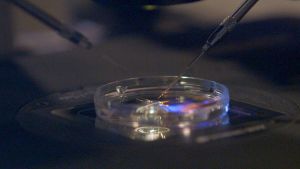
Genetic Screening: Controlling Heredity
With every new advance in prenatal genetic screening, the ability to prevent suffering has also sparked difficult questions about what should count as “a disease” versus “a difference,” and whether we’re in danger of wiping out certain segments of the population. This story was produced in collaboration with PBS, American Experience.
11:13
Selling the Code: Can Genetic Testing Services Really Predict Your Future?
Today, companies market genetic tests for everything from cancer to diet and exercise. But how much can tests like 23andme really predict?
10:57
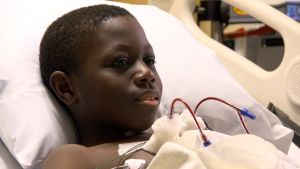
Fixing the Code: Genetically Engineering Your DNA to Cure Disease
For the past 20 years, scientists have been trying to cure disease by altering DNA. We examine how with CRISPR Cas-9 gene editing and the revival of gene therapy, they’re closer than ever.
13:09
1
lesson plan
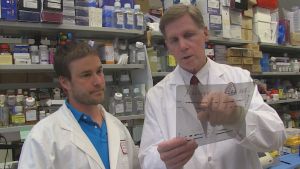
Finding the Code: The Race to Sequence the Human Genome and What It Means
One of biology’s most spectacular achievements – the race to sequence the human genome – was billed as a way to end disease. Here’s where it led.
12:11
1
lesson plan

GMO Food Fears and the First Test Tube Tomato
In the 1990s, a bunch of gene jockeys brought the first genetically engineered food to market. The business crashed but biotech science has flourished far beyond the produce aisle.
10:50
1
lesson plan
Health and Medicine
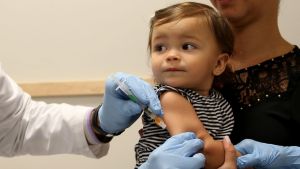
Vaccine Skepticism Is Reviving Preventable Diseases
Diseases once near eradication are re-emerging. Here’s how science and federal policy are squaring off.
12:58
1
lesson plan

The Weight of Stigma: Heavier Patients Confront a Bias
A look at how a bias on body size affects care of heavier patients, something the medical community is beginning to recognize, and do something about.
06:31

What’s in a Number? Some Research Shows That a Lower B.M.I. Isn’t Always Better.
Biased ideas about a link between body size and health have led many people to dismiss unexpected scientific findings.
10:42
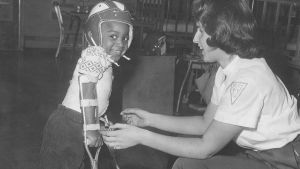
Racial Health Disparities Didn’t Start With Covid: The Overlooked History of Polio
The coronavirus pandemic has highlighted racial disparities with roots in the past.
06:00

We’re Catching More Diseases From Wild Animals, and It’s Our Fault.
Scientists who venture into rainforests and bat caves explain how viruses, like Covid-19, spill over from animals to people, and what we must do to stop the next pandemic.
10:29

Health Risks of Vaping: Lessons From the Battle With Big Tobacco
Like cigarette manufacturers decades ago, e-cigarette makers have pitched their products as fun and safe. But nobody knows what the risks are.
13:01
1
lesson plan
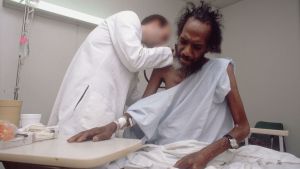
What the Bungled Response to H.I.V. Can Teach Us About Coping With Epidemics
Politics, public health and a pandemic. What we didn’t learn from H.I.V.
12:14
1
lesson plan

Coronavirus, Smoking, Vaping: Studies From the Past That Alarm Scientists
COVID-19 attacks the lungs. Past research shows that smoking and vaping may amplify the coronavirus.
06:09
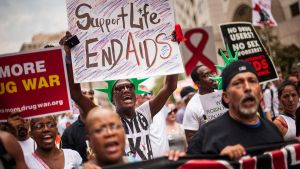
AIDS: From Ryan White to Today’s Silent Epidemic
Rates of H.I.V. infection have fallen in many places, but the AIDS crisis persists in some parts of the country. What can be learned from history – and specifically the story of Ryan White?
11:45
1
lesson plan

The Surprising Legacy of the Boy in the Bubble
Newborns today are tested for genetic and immune disorders that might not be apparent at birth. The tests evolved from the treatment of a patient with a rare diagnosis who became known as “the Boy in the Bubble.”
11:28
1
lesson plan

Lingering Peril From Lead Paint
About half a million children have dangerously high lead levels in their blood, mostly from exposure to peeling paint and contaminated dust. The fight over who should clean it up has lasted for decades.
14:30
1
lesson plan
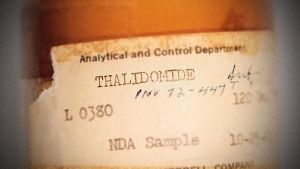
Thalidomide: From Tragedy to Treatment
How a pill that led to drug safety guidelines became a case study for rising drug prices.
11:20
2
lesson plans

Myths and Misperceptions about Eating Disorders
Thirty million people will suffer from eating disorders in their lifetime, yet decades after Karen Carpenter died from anorexia, myths about eating disorders continue.
07:19

A Change of Heart
The artificial heart became a media sensation in the 1980s as it both raised hopes and spread controversy. Today its impact on medical science is still playing out in surprising ways.
12:53

What Is a Healthy Diet? The Answers Are Unsatisfying
Thirty-five years after the first dietary guidelines, how much do we really know about the science behind a healthy diet?
12:27

The Unexpected Science of Exercise
Does exercise really make you lose weight? One scientist went to Africa and found an unexpected answer.
01:40
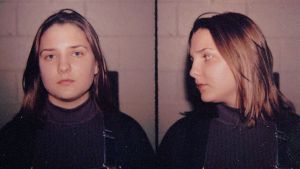
The Nanny Murder Case: Shaken Baby Syndrome on Trial
In 1997, a young British nanny charged with murder brought shaken baby syndrome into the national spotlight, and raised a scientific debate that continues to shape child abuse cases today.
12:57

Why History Urges Caution on Immunity Testing
After past outbreaks, workers with proof of antibodies were in demand. But history urges caution.
07:13
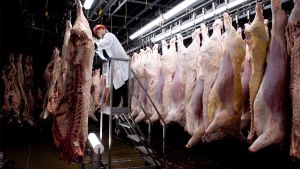
E. Coli Outbreaks Changed Food Production, But How Safe Are We?
A 1993 E. coli outbreak linked to Jack in the Box hamburgers acted as a wake up call about the dangers of food-borne illness. Decades later, how far have we really come in terms of food safety?
10:49
1
lesson plan
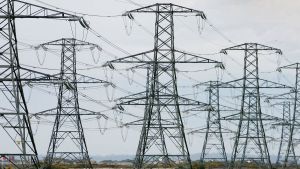
Power Line Fears
News media coverage in the 1980s and early 1990s fueled fears of a national cancer epidemic caused by power lines and generated a debate that still lingers today.
07:43
1
lesson plan

American Samoa Dodged a Pandemic in 1918. Here’s What We Learned.
Two territories, two wildly different outcomes as a pandemic terrorized the world.
06:04
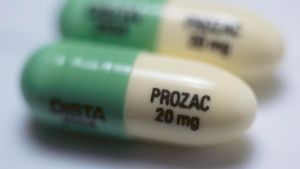
How Prozac Turned Depression Medication into a Cultural Phenomenon
When Prozac was introduced in 1988, the green-and-cream pill to treat depression launched a cultural revolution that continues to echo.
09:14
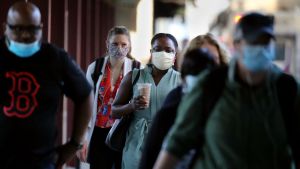
Working Sick During Covid: What We Learned from Swine Flu
‘Stay home if you’re sick’ is time-tested advice. But not all workers can afford it.
06:44

Agent Orange: Last Chapter of the Vietnam War
The use of the defoliant Agent Orange during the Vietnam War continues to cast a dark shadow over both American veterans and Vietnamese citizens.
09:59
3
lesson plans
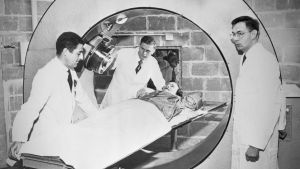
Nixon and the Long, Somewhat Successful, War on Cancer
When President Richard Nixon vowed to make curing cancer a national crusade, many anticipated quick results. But decades later, what have we really accomplished?
12:50
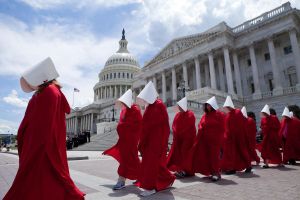
Reproductive Rights and the Women Who Sparked a Movement
As the U.S. tightens restrictions on women’s reproductive health, the new season of The Handmaid’s Tale seems more relevant than ever. We look back on a group of women who broke sexual taboos in the 1970s, and how the fight over women’s bodies continues today.
04:14

The Crack Baby Scare: From Faulty Science to Media Panic
In the 1980s, images of tiny, jittery “crack babies” caused social outcry – crack-addicted pregnant mothers were prosecuted and the media warned that a generation of “crack babies” would plague our country. Turns out… they were wrong.
10:06
Human Body Systems

Lobotomy: A Dangerous Fad’s Lingering Effects on Mental Illness Treatment
From the 1930s to the 1950s, a radical surgery – lobotomy – changed the understanding and treatment of people with mental illness.
11:27
1
lesson plan
Is the Key to Obesity All in Your Gut?
Is there a hidden cause of obesity? A professor at Stanford thinks the answer might lie with the 100 trillion microbes living in our bodies.
02:04
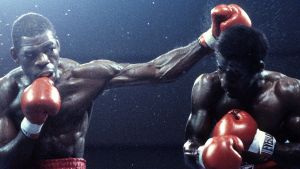
Boxers Confront Brain Injuries, Their Most Challenging Foe
For many boxers, once the punches stop, the real fight starts.
03:04
