
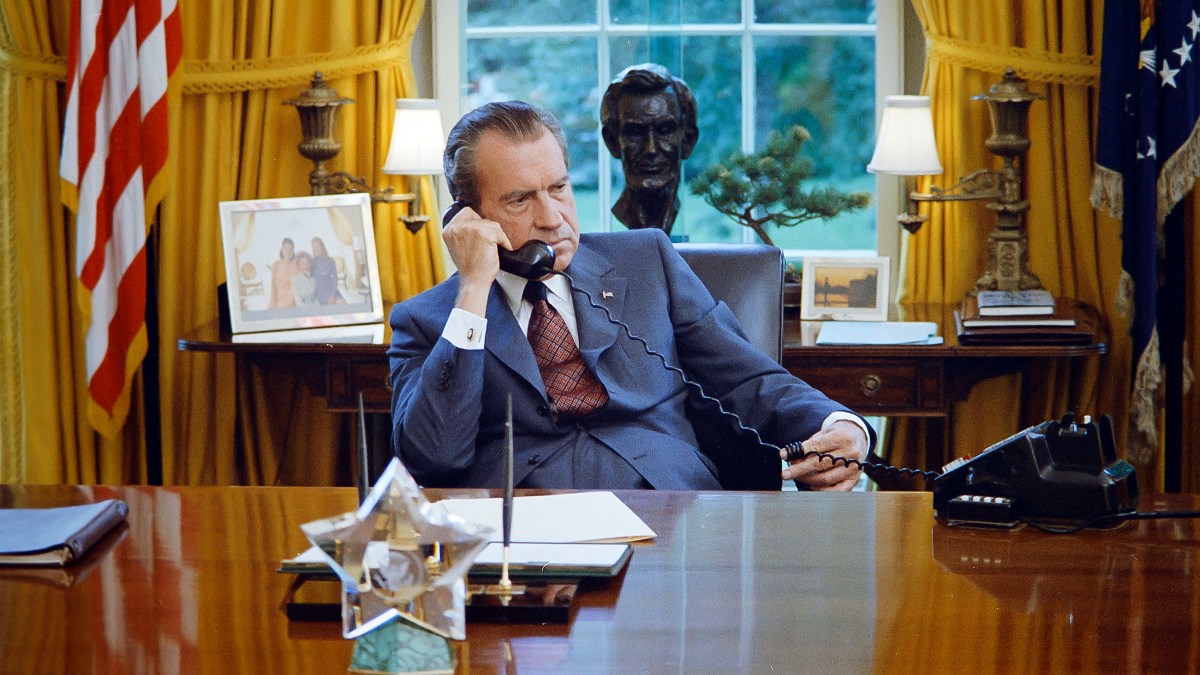

The Trump administration’s attempts to freeze or cancel billions of dollars in federal spending have reopened a constitutional debate over the power of the purse – Congress’s authority to appropriate taxpayer money. At the center is impoundment, an executive maneuver to withhold funds that Congress has appropriated. This short doc revisits the last major impoundment clash, under President Richard Nixon, which led to the passage of the Impoundment Control Act of 1974. With federal courts now weighing in and Congress divided over the current administration’s actions, legal scholars and historians explore what’s at stake when a president challenges the laws that govern federal spending.

Andrew McGill

Posted inCivics and Government
Lesson Plan: How the Supreme Court Ruling in Obergefell v. Hodges Legalized Same-Sex Marriage
When Jim Obergefell and his partner John Arthur decided to marry after more than 20 years together, they faced a formidable obstacle: their home state of Ohio refused to recognize same-sex marriages. With John terminally ill, the couple chartered a medical jet to Maryland, where their marriage would be legal. Their decision set in motion a legal challenge that reached the Supreme Court in 2015, as Obergefell v. Hodges. The court ruled 5 to 4 that the 14th Amendment’s equal protection clause requires all states to recognize the marriages of same-sex couples.
Posted inCivics and Government
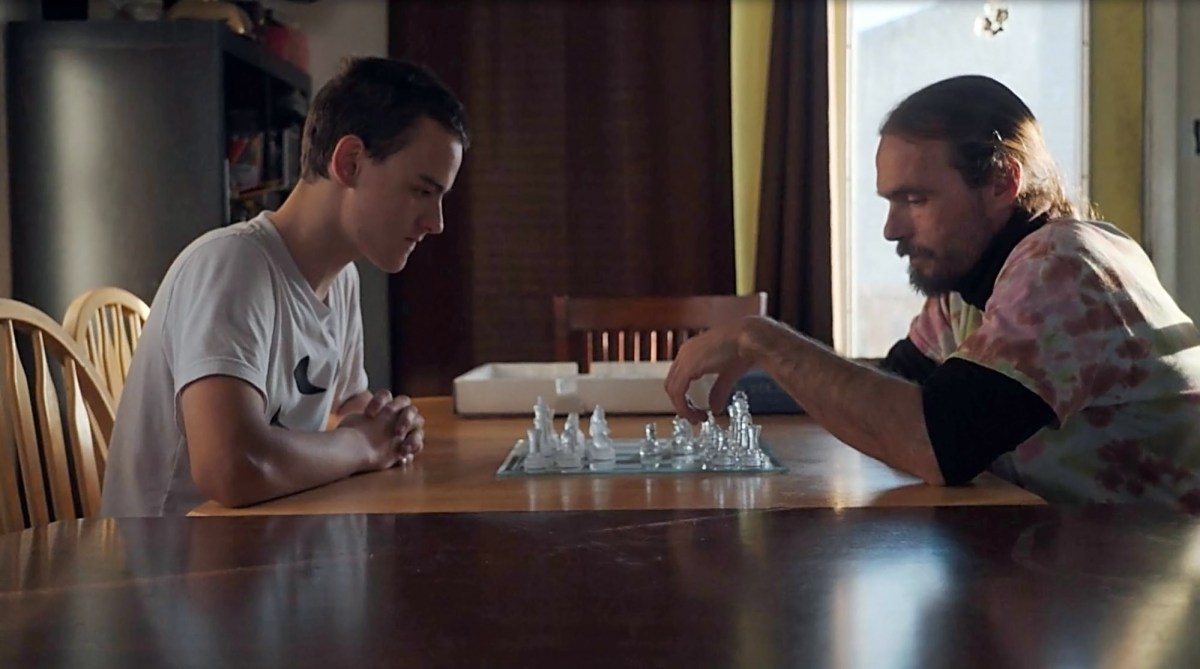
Lesson Plan: Citizen Nation: Finding Your Political Identity
Students will learn about the different factors that shape one’s personal beliefs and explore how their own beliefs have been shaped.
Posted inCivics and Government
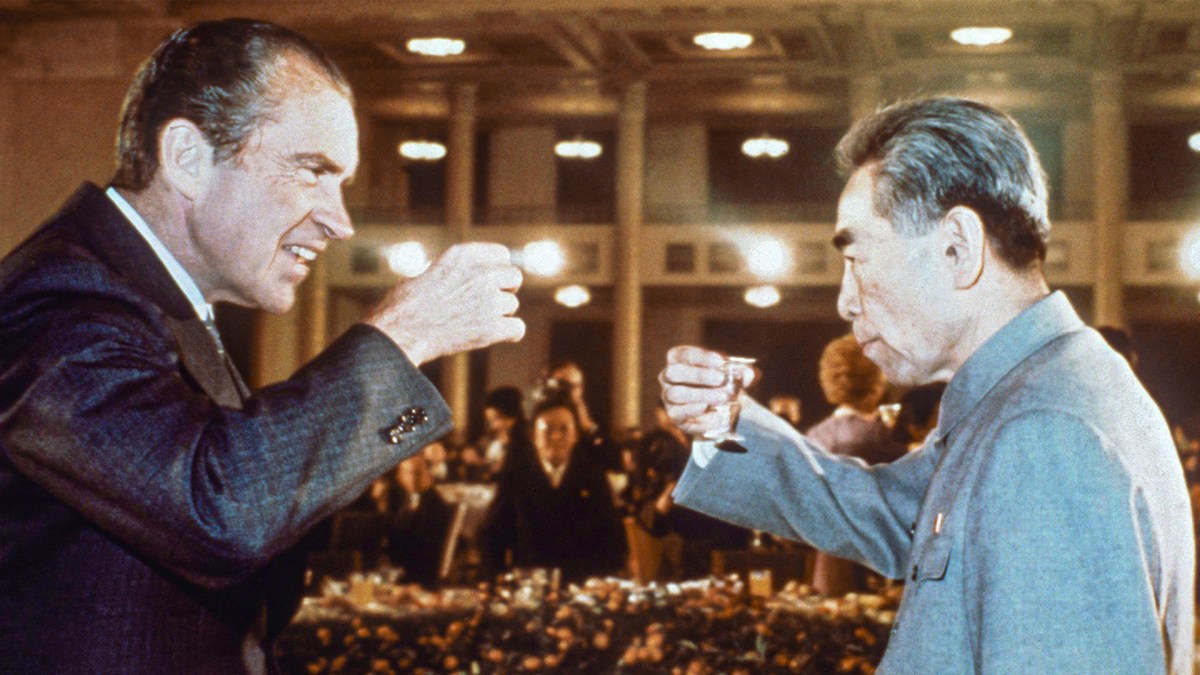
Lesson Plan: How Nixon’s 1972 China Visit Set the Stage for Today’s Tensions Over Taiwan
Students will learn about the lasting legacy of President Richard Nixon’s 1972 visit to China.
Posted inTranscript
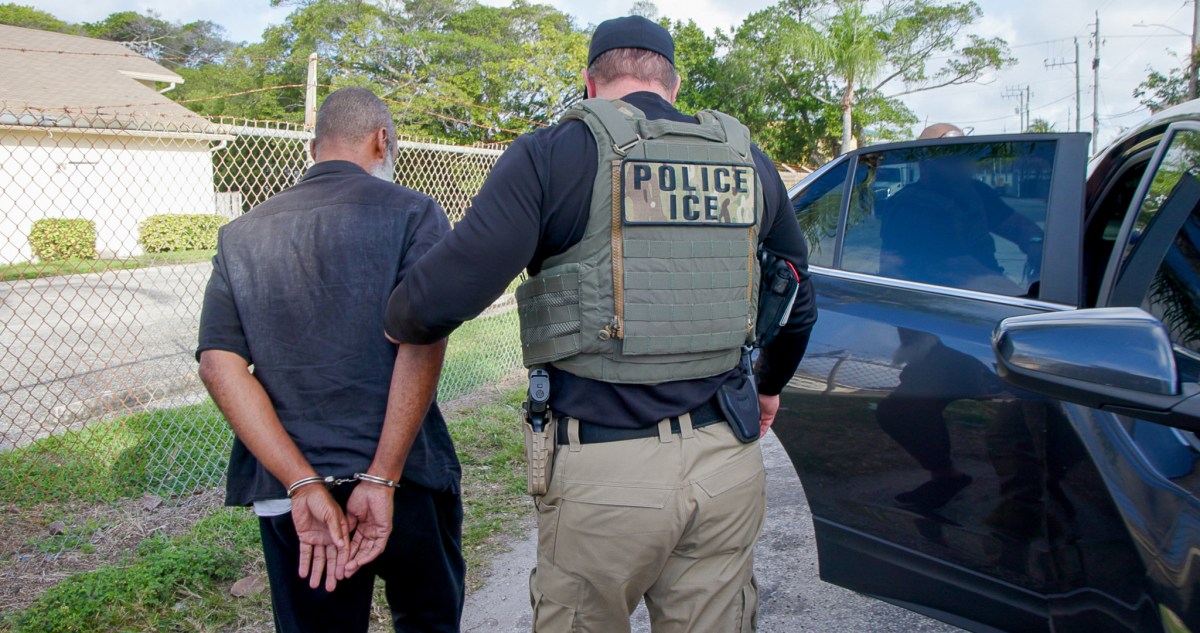
Transcript: How Today’s Debates on Immigration Were Shaped by a 1980s Church-Led Refugee Network
Click here for the full video page and educator materials. ARCHIVAL (ABC NEWS, 3-6-25):NEWS REPORT: Now to the battle over so-called sanctuary cities. NARRATION: Sanctuary cities that protect undocumented immigrants have once again become a flashpoint in the country’s debate over illegal immigration. ARCHIVAL (ABC NEWS, 3-6-25):NEWS REPORT: Clashes on Capitol Hill as sanctuary cities […]
Posted inAwards Accolades
Generations Stolen is Nominated for a Webby Award
Our film “Generations Stolen” was nominated for a Webby award in the Video: News & Politics category. This video, which explores the decades-long history of Indigenous child removal and forced adoptions that occurred in the United States, was released in partnership with WORLD Channel.

Posted inInteractive
Interactive Map: Pythons Observed in Florida
This interactive map displays sightings of Burmese pythons in the state of Florida. These pythons are an invasive species and have had a harmful effect on local wildlife. Explore the map by zooming in. Click here for the full video page and educator materials.

Posted inCollection
Political Ads That Shaped the Battle for the White House
From Lyndon Johnson’s “Daisy” to Hillary Clinton’s “It’s 3 A.M.,” we go behind the scenes of some of our most historically influential political ads with the people who made them. Daisy Perhaps the most famous political ad of all time, this early television spot ran on air just once, but generated enough media coverage to […]

Posted inCollection
How Saba Kept Singing Education Collection
Classroom resources accompanying the Emmy Award-nominated film “How Saba Kept Singing” will help students gain a deeper understanding of life at the Auschwitz Nazi concentration camp; explore the connections in music, humanity and perseverance; and examine how antisemitism has evolved through modern history. Remembering Auschwitz Remembering Auschwitz Life in the Camps Escape and Liberation David […]
Posted inTranscript
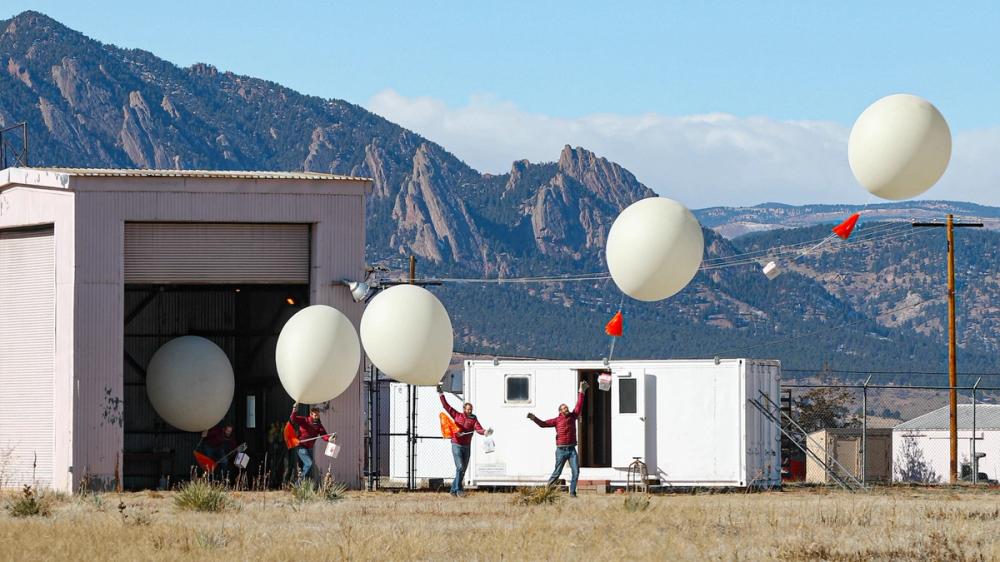
Transcript: Healing the Ozone: First Steps Toward Success
Click here for the full video page and educator materials. ARCHIVAL (1989):NEWS REPORT: The Earth’s protective ozone layer. ARCHIVAL (1986):NEWS REPORT: The hole in the ozone shield is the size of the continental United States. ARCHIVAL (ABC, 1989):NEWS REPORT: The timeframe for action has become dangerously short. DAVID DONIGER (SENIOR STRATEGIC DIRECTOR, NATURAL RESOURCES DEFENSE […]
