


Students will learn about Shirley Chisholm and evaluate the significance of her time in Congress and her 1972 presidential campaign

Andrew McGill
Posted inCivics and Government
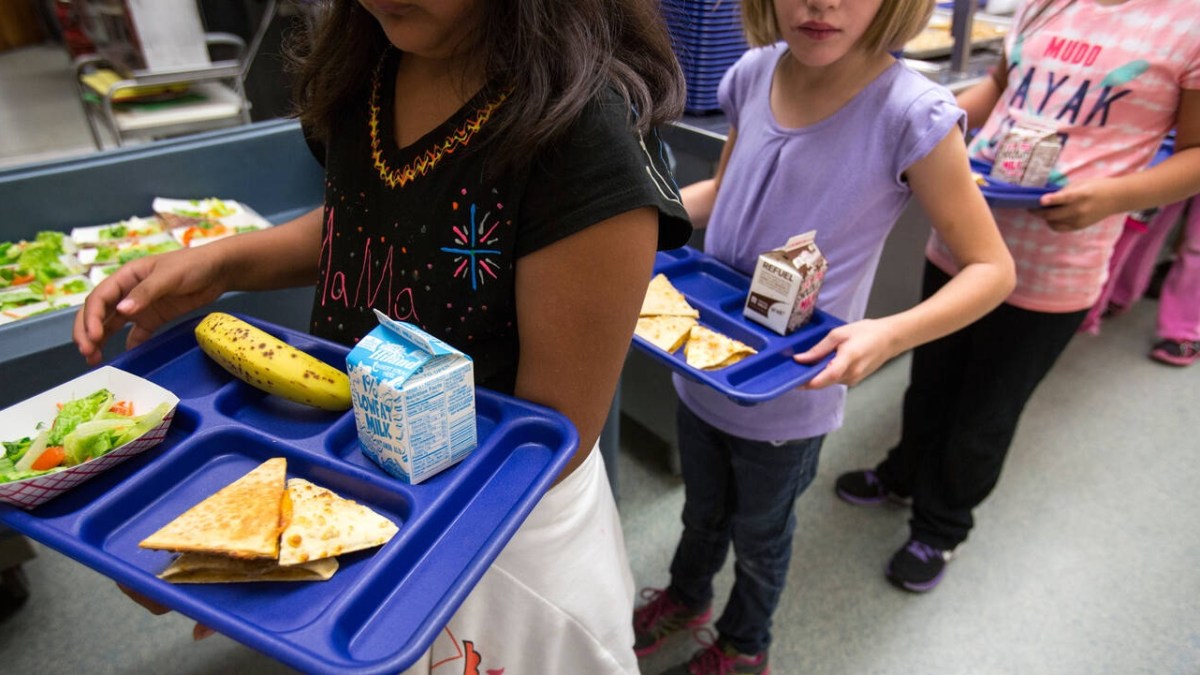
Lesson Plan: How the Federal School Lunch Program Became a Spicy Political Debate
Students will learn about the federal school lunch program and analyze how it is impacted by federalism.

Posted inU.S. History
Lesson Plan: What Japan’s Atom Bomb Survivors Have Taught Us About the Dangers of Nuclear War
On Aug. 6, 1945, the U.S. dropped the first atomic weapon on Hiroshima, Japan, instantly killing tens of thousands of people and unleashing suffering that has lasted for generations after World War II ended. Survivors, known in Japanese as hibakusha, recall how the sunny morning turned into devastation. “Flash! Boom! It was an extremely loud blast,” said Michiko Hattori, who was 16 years old at the time. Many of those who survived were left with disfiguring injuries, radiation sickness and severe social stigma. This lesson helps students analyze different perspectives and reflect on how history shapes our views on war and security today.
Posted inCivics and Government
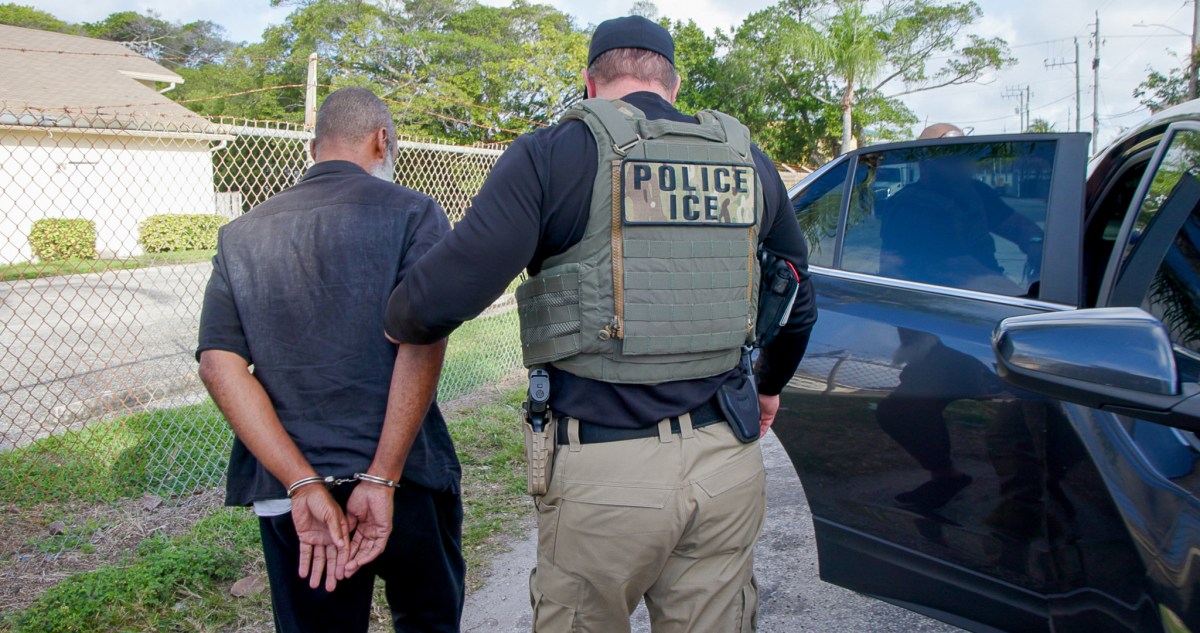
Lesson Plan: The Debate Over Sanctuary Cities
Students will learn about sanctuary cities and engage in a deliberation over whether local governments have the right to limit cooperation with federal immigration enforcement.

Posted inCivics and Government
Lesson Plan: Housing Policy and the Displacement of Linnentown
The descendants of residents of Linnentown, a once-thriving historically Black neighborhood in Athens, Ga., come together to preserve the memory of the neighborhood. Their family homes were razed in a 1960s urban renewal project. Now they, along with civic-minded neighbors, unite to try to reclaim forgotten history.

Posted inCivics and Government
Lesson Plan: What the World War II-Era Bracero Program Reveals About U.S. Immigration Debates
U.S. immigration policy has long reflected a tension between the demand for low-wage labor and the enforcement of immigration laws. That dynamic has shaped families, workplaces and communities across generations. This short doc traces that history from the mass deportations during the Great Depression to the Bracero guest worker program after World War II, and into today’s debates over unauthorized immigration.

Posted inLesson Plan
Lesson Plan: How a Sheep Named Dolly Sparked a Scientific Revolution
Students will learn about the scientific importance of Dolly the sheep, and analyze the ethical considerations surrounding scientific animal cloning.
Posted inCivics and Government
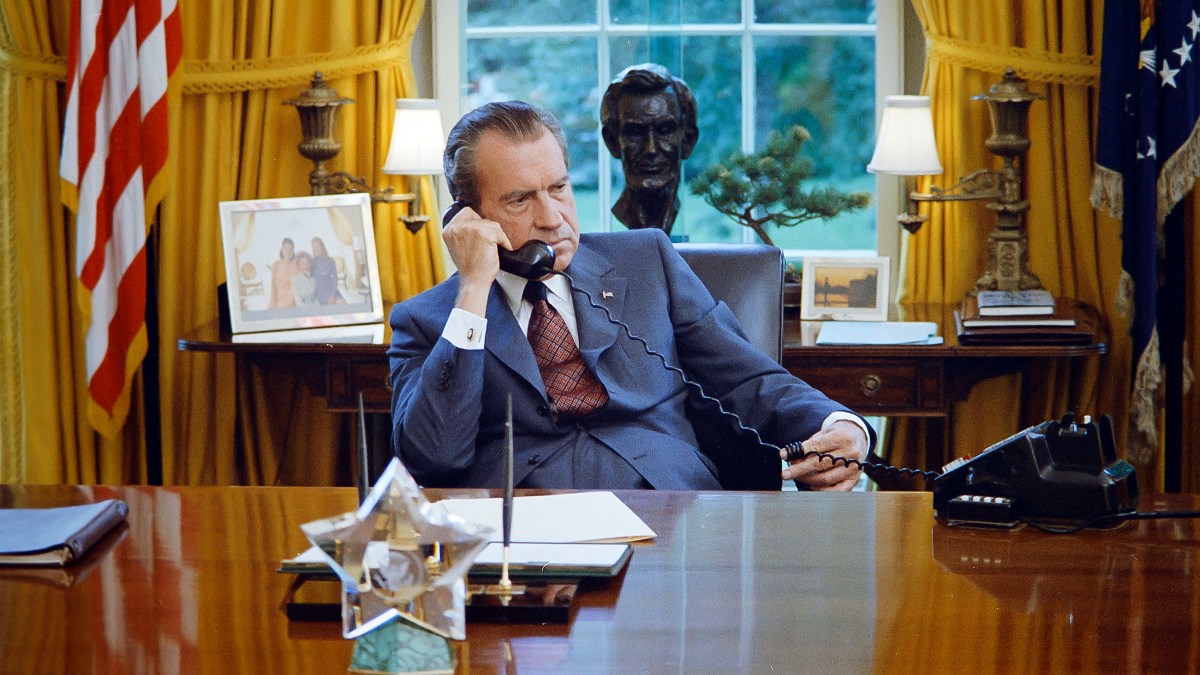
Lesson Plan: The Fight Over Federal Spending: Who Holds the Power of the Purse?
The Trump administration’s attempts to freeze or cancel billions of dollars in federal spending have reopened a constitutional debate over the power of the purse – Congress’s authority to appropriate taxpayer money. At the center is impoundment, an executive maneuver to withhold funds that Congress has appropriated. This short doc revisits the last major impoundment clash, under President Richard Nixon, which led to the passage of the Impoundment Control Act of 1974. With federal courts now weighing in and Congress divided over the current administration’s actions, legal scholars and historians explore what’s at stake when a president challenges the laws that govern federal spending.

Posted inCivics and Government
Lesson Plan: How the Supreme Court Ruling in Obergefell v. Hodges Legalized Same-Sex Marriage
When Jim Obergefell and his partner John Arthur decided to marry after more than 20 years together, they faced a formidable obstacle: their home state of Ohio refused to recognize same-sex marriages. With John terminally ill, the couple chartered a medical jet to Maryland, where their marriage would be legal. Their decision set in motion a legal challenge that reached the Supreme Court in 2015, as Obergefell v. Hodges. The court ruled 5 to 4 that the 14th Amendment’s equal protection clause requires all states to recognize the marriages of same-sex couples.

Posted inCivics and Government
Lesson Plan: Citizen Nation: Finding Your Political Identity
Students will learn about the different factors that shape one’s personal beliefs and explore how their own beliefs have been shaped.
