

Andrew McGill


Posted inCivics and Government
Lesson Plan: Civics Skills: Annotating the Articles of Confederation
After the United States gained independence from King George III and British rule, it was necessary to create a new government. How would laws, treaties and taxation be decided? Who would rule? Who would hold power? The founders drafted America’s first governing document, the Articles of Confederation, but the document’s deficiencies soon became apparent.
Posted inCivics and Government
Lesson Plan: Civics Skills: Sleuthing Socials (Fact-Checking Social Media)
The convenience and speed of social media has led to an increase in news consumption on platforms like Facebook, TikTok and X. This comes with increasing concerns about the accuracy of claims made on social media and how they influence public opinion. A Penn State study showed that the youngest generation has switched most of their attention to digital platforms that are more visually based, with 15 percent of 18- to 24-year-olds using TikTok for news. Students will learn about effective research habits that can assist in fact-checking posts on social media to ensure information is accurate prior to sharing or allowing that information to inform opinions.
Posted inCivics and Government
Lesson Plan: Civics Skills: Annotating the Declaration of Independence
Students will learn how to approach a complex topic – in this case, the history of redlining– by sharpening skills in annotation and analysis. The student in this short video breaks down the process step by step, offering tips on how to navigate tricky topics with confidence.

Posted inCivics and Government
Lesson Plan: Civics Skills: Introducing Oral Histories
Hearing from student activists like Mary Beth Tinker and Cameron Samuels helps us understand what civics in action can look like. Through the power of oral history, students will learn about how those in their community have advocated for change. In this lesson, students will brainstorm, craft questions and conduct their own oral history interviews to learn more about an aspect of U.S. History or government. Students will conclude by reflecting on the importance of oral history as a tool for historians.
Posted inCivics and Government
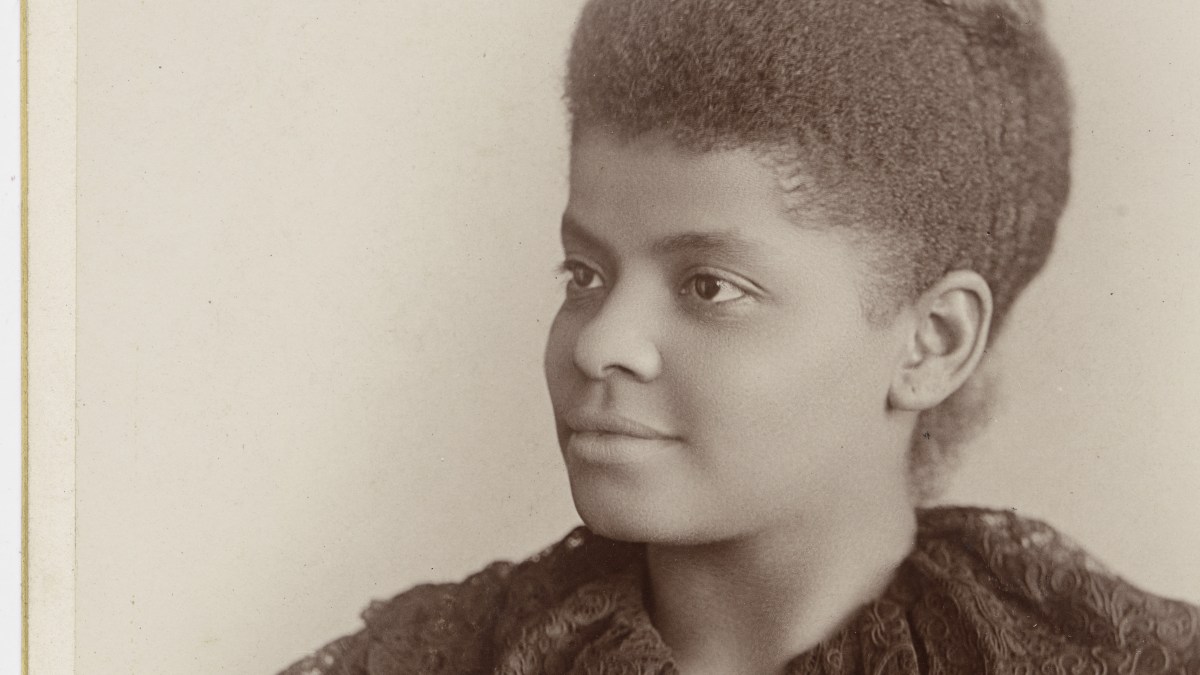
Lesson Plan: How Ida B. Wells Sparked a National Anti-Lynching Movement
Students will learn about the work Ida B. Wells did as an investigative journalist and activist, and her efforts to outlaw lynching.
Posted inCivics and Government
Lesson Plan: Religious Freedom in Schools
Students will learn about the U.S. Supreme Court landmark student rights cases that were heard in the 1960s. The court protected student speech and expressive conduct in Tinker v. Des Moines, and tackled the issue of prayer in schools. The family of Mike and Jonathan Engel challenged their school district’s practice of beginning each day with a prayer. In Engel v. Vitale, the Court ruled that voluntary state-sponsored school prayer violated the separation of church and state and the establishment clauses of the First Amendment.

Posted inU.S. History
Lesson Plan: Double V and Black Americans’ Fight for Equality
Students will learn about the learn about the Double V campaign, which advocated for dual victories: over fascism abroad, and racial injustice in the United States.
Posted inCivics and Government
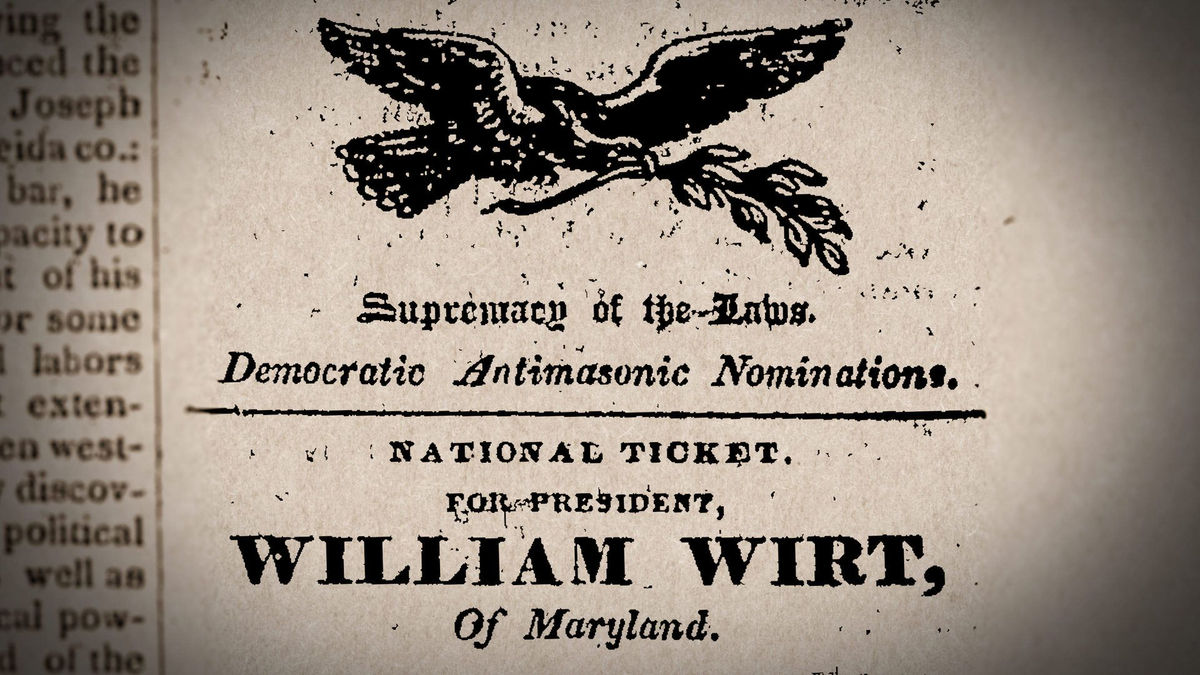
Lesson Plan: The Birth of the U.S. Political Convention in 1831
Students will learn why the populist and conspiracy-obsessed Anti-Masonic Party held America’s first political party convention, a democratizing innovation that changed forever the way Americans choose their presidents.

Posted inCivics and Government
Lesson Plan: Civics Skills: Using Qualitative and Quantitative Data
Students will learn that understanding the differences between and advantages of using qualitative and quantitative data is essential to independent research. This lesson introduces both kinds of data and provides an opportunity for students to research data that relates to a local issue.
