
Transcript
NARRATION: Google is changing the way it delivers search results for hundreds of medical conditions. From now on, it will highlight information that has been vetted by medical experts. This on the heels of a measles outbreak and misguided fears about the measles vaccine and autism. Many parents had turned to the internet for answers, and sometimes they got dubious results.
ARCHIVAL:
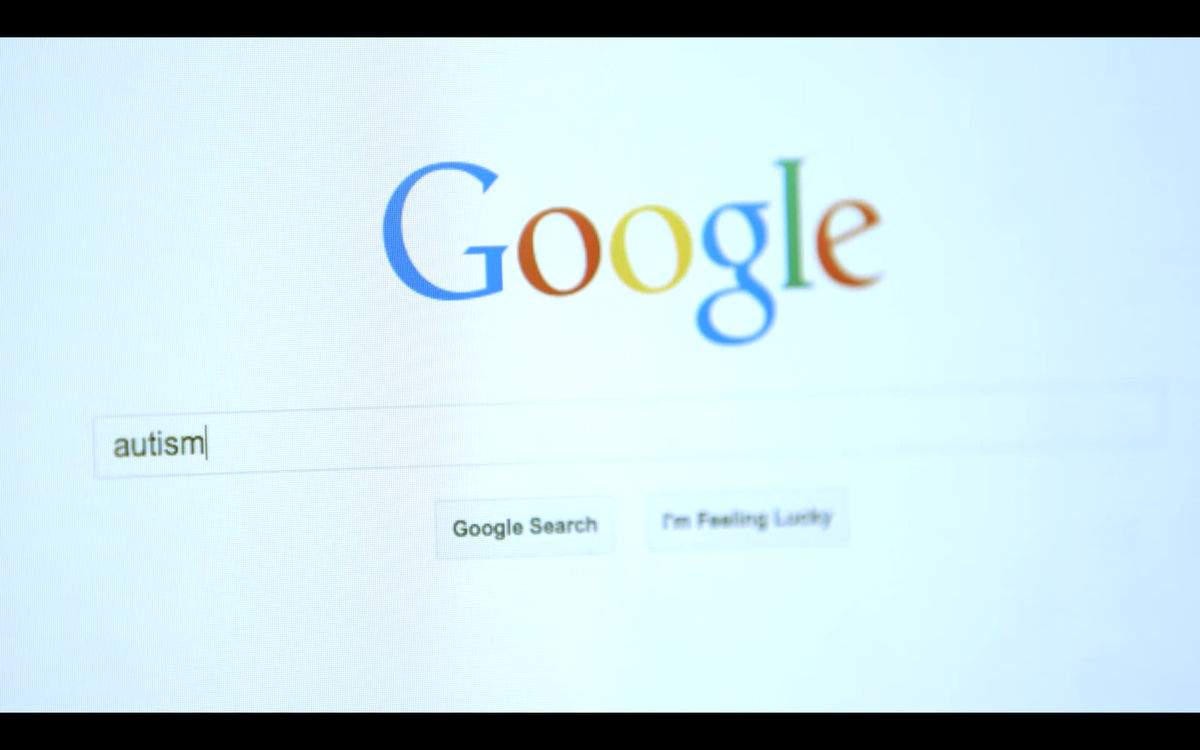
JENNY MCCARTHY: When I did get the diagnosis though, boom. First thing I did, Google. I put in ‘autism,’ and I started my…
OPRAH WINFREY: Thank god for Google.
JENNY MCCARTHY: I’m telling you!
OPRAH WINFREY: Thank god for Google!
JENNY MCCARTHY: The university of Google is where I got my degree from!
SETH MNOOKIN (AUTHOR, THE PANIC VIRUS): Google is a very powerful tool, but it’s a tool and not actually a university. You know, type in some horribly scary health event that can happen to you, and then anything else, and you will find that there is something on the internet saying that this causes that. You know, if you type in ‘headache brain tumor,’ you’re going to get a whole bunch of articles that say a headache is a sign of a brain tumor. If you type in ‘earache cancer’ or any scary thing, you will get a number of results saying that the two are connected.
TEXT ON SCREEN: So, to provide greater search accuracy, Google U.S. debuted its new approach to medical context in February 2015.
(END)
Searching for Better Answers
On the heels of a national measles scare, Google announced that it is refining its search results for hundreds of medical conditions to show only vetted resources and web sites.
This web extra shows how search engine results may have fueled misperceptions about autism.
- Producer: Bonnie Bertram
