
World War I and II


Posted inU.S. History
Lesson Plan: What Jesse Owens’s Story Tells Us About Sports and Politics – Mini Lesson

Students will discuss the impact of Jesse Owens’s achievements on the perceptions of race on the national and international stages.

Posted inLesson Plan
Lesson Plan: Holocaust Survivors Fleeing Ukraine Find a New Home in Germany
Students will examine the history of the Holocaust in Ukraine, and compare and contrast the current crisis in Ukraine.
Posted inU.S. History
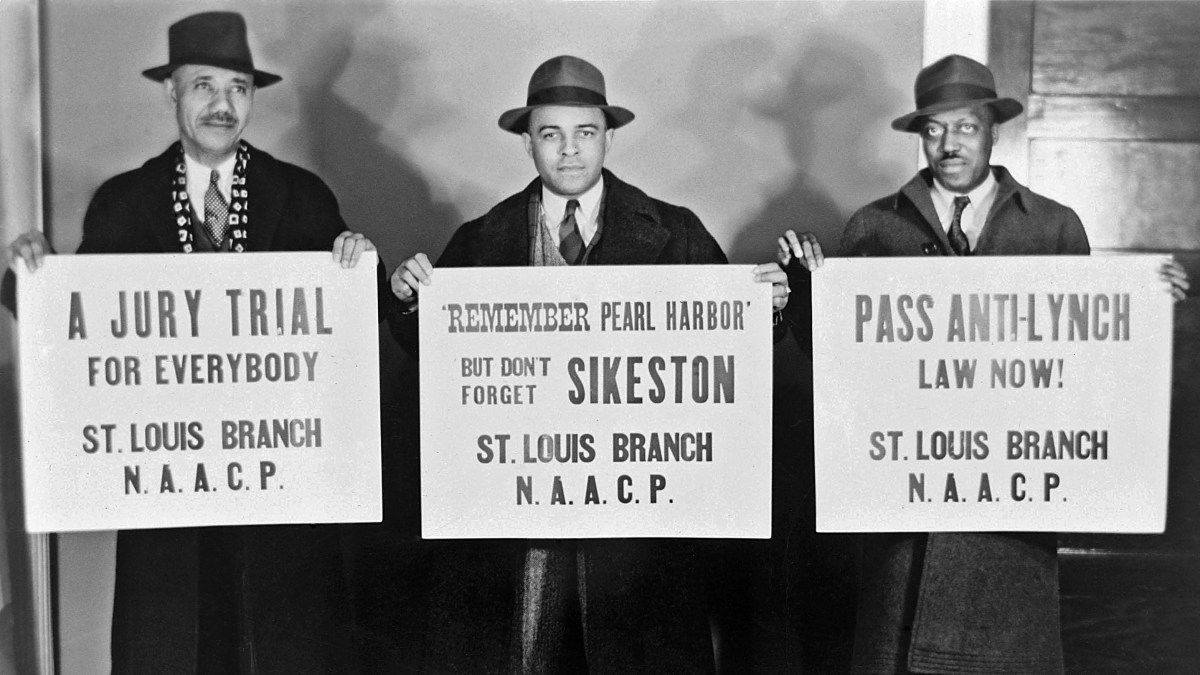
Lesson Plan: Double V and Black Americans’ Fight for Equality
Students will learn about the learn about the Double V campaign, which advocated for dual victories: over fascism abroad, and racial injustice in the United States.
Posted inU.S. History
Lesson Plan: How Racial Propaganda Was Used Against the United States in World War II
Students will learn about the lynching of Cleo Wright and examine the roles racism, discrimination and justice played in the battle over ideas and ideology during World War II
Posted inLesson Plan
Lesson Plan: Japan’s Hibakusha Voices
Students will learn about hibakusha — survivors of 1945 United States atomic bombing of Hiroshima and Nagasaki — who faced not only physical scars but emotional damage as well.
Posted inU.S. History
Lesson Plan: What Japan’s Atom Bomb Survivors Have Taught Us About the Dangers of Nuclear War
On Aug. 6, 1945, the U.S. dropped the first atomic weapon on Hiroshima, Japan, instantly killing tens of thousands of people and unleashing suffering that has lasted for generations after World War II ended. Survivors, known in Japanese as hibakusha, recall how the sunny morning turned into devastation. “Flash! Boom! It was an extremely loud blast,” said Michiko Hattori, who was 16 years old at the time. Many of those who survived were left with disfiguring injuries, radiation sickness and severe social stigma. This lesson helps students analyze different perspectives and reflect on how history shapes our views on war and security today.

