
Civil Rights and Civil Liberties



Posted inCivics and Government
Lesson Plan: Stealing J. Edgar Hoover’s Secrets
Students will analyze the significance of the break-in at the Media, Pennsylvania FBI office and the subsequent exposure of the COINTELPRO program.

Posted inCivics and Government
Lesson Plan: Forever Prison
Students will learn how Guantanamo Bay was first used to detain thousands of Haitians outside the reach of U.S. law and explore the possible reasons one might emigrate to another country.

Posted inCivics and Government
Lesson Plan: How ‘Zero Tolerance’ Blurred the Line Between School and the Justice System
Students will learn the social and political forces that led schools to adopt “zero tolerance” discipline policies in the 1980s and 1990s, and the racially unequal consequences of these policies today.

Posted inCivics and Government
Lesson Plan: The Equal Rights Amendment
Students will learn about the battle in the 1970s between feminists and a group led by the conservative activist Phyllis Schlafly over the passage of the Equal Rights Amendment, a proposed Constitutional amendment guaranteeing equal rights for women.
Posted inCivics and Government
Lesson Plan: Respectful Conversations in Schools – Patriotism
Students will learn about the Respectful Conversations in Schools (R.C.S.) strategy, a program of the Y.M.C.A.’s Center for Youth Voice, which helps students have important and sometimes difficult conversations while enhancing learning and improving classroom culture. R.C.S. is a structured, content-neutral discussion strategy that helps students reflect on and speak from their own experience, listen carefully to classmates and ask questions of genuine interest to deepen empathy and understanding.In order for a democratic republic to thrive, citizens must be able to express and exchange ideas among themselves as well as with their representatives in government. Effective teachers utilize many strategies to structure student conversations so that they are civil and productive, often requiring students to prepare ahead of time and reference text or evidence. This strategy does not require participants to prepare ahead of time, other than reviewing the outlined steps.R.C.S. includes these consistent elements:
- Small groups (4-5 students)
- Current, often divisive topic
- Discussion ground rules
- Consistent, tailored questions
- Timed discussion segments
- Time for individual and group reflection
Posted inCivics and Government
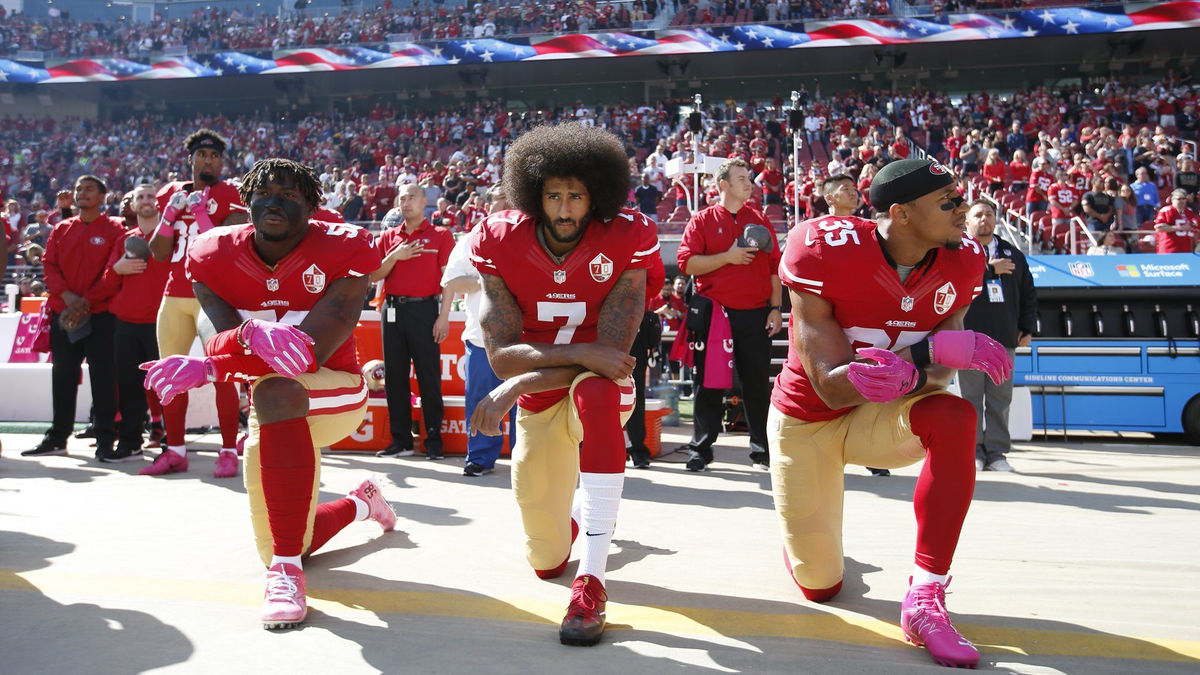
Lesson Plan: Black Activism – M.L.K., the Olympics and the N.F.L.
Students will learn about the raised fist protest of Tommie Smith and John Carlos at the 1968 Olympic Games and the 2016 activism of Colin Kaepernick, the San Francisco 49ers’ quarterback, as a way of examining nonviolent protest.

Posted inCivics and Government
Lesson Plan: The Birth of Free Agency
What determines where someone works? For most people, the answer involves choice. But for decades, professional baseball players had little say: Team owners controlled their careers, backed by a legal framework that treated baseball not as a business, but as a game. That changed when Curt Flood, a former major league center fielder, challenged the system. In taking his case all the way to the Supreme Court, Flood risked his career to fight for players’ rights. Though he lost in court, his stand laid the groundwork for free agency and reshaped the economics of professional sports.

Posted inU.S. History
Lesson Plan: AIDS: From Ryan White to Today’s Silent Epidemic
Students will learn the historical context of the AIDS crisis in the United States in the 1980s, and where it stands today.
