
World History


Posted inLesson Plan
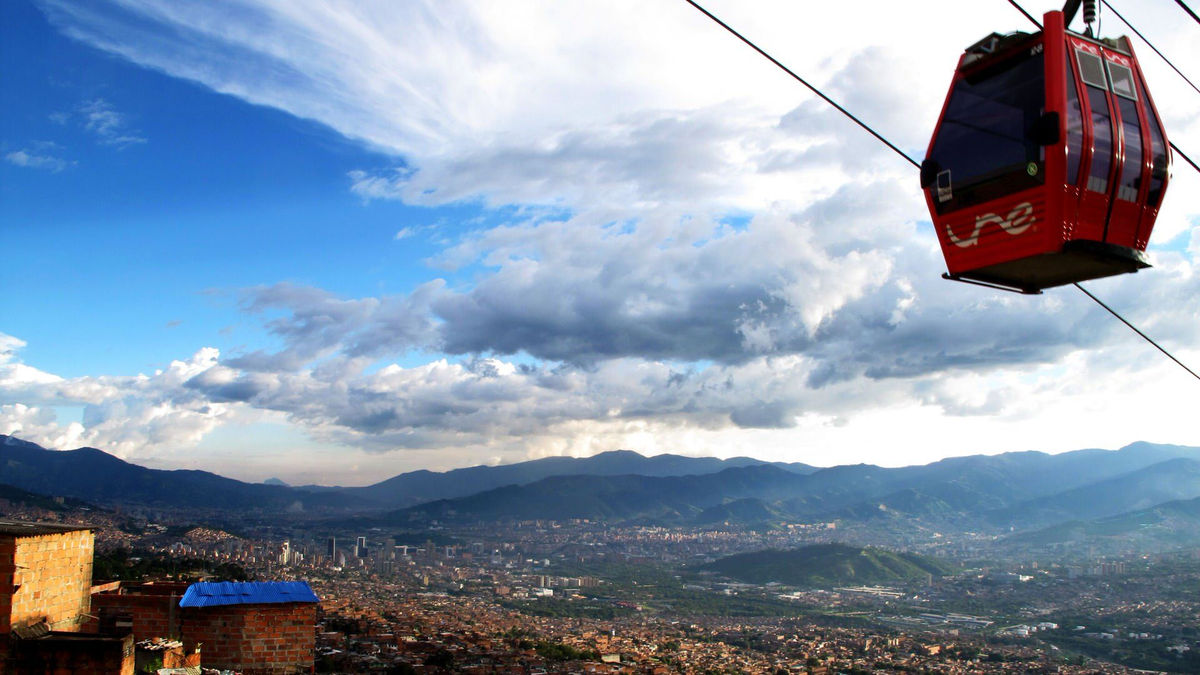
Lesson Plan: City Planning and the Future of Cities

Examine the transformation of Medellín, Colombia, as it moved from a period of high levels of violence to one where the city was recognized for its urban development efforts. Medellín offers a case study in the role of public goods – investments in services like transportation and education that can benefit everyone, including individuals who might not be able to afford them.

Posted inLesson Plan
Lesson Plan: How a Folk Singer’s Murder Forced Chile to Confront Its Past – Mini Lesson

Students will connect the events of the 1973 U.S.-backed Chilean military coup to the Cold War by focusing on the killing of folk singer and activist Victor Jara.

Posted inU.S. History
Lesson Plan: America’s Role in the Arab-Israeli War
Students will learn about the Arab-Israeli War of 1948, why the United States remained neutral and how the violation of that neutrality by a small group of Americans played a role in Israel’s victory.

Posted inU.S. History
Lesson Plan: The End of the Cold War – Nuclear Winter
Students will learn how a scientific theory of “nuclear winter” shifted the debate over nuclear weapons in the 1980s, and how that hypothesis connects to the 21st century challenge of climate change.

Posted inU.S. History
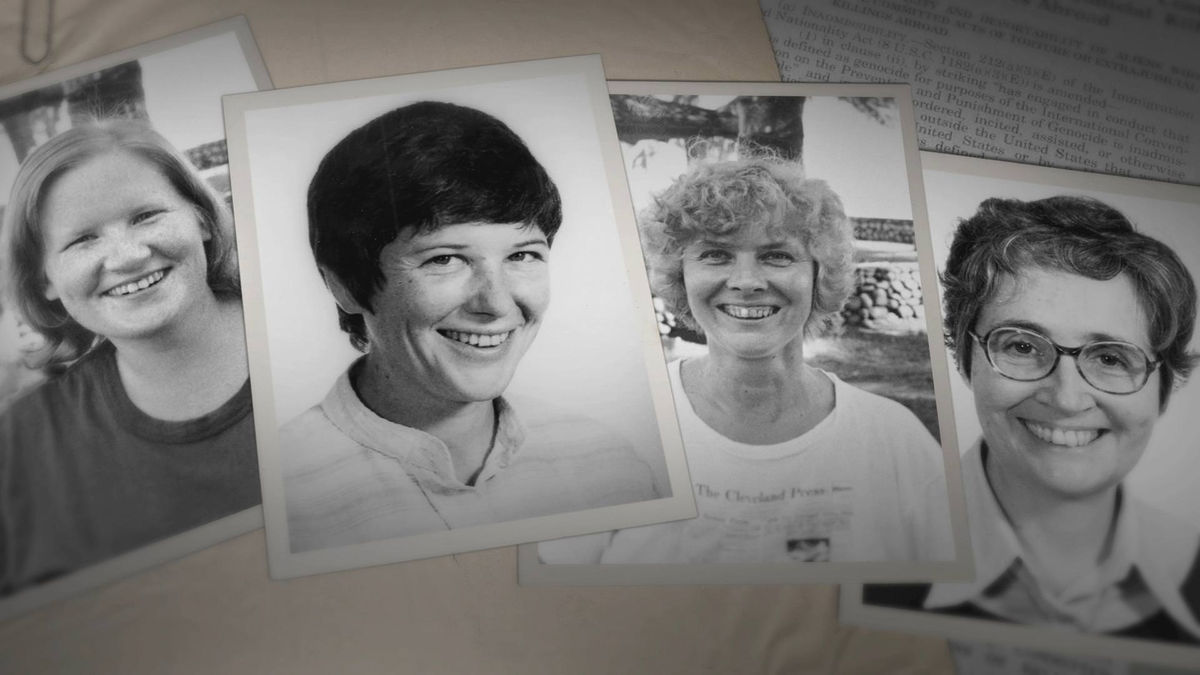
Lesson Plan: A Search for Justice
Students will learn how President Reagan’s administration, trying to stop Soviet communist influence around the world, supported authoritarian regimes, and the impact that had in El Salvador and in the U.S. then and now.

Posted inCivics and Government
Lesson Plan: The Lingering Danger of Land Mines
Students will learn about how land mines have been used around the world and why remaining weapons still pose a challenge.

Posted inLesson Plan
Lesson Plan: Future of Food
Students will explore current examples of how communities respond to agricultural changes, like organic farming, and compare them food revolutions in history.
