
Resources
AP Psychology Collection
This collection features films and lessons for the AP Psychology course. Aligned with the help of educators, many of the films may fit into more than one unit of the course.
See table of contents ▶
Unit 0: Scientific Practices

A Right to Die?
Should doctors be allowed to help suffering patients die? In 1990, with his homemade suicide machine, Dr. Jack Kevorkian raised that question. It’s an issue Americans still struggle with today.
 14:26
14:26
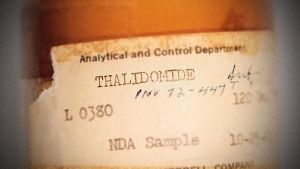
Thalidomide: From Tragedy to Treatment
How a pill that led to drug safety guidelines became a case study for rising drug prices.
11:20
 2
lesson plans
2
lesson plans

LSD and Cats
The early science of hallucinogens in the 1950s and ’60s was “kind of a Wild West free-for-all.” For more info on the science of spiders and drugs, visit www.drpeterwitt.com.
01:18
Unit 1: Biological Bases of Behavior

Health Risks of Vaping: Lessons From the Battle With Big Tobacco
Like cigarette manufacturers decades ago, e-cigarette makers have pitched their products as fun and safe. But nobody knows what the risks are.
13:01
1
lesson plan

Finding the Code: The Race to Sequence the Human Genome and What It Means
One of biology’s most spectacular achievements – the race to sequence the human genome – was billed as a way to end disease. Here’s where it led.
12:11
1
lesson plan

Fixing the Code: Genetically Engineering Your DNA to Cure Disease
For the past 20 years, scientists have been trying to cure disease by altering DNA. We examine how with CRISPR Cas-9 gene editing and the revival of gene therapy, they’re closer than ever.
13:09
1
lesson plan

Selling the Code: Can Genetic Testing Services Really Predict Your Future?
Today, companies market genetic tests for everything from cancer to diet and exercise. But how much can tests like 23andme really predict?
10:57

Genetic Screening: Controlling Heredity
With every new advance in prenatal genetic screening, the ability to prevent suffering has also sparked difficult questions about what should count as “a disease” versus “a difference,” and whether we’re in danger of wiping out certain segments of the population. This story was produced in collaboration with PBS, American Experience.
11:13

Leaving NFL Over CTE Concerns Made Chris Borland Football’s Most Dangerous Man
He’s been called the most dangerous man in football. Not for what he’s doing on the field – but what he’s saying off of it. A new series of original Retro Report short docs produced for Facebook.
01:55

Surviving Heroin
After surviving four heroin overdoses, Heather Wetzel hopes she can stay clean for her daughter.
02:24

Boxers Confront Brain Injuries, Their Most Challenging Foe
For many boxers, once the punches stop, the real fight starts.
03:04
Unit 2: Cognition

The Misunderstood McDonald’s Hot Coffee Lawsuit
Stella Liebeck was vilified when she was awarded millions after spilling McDonald’s coffee in her lap. Her complaint sounded frivolous. But the facts told another story.
10:57
1
lesson plan

Vaccine Skepticism Is Reviving Preventable Diseases
Diseases once near eradication are re-emerging. Here’s how science and federal policy are squaring off.
12:58
1
lesson plan

Raising Doubts About Evolution… in Science Class
A skepticism of science has seeped into the classroom, and it’s revived attacks on one of the most established principles of biology – evolution.
10:57
1
lesson plan

Conspiracy Theories and Fake News from JFK to Pizzagate
Retro Report explores decades of conspiracy theories – from the John F. Kennedy assassination to Pizzagate – and what they can tell us about how we view the world today.
12:33
1
lesson plan

The Preschool Sex Abuse Case that Changed How Molestation is Investigated
The nightmare began in 1983 when a 39-year-old mother called the police department in Manhattan Beach, California and accused a teacher at the McMartin Preschool, Raymond Buckey, of molesting her two and a half-year old son.
13:19
Unit 3: Development and Learning

Teaching Teens About Sex: The Decades-Old Debate over Abstinence-Only
A decades-old battle is re-emerging over abstinence-only sex education.
13:01

Women, Work and the Modern American Family
The mommy wars were billed as the nastiest fight in American parenting, and actually fueled by a decades-old blunder.
10:17
1
lesson plan

From Crack Babies to Oxytots: Lessons Not Learned
In the 1980s, many government officials, scientists, and journalists warned that the country would be plagued by a generation of “crack babies.” They were wrong. More than 25 years later, the media is sounding a similar alarm.
11:31

Online All the Time? Researchers Predicted It.
Our social media addiction is explained by theories pioneered by B.F. Skinner decades ago.
10:07
1
lesson plan

Bliss Point: How Food Companies Make Us Crave Their Products
How did food companies get us to crave their products? They discovered the “bliss point.”
02:03

Machine Trains Self to Beat Humans at World’s Hardest Game
02:52
Unit 4: Social Psychology and Personality

The Modern Bystander Effect
Why don’t people intervene when they encounter violence streaming live online?
10:43
1
lesson plan

The Outrage Machine
In the digital age, where everyday people can suddenly become public enemy number one, how do we strike the balance between keeping free speech alive online and preventing a cyber mob from taking over?
12:30

Lessons From the Challenger Tragedy
Normalization of deviance, the process of becoming inured to risky actions, is a useful concept that was developed to explain how the Challenger disaster happened.
18:04
2
lesson plans

Shamed by Sex, Survivors of the Purity Movement Confront the Past
A “purity” movement in the 90s led by evangelical Christians promoted a strict view of abstinence before marriage. Today, followers are grappling with unforeseen aftershocks.
11:45

She Derailed the Fight for Equal Rights for Women
Even in the #MeToo era, many people don’t know that the Equal Rights Amendment never passed…because of one woman. Her name is Phyllis Schlafly.
13:09
2
lesson plans

Athletes vs. Injustice: Protests in Sports
When N.F.L. players, starting with Colin Kaepernick, took a knee during the National Anthem to protest they ignited an uproar over injecting politics onto the playing field.
11:14
3
lesson plans

Us vs. Them: From George Wallace to Donald Trump
Donald Trump has used populist politics to appeal to voters who are fed up with the status quo. We look at another politician who tapped into America’s divisions decades ago: George Wallace.
07:48
1
lesson plan

How ‘Zero Tolerance’ Blurred the Lines Between Schools and Criminal Justice
Over the last 30 years, schools across the country have enacted tough new discipline policies. Some of those schools say they went too far.
11:39
1
lesson plan

Activating a Generation: From Live Aid to the Ice Bucket Challenge
Thirty years after “Live Aid” changed the face of charity fundraising, clicktivism has taken center stage. If you share, re-tweet and like, are you making the world a better place?
10:38

Remembering Kitty
More than 50 years after Kitty Genovese’s murder became a symbol of urban apathy, her partner, Mary Ann Zielonko remembers Kitty’s life and impact.
02:57

Black Swimmers Overcome Racism and Fear, Reclaiming a Tradition
Today, drowning rates are disproportionately high among Black children. What’s being done?
07:14

When Politicians Blame Bad Behavior on Pop Culture
Every so often, Congress holds a hearing on the perils of pop culture. The “peril” has evolved from comic books, to rock and hip hop music, to violence in video games, but the proceedings follow a script.
02:24

Xenophobia in the Age of COVID-19
Scapegoating immigrant groups in times of disease outbreak has a long history.
01:42
Unit 5: Mental and Physical Health

Attacks in New York City Renew Questions About Forced Mental Health Treatment
New York City’s renewed efforts to tackle homelessness and untreated mental illness is raising complex questions about civil liberties, public safety and effective care.
12:57
1
lesson plan

Loneliness Is on the Rise. Are Closer Neighbors a Solution?
Loneliness is on the rise, and it may be as harmful to health as cigarette smoking, medical experts say. Now some Americans are embracing a collaborative living arrangement called cohousing as a solution.
10:11
1
lesson plan

LSD Gets Another Look
LSD has long been associated with 1960s counterculture. Today, psychedelic drugs are back in the lab, providing hope for people who suffer from anxiety, depression and addiction.
11:24
1
lesson plan

Lobotomy: A Dangerous Fad’s Lingering Effects on Mental Illness Treatment
From the 1930s to the 1950s, a radical surgery – lobotomy – changed the understanding and treatment of people with mental illness.
11:27
1
lesson plan

The Surprising Legacy of the Boy in the Bubble
Newborns today are tested for genetic and immune disorders that might not be apparent at birth. The tests evolved from the treatment of a patient with a rare diagnosis who became known as “the Boy in the Bubble.”
11:28
1
lesson plan

How the Story of ‘Sybil’ Influenced Views of Mental Illness
A hit 1970s movie shaped public opinion and popularized a rare diagnosis.
12:39
1
lesson plan

Myths and Misperceptions about Eating Disorders
Thirty million people will suffer from eating disorders in their lifetime, yet decades after Karen Carpenter died from anorexia, myths about eating disorders continue.
07:19

Anorexia and Suicide: A Mother’s Fight for Change
Kitty Westin shares the story of her daughter, Anna, who killed herself after struggling with anorexia for years.
04:28

How Prozac Turned Depression Medication into a Cultural Phenomenon
When Prozac was introduced in 1988, the green-and-cream pill to treat depression launched a cultural revolution that continues to echo.
09:14

The Weight of Stigma: Heavier Patients Confront a Bias
A look at how a bias on body size affects care of heavier patients, something the medical community is beginning to recognize, and do something about.
06:31

The Domestic Violence Case That Turned Outrage Into Action
The “Burning Bed” killing put domestic violence in the headlines.
18:47

Could a Simple Intervention Fight a Suicide Crisis?
A simple intervention to reduce suicide deaths – written messages of compassion and empathy – showed promise in the 1960s, but has been overlooked until now.
09:07
1
lesson plan
