
Resources
AP Environmental Science Collection
This collection features videos and lessons that will help students make connections between Environmental Science concepts and the complex factors that accompany creating policies and responding to environmental concerns.
See table of contents ▶
Unit 1: The Living World: Ecosystems
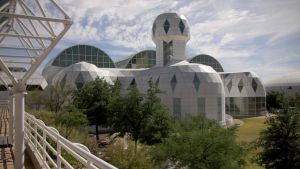
This unit explores the Earth as a system with interdependent components, processes, and relationships.
Unit 3: Populations
Populations change due to a variety of factors. These resources examine what happens when human and ecological factors collide.

Population Bomb: The Overpopulation Theory That Fell Flat
In the 1960s, fears of overpopulation sparked talk of population control. So what happened?
 09:48
09:48
 1
lesson plan
1
lesson plan
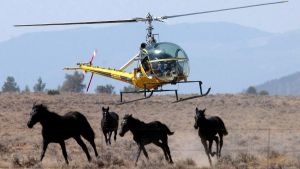
Horses: Wild, But Not Free
There are now so many wild horses on public land – nearly 100,000 – that they have become caught in a battle between the government, ranchers and environmentalists.
08:40
1
lesson plan
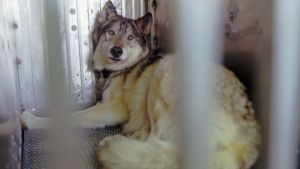
Reintroducing Wolves to Yellowstone was a Success. That’s When Trouble Began.
In the 1990s, the federal government reintroduced the gray wolf to Yellowstone National Park. It was considered a big success. And that’s when the real fight began.
11:25
1
lesson plan
Unit 5: Land and Water Use
This unit focuses on positive and negative ecosystem disruption and how human-environment interaction plays a role. The accompanying resources take these concepts further by examining how those disruptions impact the food we eat and water we drink.
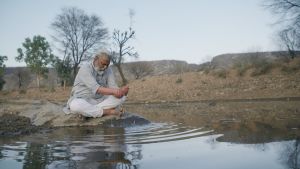
Fighting Drought With an Ancient Practice: Harvesting the Rain
Ancient methods of collecting and storing rainwater are being used to address severe drought today.
11:12
3
lesson plans
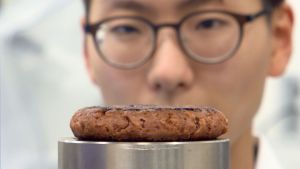
Meatless Burgers Are on Trend. Eating to Save the World Has a Long History.
Plant-based meats may be high tech, but the ideas behind them have been around for decades.
13:38
1
lesson plan
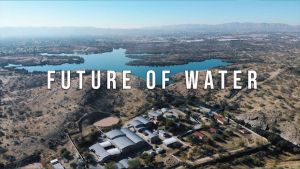
Future of Water
The increasing scarcity of drinking water is beginning to capture the world’s attention – but surprisingly, an innovative solution might just be found in one of the Earth’s driest places.
10:11
2
lesson plans
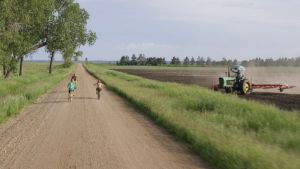
Future of Food
A small South Dakota farm holds lessons for feeding a crowded and less predictable world.
07:38
1
lesson plan

The Fly That Quarantined California and Pitted Environmentalists Against Farmers
In the summer of 1981, the Mediterranean fruit fly spread through California’s Santa Clara Valley, infesting backyard fruit trees and threatening the state’s $14 billion agricultural industry.
10:29
1
lesson plan

Our Appetite for Beef Is Growing. So Are Climate Worries.
Scientists warn that to slow climate change, we need to change how we farm and what we eat.
03:59
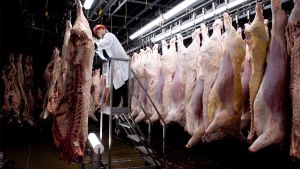
E. Coli Outbreaks Changed Food Production, But How Safe Are We?
A 1993 E. coli outbreak linked to Jack in the Box hamburgers acted as a wake up call about the dangers of food-borne illness. Decades later, how far have we really come in terms of food safety?
10:49
1
lesson plan
Unit 6: Energy Resources & Consumption
The resources aligned with this unit will help students explain environmental challenges related to nuclear power and fossil fuels.
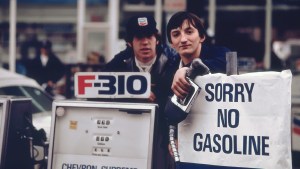
The Price of Oil: Lessons From a 1970s Energy Crisis
When oil shortages disrupted daily life in the 1970s, Americans were forced to rethink consumption, and the crisis set in motion decisions that continue to shape energy policy today.
10:27
2
lesson plans
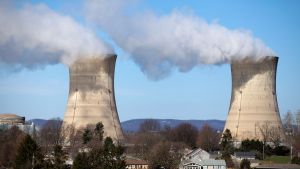
Nuclear Meltdowns Raised Fears, but Growing Energy Needs May Outweigh Them
Catastrophic accidents at power plants like Three Mile Island and Fukushima Daiichi have heightened fears about the safety of nuclear energy, but environmentalists and others are giving it renewed attention as a way to fight global warming.
11:16
1
lesson plan
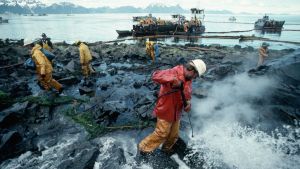
Unprepared: Lessons From Two Massive Oil Spills
A disastrous oil spill off the coast of Alaska and massive explosion of a rig in the Gulf of Mexico revealed a pattern of unsettled standards and inconsistent oversight that cast doubt on the oil industry’s preparedness for future accidents.
11:38
1
lesson plan
Unit 8: Aquatic & Terrestrial Pollution
Human activity has direct consequences for our land, water and air. The resource for this unit examine both the causes of and mitigation efforts for a variety of pollutants.

A Barge Full of Garbage Helped to Fuel a Recycling Movement
In the 1980s, rising public awareness about waste was fueled by a bizarre news story about a meandering New York City garbage barge.
10:56
1
lesson plan
Rachel Carson’s Warning on D.D.T. Ignited an Environmental Movement
Author Rachel Carson’s strike against the pesticide DDT turned her into both an environmental hero and a foil for those who believe regulation has gone too far. That fight is more relevant than ever.
12:31
1
lesson plan
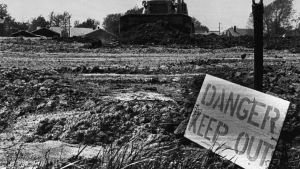
Toxic Waste in the Neighborhood: The Love Canal Disaster
In 1978, toxic chemicals leaking from an old landfill thrust an upstate New York community called “Love Canal” into the national headlines, and made it synonymous with “environmental disaster.”
11:01
1
lesson plan

Lingering Peril From Lead Paint
About half a million children have dangerously high lead levels in their blood, mostly from exposure to peeling paint and contaminated dust. The fight over who should clean it up has lasted for decades.
14:30
1
lesson plan
Unit 9: Global Change
This unit tackles some of the key environmental challenges that face the planet, and the aligned resources will help students move from identifying problems to examining mitigation strategies and climate solutions.
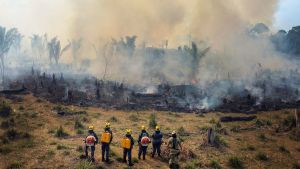
Amazon Rainforest Defenders Confront Violence, Encroachment and Politics
Debates over development in the world’s largest rainforest have led to deadly conflicts, threats to its indigenous people and harm to the global atmosphere.
08:28
2
lesson plans
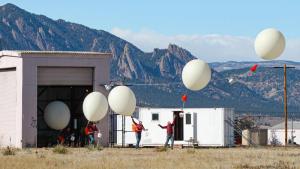
Healing the Ozone: First Steps Toward Success
A worldwide effort to heal damage to the ozone layer is showing early progress.
12:33
3
lesson plans
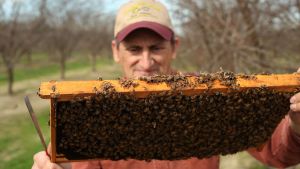
Beekeepers and Scientists Join Forces to Protect the Pollinators
Honeybees, heroes in the national food supply, are under threat from parasites, exhaustion and a mysterious ailment. Here’s how beekeepers and scientists are fighting back to save the hives.
09:42
2
lesson plans
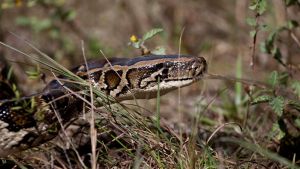
This Snake Is Eating the Everglades
Burmese pythons released into the wild by well-meaning pet owners have created a reptilian nightmare in the Everglades.
10:34
1
lesson plan
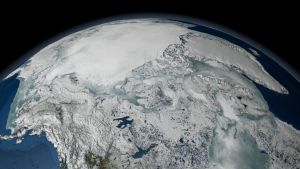
Could We Geo-engineer Ourselves Out of Climate Change?
Is geo-engineering the climate an answer to global warming? Cold War science has some lessons.
10:35
1
lesson plan
