


Students will learn how Burmese pythons have been multiplying unchecked in the wilds of Florida and what is being done to stop them from devastating the native wildlife populations.

Andrew McGill

Posted inCivics and Government
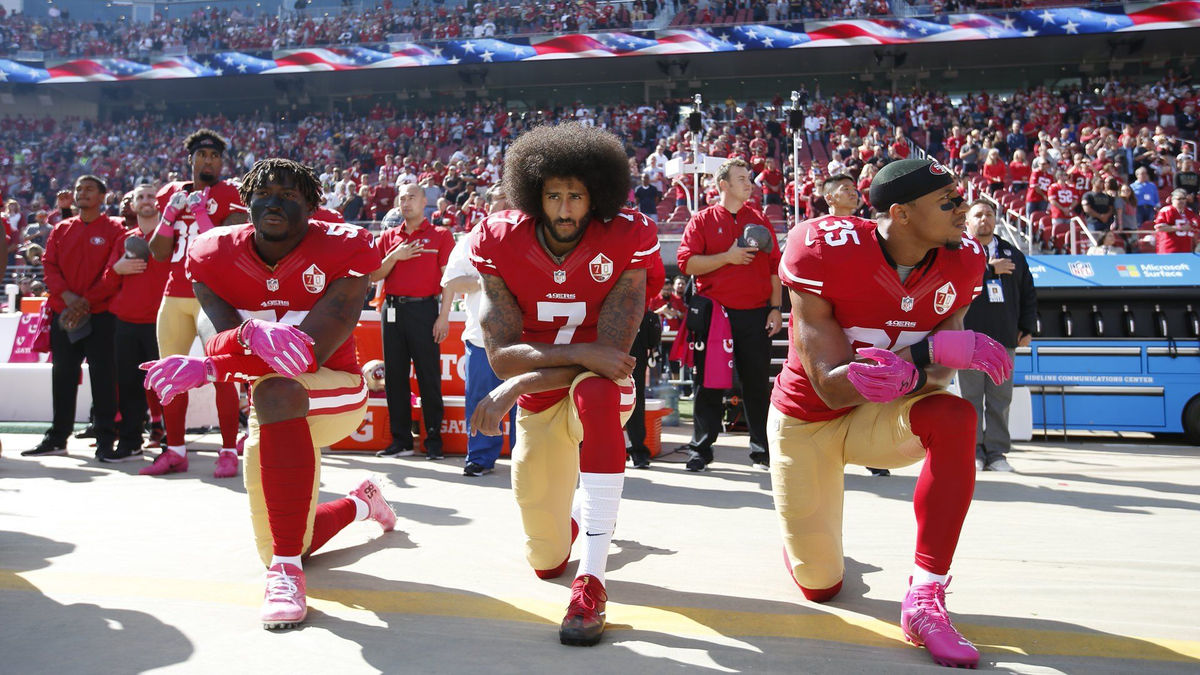
Lesson Plan: Why We Can’t Have a Civil Conversation About Guns
Students will learn about the attempted assassination of Ronald Reagan and how decades later, lawmakers and the American public continue a debate over gun control.
Posted inCivics and Government
Lesson Plan: Respectful Conversations in Schools – Patriotism
Students will learn about the Respectful Conversations in Schools (R.C.S.) strategy, a program of the Y.M.C.A.’s Center for Youth Voice, which helps students have important and sometimes difficult conversations while enhancing learning and improving classroom culture. R.C.S. is a structured, content-neutral discussion strategy that helps students reflect on and speak from their own experience, listen carefully to classmates and ask questions of genuine interest to deepen empathy and understanding.In order for a democratic republic to thrive, citizens must be able to express and exchange ideas among themselves as well as with their representatives in government. Effective teachers utilize many strategies to structure student conversations so that they are civil and productive, often requiring students to prepare ahead of time and reference text or evidence. This strategy does not require participants to prepare ahead of time, other than reviewing the outlined steps.R.C.S. includes these consistent elements:
- Small groups (4-5 students)
- Current, often divisive topic
- Discussion ground rules
- Consistent, tailored questions
- Timed discussion segments
- Time for individual and group reflection

Posted inCivics and Government
Lesson Plan: The Equal Rights Amendment
Students will learn about the battle in the 1970s between feminists and a group led by the conservative activist Phyllis Schlafly over the passage of the Equal Rights Amendment, a proposed Constitutional amendment guaranteeing equal rights for women.

Posted inU.S. History
Lesson Plan: The Yellowstone Fires of 1988
Students will learn how the Yellowstone fires of 1988 created a national controversy that challenged long-held assumptions about the role that fires should play in forestry policy.

Posted inCivics and Government
Lesson Plan: A Trusted Pill Turned Deadly. Here’s How Tylenol Made a Comeback.
Students will learn how Tylenol responded when a mysterious killer spiked Tylenol capsules with cyanide and explore other crisis management strategies.
Posted inLaw and Public Policy
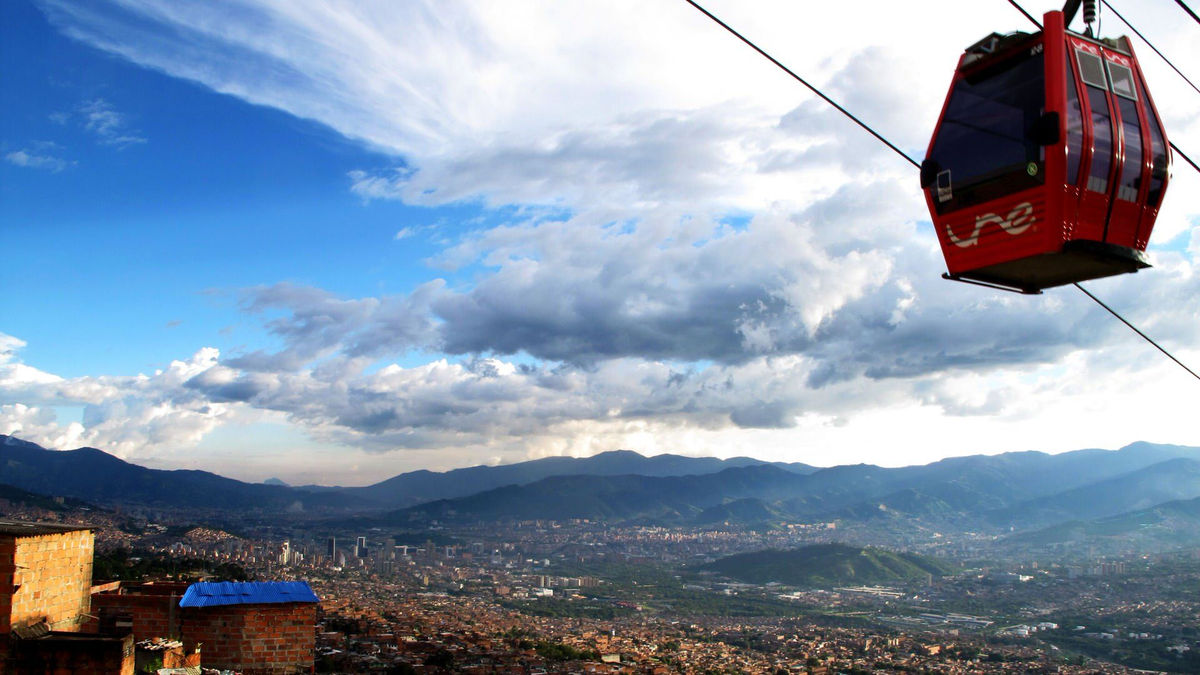
Lesson Plan: Who Pays for Progress? Public Goods and the Future of Cities
Examine the transformation of Medellín, Colombia, as it moved from a period of high levels of violence to one where the city was recognized for its urban development efforts. Medellín offers a case study in the role of public goods – investments in services like transportation and education that can benefit everyone, including individuals who might not be able to afford them.

Posted inCivics and Government
Lesson Plan: For Private Prisons, Detaining Immigrants Is Big Business
An inmate population surge in the 1980s led to the rise of for-profit prisons. This Retro Report short doc examines how private companies have expanded into immigrant detention, raising concerns about whether profit motives contribute to poor conditions and lack of oversight. The film offers a real-world example of how market failures, externalities and government contracts can shape outcomes in systems meant to serve the public interest.

Posted inLesson Plan
Lesson Plan: Testing the Future of Water
Students will learn how the country of Namibia has tapped an unlikely source of water to combat shortages, and experiment with water filtration materials and strategies.

Posted inU.S. History
Lesson Plan: Hexagonal Thinking – Latin America and the Cold War
Students will connect terms, ideas and images as a means for presenting Cold War tensions in Latin America visually. The activity is designed for students to complete in small groups and can be used as a review or as a final assessment.
