Transcript
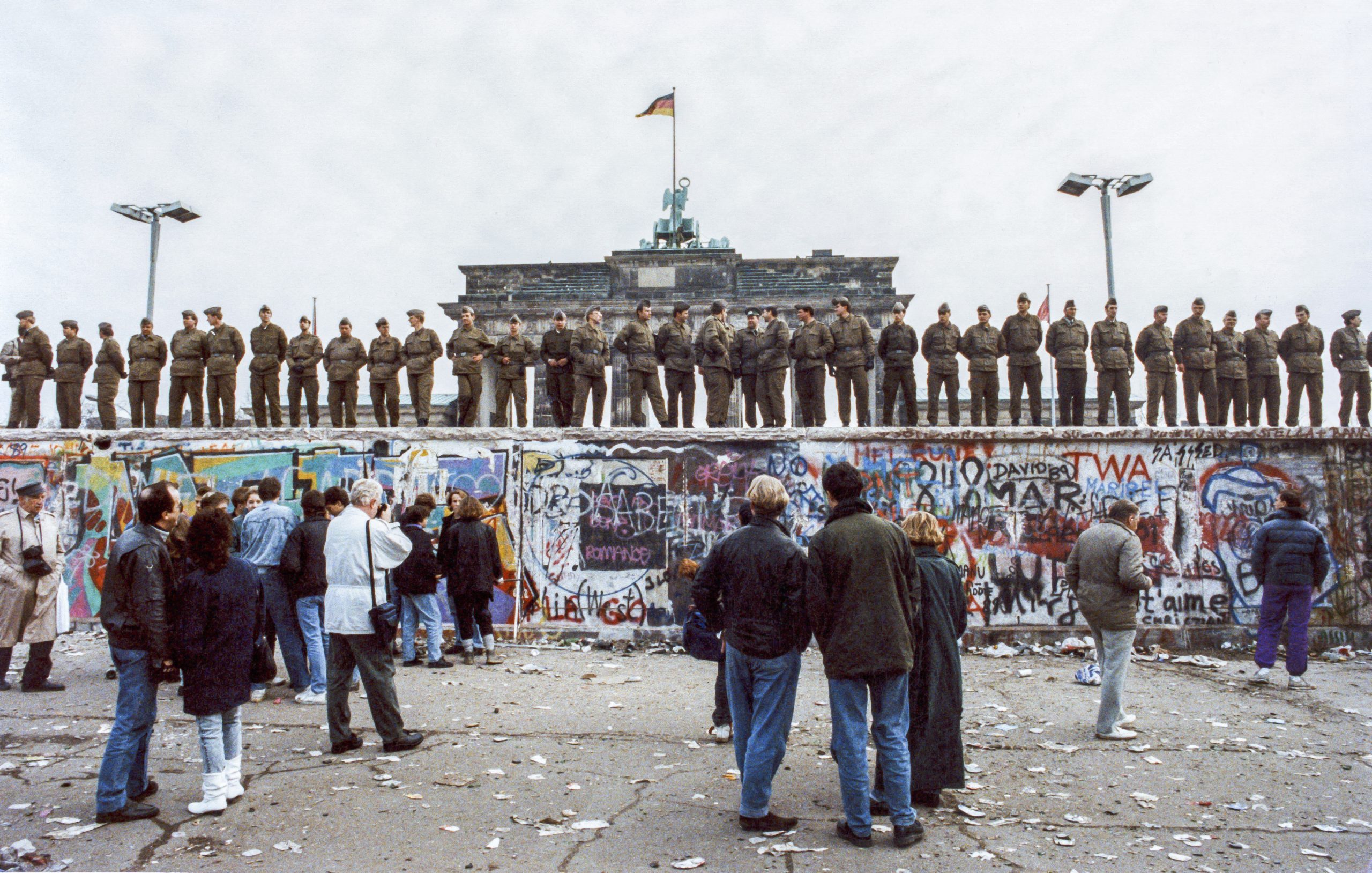
TIM EISENLOHR (FORMER RESIDENT OF EAST BERLIN): The wall was always in my life. Today, this is so hard to explain it to young people. It’s like a science fiction movie, and of course, this was completely a different world.
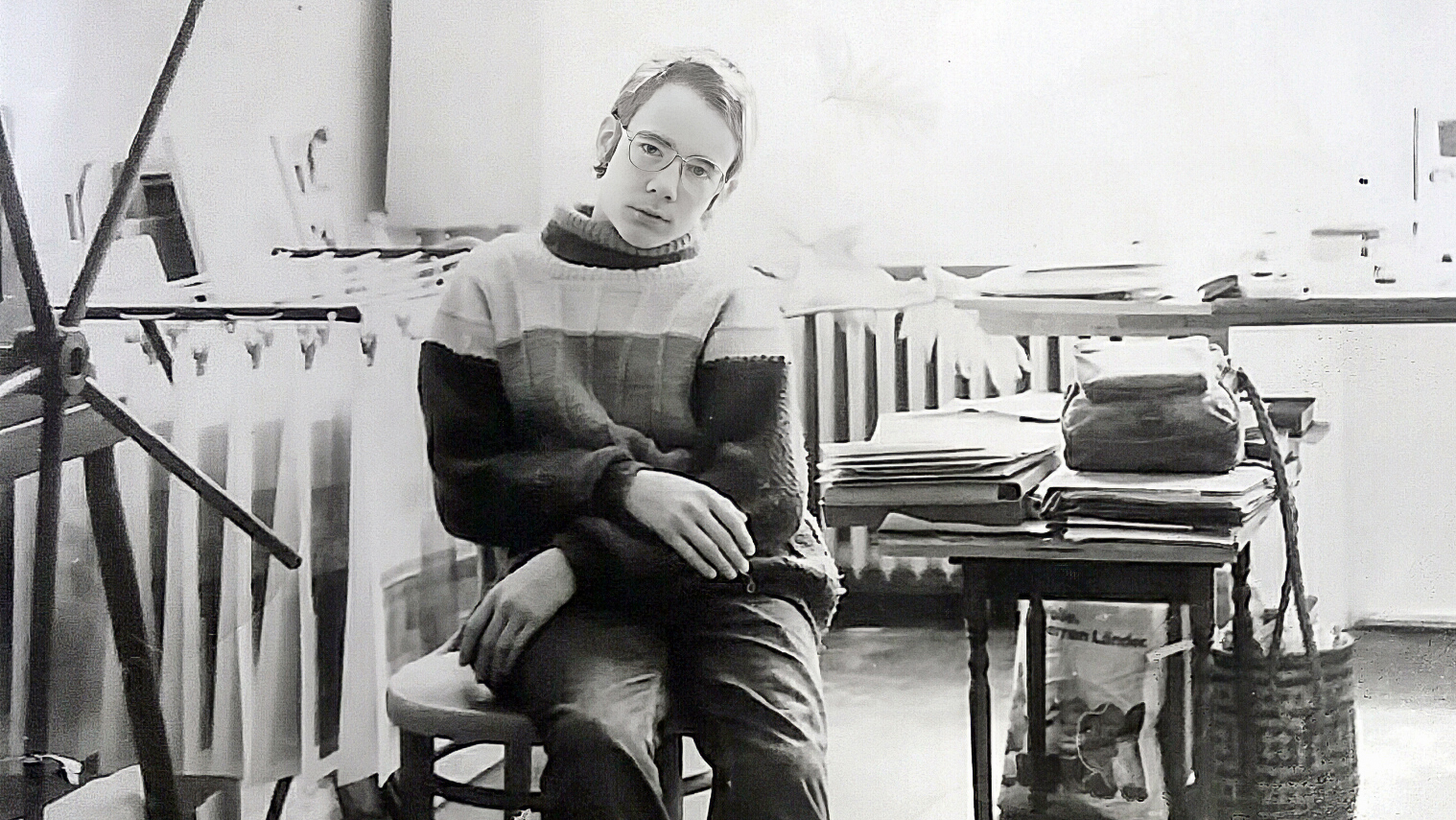
My name is Tim Eisenlohr. I’m born in 1973 in East Berlin. My parents really tried always to empower us for critical thinking and to ask questions about everything.
I think I’m kind of privileged to grow up in this kind of family. In the 80s, there was a lot of problems with the environment, not just in the G.D.R., also in Europe and worldwide. We had acid rain. We had nuclear weapon tests. We had really outdated power plants, and it was also not allowed to publish data about air pollution. This was a secret. This caused a lot of anger also in me because it was so unlawful. I was 14 years old. I was really interested, so I met people from this Environmental Library in the cellar room in a church.
And the idea of this library was to educate people and give a lot of people in the G.D.R. the possibility to inform themselves in a more freely way. So I went there because I was really some kind of nerd, just without computer, but with a lot of books.
I asked the members of the Environmental Library, can I be part of this library? In the begin, they were really suspicious because maybe I’m a spy or something like this. On the other hand I was a 14-years-old boy, and it was a little bit strange that someone in this age wanted to be part of this. So, I, yeah, was allowed.
In the G.D.R., we had a private life and a public life. In the public life, in the school, or at work, we was always aware that someone, maybe, was listening.
ARCHIVAL (STASI TRAINING VIDEO, STASI MEDIATHEK, BUNDESARCHIV, 1985):
VOICEOVER: The specialist opened the tumbler lock with a duplicate key at 9:10 a.m.
TIM EISENLOHR: The idea of the Stasi was to spy.
ARCHIVAL (STASI TRAINING VIDEO, STASI MEDIATHEK, BUNDESARCHIV, 1985):
VOICEOVER: The apartment consisted of two small rooms – a living room and a bedroom – as well as a kitchen, a bathroom, a storage closet and a hallway. It was obvious that a bachelor lived there; order and cleanliness left much to be desired.
TIM EISENLOHR: As the officials know about this Environmental Library, and also the Stasi. It was quite interesting for the Stasi to have something like the Environmental Library because this was a meeting point for so many opposition groups. Of course, we had also in our Environmental Library some spies, but this was quite normal. In all these opposition groups, there some spies.
Of course, it was forbidden to print a newspaper if you are not official permitted to do this, but it was allowed for the church to have some kind of community newspaper. The church don’t interfere in politics, and state don’t interfere in church affairs.
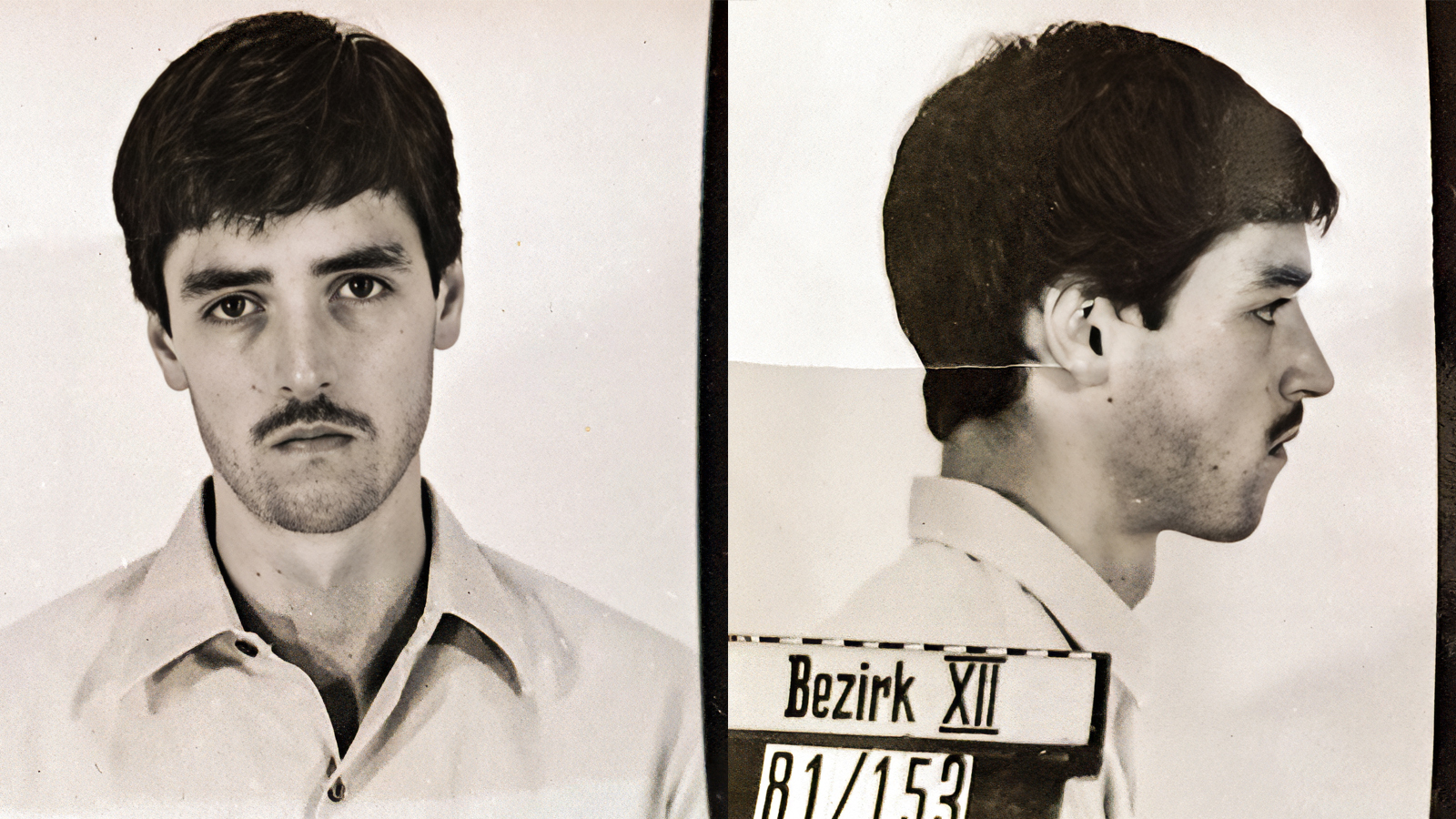
It was November 1987, about midnight, and we were printing this newspaper from the Environmental Library, and what I didn’t know at this time, that my adult colleagues planned to print this other newspaper called the Grenzfall. This newspaper was really forbidden. And the Stasi knocked on the door. They said, stop the machines and turn to the wall, raise your hands. Of course, we all were arrested.
ARCHIVAL (FEDERAL AGENCY FOR CIVIC EDUCATION, 2-12-87):
VOICEOVER: According to a statement from the Berlin Public Prosecutor’s Office, seven people were caught red-handed on Wednesday in the basement of an outbuilding to the Zionskirche while producing anti-government literature.
TIM EISENLOHR: We were about seven people. So I was interrogated about 10 or 12 hours. I denied to cooperate, to answer the question, because my parents taught me, if you are arrested, you have to be silent until your father is there. Of course, they tried to ask questions, but I said no. I was not so afraid how I should be. I don’t know why. I think it was because I was reading so much about resistance groups in the Nazi time. I knew for me, I’m not going to be killed. Maybe there’s some kind of violence or something like this, but I will survive this. I thought, if the resistance in the Nazi time did something like this, I can also do it, and also I was convinced that I’m on the right side.
ARCHIVAL (FEDERAL AGENCY FOR CIVIC EDUCATION, 2-12-87):
VOICEOVER: After the raid and arrests, a wave of solidarity.
TIM EISENLOHR: Because our constitution in the G.D.R. had all these rights like free speech, and that you can print newspapers. All this was in our constitution.
ARCHIVAL (FEDERAL AGENCY FOR CIVIC EDUCATION, 2-12-87):
VOICEOVER: In the evening, after the police action, a demonstration.
TIM EISENLOHR: We had all these rights on the books, but it was not possible to use these rights.
ARCHIVAL (FEDERAL AGENCY FOR CIVIC EDUCATION, 12-9-87):
VOICEOVER: They fight back, referring to rights guaranteed in the constitution.
TIM EISENLOHR: I was really angry.
ARCHIVAL (TAGESSCHAU, 1987):
VOICEOVER: The besieged did not give up. They made their resistance widely visible, turning their church into a haven for protest gatherings.
TIM EISENLOHR: And so this all suppressed my fear.
ARCHIVAL (FEDERAL AGENCY FOR CIVIC EDUCATION, 12-9-87):
VOICEOVER: The peace movement draws new courage, new hope. Its self-confidence is growing; its members are acting calmly but firmly on the issue.
ARCHIVAL (FEDERAL AGENCY FOR CIVIC EDUCATION, 2-12-87):
VOICEOVER: When the fire brigade entered the church grounds to remove the banner, Stasi officers took action against journalists.
TIM EISENLOHR: Everyone in the G.D.R. thought, of course they will shut down this place, but in fact, there was also no proof of our guilt. I was released and the Environmental Library stayed open until the end of the G.D.R.. This was a big wake-up call for the opposition to do more, as the state isn’t so powerful anymore.
ARCHIVAL (TAGESSCHAU, 1987):
VOICEOVER: Finally, the release of the last detainees.
TIM EISENLOHR: I think in my life it was really important to have this experience. You do something, and this has some kind of result, of some kind of consequences. Young people today who are going to be activists, or to be involved in politics, are really frustrated about there is no feedback of my doing. And at this time, there was a big feedback of our doing.
Of course, we are not responsible on our own for the fall of the wall, but we was part of this change in our country. And if you experience something like this as a person, that you are part of such a big change. . .
ARCHIVAL (THE ASSOCIATED PRESS, 12-31-89):
CROWD (CHEERING AS THE BERLIN WALL COMES DOWN): Yeah, wooh, yeah, wooh.
TIM EISENLOHR:. . . you are convinced that you can change something, that is possible to do a change in the world.
What problems we have today, I think it’s really important to bring back this moment, this idea. If you’re brave, if you have endurance, and if you have the right ideas and if you find other people to help you, you can be part of a change.
(END)
How an East Berlin Teenager Defied Cold War Authorities
A teen’s act of resistance during life under surveillance in East Germany.
In this first-person account, Tim Eisenlohr describes coming of age in East Berlin, where public life was shaped by fear and private dissent carried real risks. As a teenager, Eisenlohr participated in the underground environmental movement that gave access to uncensored information. In a Stasi raid on the group in 1987, Eisenlohr and others were arrested and interrogated for hours, confronting the realities of a system that promised rights on paper but denied them in practice. His story captures the small acts of resistance that helped build momentum for broader change across eastern Europe. This video offers a look at daily life behind the Berlin Wall, and the role of ordinary citizens in challenging state power.
- Producer: Kit R. Roane
- Co-Producer / Editor: Jeff Bernier
- Assistant Editor: Jordan Bernier
 Grades
9-12
Grades
9-12


 1 Lesson Plan