Transcript
PETER KEUP (FORMER EAST GERMAN CITIZEN): It sounds strange. I knew that people ended up in prison, but I was totally not prepared. I mean, hundreds of people were killed just because they tried to escape.
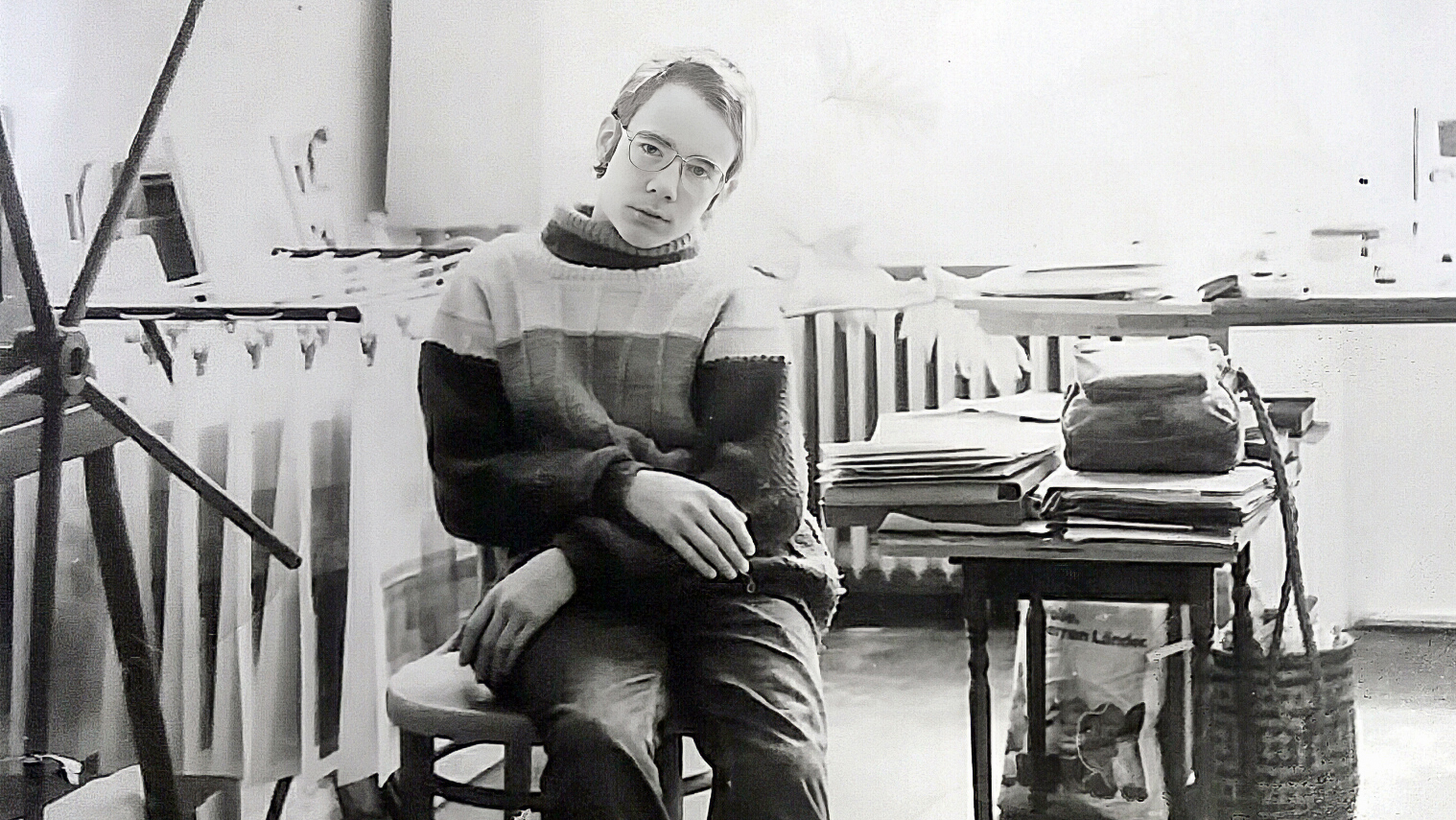
In 1956, after West Germany declared the Communist Party as illegal, my father decided to go to East Germany. My mother, she was not a communist, but she wanted to live with my father, so she went with him to East Germany, to Dresden.
But then, of course, they closed up West Berlin, and my mother had to accept that she was, yeah, trapped in the country. That, for her, was almost unbearable. Every family member — my sister and my brother and me — had to deal with it, personally and silently and secretly.
So when I was 14, 15, my parents applied for an exit visa, and it completely messed up our life afterwards because the decision? They refused. So now we didn’t belong to the society. We were kind of outcast, but we had to stay.
That changed my life in many ways. Classmates stopped talking to me. They kicked me out of the sports club, and the teacher told me, you are traitors. You don’t appreciate the system, you have to leave the school. And then she told me, if you refuse your parents idea of leaving, then we can bring you into another family. Definitely, I decided to stay with my family and I had to leave the school after the 10th class. I didn’t know how to get through this.
So I started dancing, because I just wanted to learn basic things, and nobody asked me for my exit visa request thing, or called me a traitor, or whatever, and I really liked it, and in ’81, my sister and I took part in the East German championships. After the ceremony, officials told us that we are now a member of the East German national team, but only if we withdraw from the exit visa request, and so, yeah, that was one reason to decide to go, to escape.
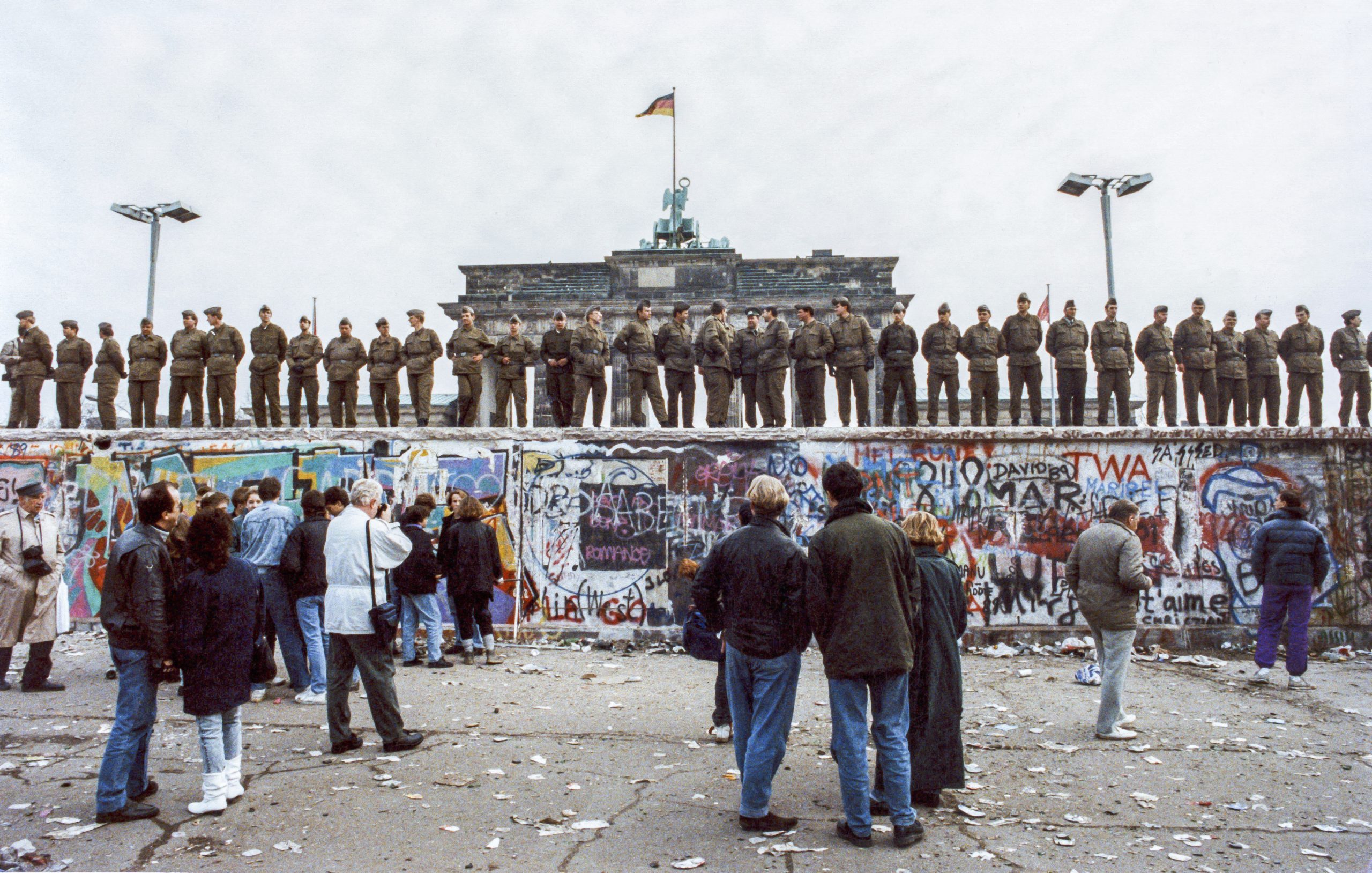
I was fed up with everything. I wanted to change my life, and I just walked along the streets, sure that it would end in front of the wall.
You could see the border system from a distance, but there was a house just behind the wall, and I was fascinated, because I could see people moving in their flats. We spoke the same language. We were German, but we are living in different worlds, enemies. That showed how insane this was.
Then I told my mother, I need to escape. There was a rumor in East Germany that it’s possible to cross the border successfully from Hungary to Austria, so the plan was to travel to Hungary. But as the train approached the border to Czechoslovakia, suddenly, and that never happened before, this guy, he ordered to show the return ticket, which I didn’t have, and four men came into the train with machine guns on. They forced me to take off my clothes, which was, yeah, which was strange, but I had to, and they looked into every corner. They cutted through the toothpaste and things like this. And when I took off my jeans, they opened up the seam with a razor blade and found the money.
He asked me, do you want to leave our country legally? That was the only question. After hours, I realized, doesn’t matter of the answer, they will ask the same question again and again. I was totally, uh, fed up and exhausted, tired, and then I answered them the question, do you want to leave our country? Yes.
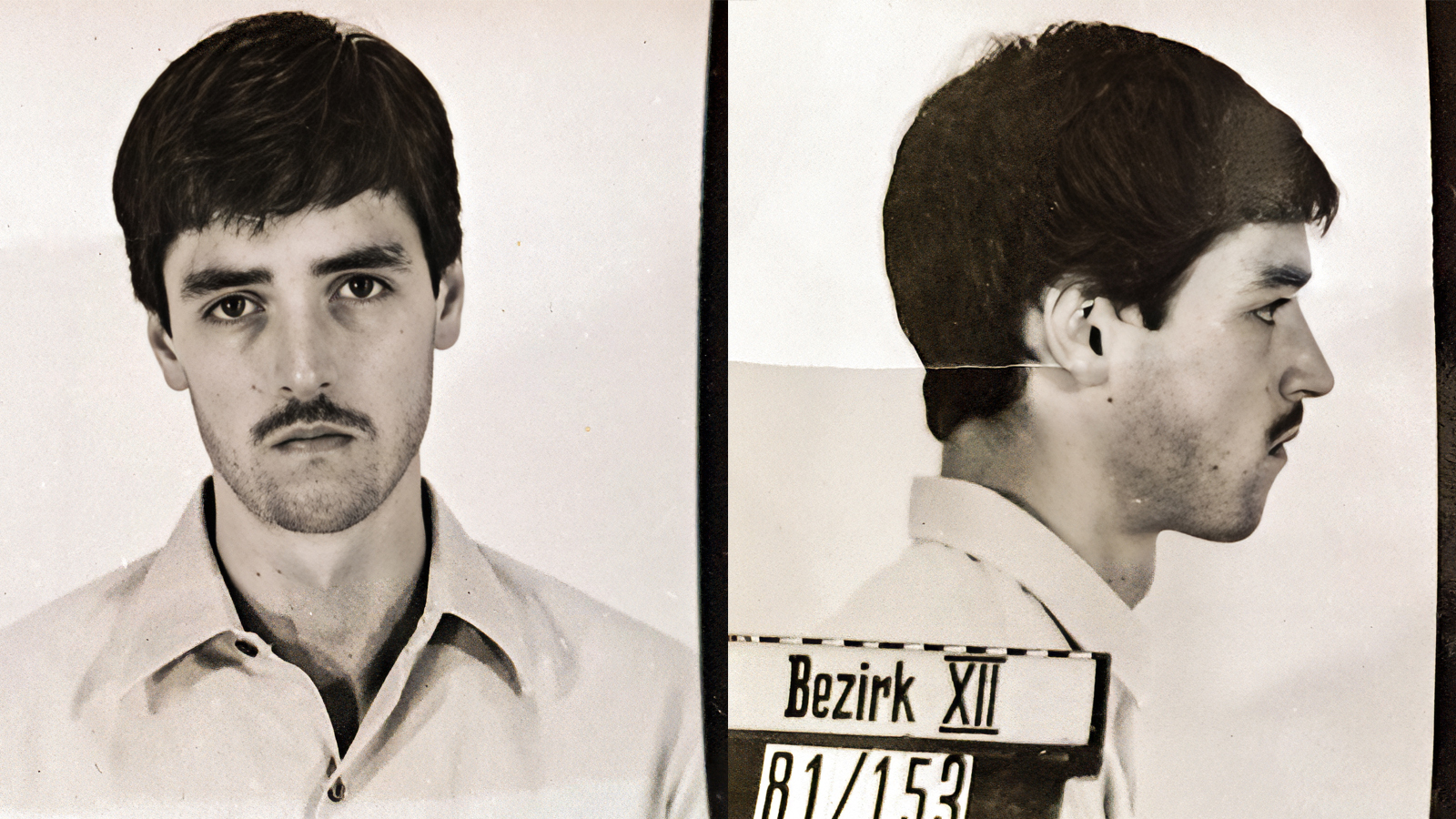
I was convicted for preparing myself to leave East Germany illegally.
(GIVING A TOUR OF HIS FORMER PRISON CELL) So that was pretty much looking like I was imprisoned. In my cell were four political prisoners and five so-called criminal prisoners. Criminals, they were privileged because they just did something against the law, but the political prisoners in the hacking order, just close to the bottom, because they were – they act against the state. They were, uh, complete outcast.
But I met another prisoner. He came to me. He told me, my name is Christoph, and I’m also here because of a failed escape attempt and I’m watching you. You always looking down, so you have to look up, and he literally changed my point of view and it was also the beginning of a friendship.
I expected spending my full sentence in prison, but Christoph, he was telling things like, I’ve heard that people from the prison, they make it to the West. I assumed he’s totally insane. What was he talking about? But he said it in a way like, it’s more than just kidding or something. I started thinking because it just sounded beautiful, and turned out West Germany paid for us.
One day in March 1982, I crossed the outdoor court to the factory where we had to do forced labor and other groups passed by. We weren’t allowed to look at them, or to say hello or something, but one prisoner, he was whispering, you are going on transport tomorrow and I was like, I was like, you know, shaking. Somehow the very next morning, the cell representative came in and then he said, we are ready to leave to work. Prisoner Keup, stay. And then they all left. They said, bye, and things, and, um, I never told the story, actually. They said bye. I stayed, and then I had to pack my personal stuff. Then, in 1982, April, I arrived in West Germany, so it happened.
I started a new life. I went to school. My parents moved over in ’84, my brother in ’85. It could could have been a happy end, actually. But then my father passed away. He committed suicide. It was too hard to start this new life, which was, for me, such a remarkable new chance. Then, November the 9th, 1989, the Wall came down.
ARCHIVAL (ABC NEWS, 11-10-89):
NEWS REPORT: Thousands of East Germans came across the border today. Perhaps more than 100,000, so many that border police lost count.
PETER KEUP: There was not a very nice feeling, honestly, because now I have to share the country with the people who sent me to prison, kicked me out of school, kicked me out of the sports club, treated me in the prison – tortured me. I had immediately the impression that I now have to share the country with Stasi and Co. again.
Then my brother passed away and the law changed and you could apply for the Stasi files of close family members.
ARCHIVAL (ABC NEWS, 2-5-92):
NEWS REPORT: For East Germans, it is a painful look into an appalling aspect of their past. One out of every 80 East Germans collaborated with the secret police as either an agent or a paid informer. The sheer volume of files documents the Stasi’s preoccupation with even the most trivial details.
PETER KEUP: And so, around 2009, 2010, I applied for my parents’ and my brother’s file, and I found out that my brother was part of the state security. That means simply, he signed up to spy on people, his friends and his family.
TEXT ON SCREEN: SIGNED DECLARATION FROM PETER KEUP’S BROTHER
“I hereby agree to continue supporting the MFS in the performance of its duties at all times.”
I told my mother that her son was a spy. She told me, how can you believe that? This is just fake news. They’re lies, complete lies. So, she was really, yeah – no way to talk to her, and so I was on my own.
Again, I didn’t know how to get through this. I already started studying history. So then I moved to Berlin and I got a job offer from Human Rights Center Cottbus, which is my former prison, which is just weird.
(GIVING A TOUR OF HIS FORMER PRISON YARD) And here was the factory which produced cameras, and those cameras were exported to West Germany. So they profited from forced labor in the G.D.R.
And now I have my office in the former Stasi headquarters, two floors above the former minister of state security.
(STANDING AT THE FORMER BRANDENBURG GATE) The Berlin Wall was right behind the Brandenburg Gate. Here was the border that separated two different worlds. I see the people just walking, making selfies, enjoying their life, and I think – if they, if they know what happened here.
(END)
Overcoming the Berlin Wall: A Cold War Escape Plan, Thwarted
One man recounts his attempt to escape East Germany, and what happened next.
In a first-person account, Peter Keup describes growing up in a nation divided after the Berlin Wall closed the East German border in 1961. As a teenager, Keup attempted to escape through eastern Europe but was arrested, interrogated and sentenced to prison for preparing to flee. He recounts life as a political prisoner, including forced labor inside East German prisons. In 1982, he was released and transferred to West Germany, part of a system in which political prisoners were allowed to leave. But years later, after German reunification, Keup uncovered a painful truth about his own family and the reach of the Stasi.
- Producer: Kit R. Roane
- Co-Producer: Jeff Bernier
- Assistant Editor: Jordan Bernier
 Grades
9-12
Grades
9-12


 1 Lesson Plan