
Transcript
TEXT IN SCREEN:
In the 1950s the U.S. Army gave LSD to a cat.
ARCHIVAL:
NARRATOR: The Chemical Corps is testing psycho-chemical agents that temporarily change human behavior patterns.
TEXT ON SCREEN:
Before exposure to LSD
After exposure to LSD
ARCHIVAL:
NARRATOR: The cat’s personality completely changed. Tests now in progress indicate that such agents have significant military potential.
TEXT ON SCREEN:
Civilian scientists gave LSD to other animals.
Goats on LSD walked in repetitive patterns live ovals or figure-8’s.
Snails began to move about in “a most unseemly manner.”
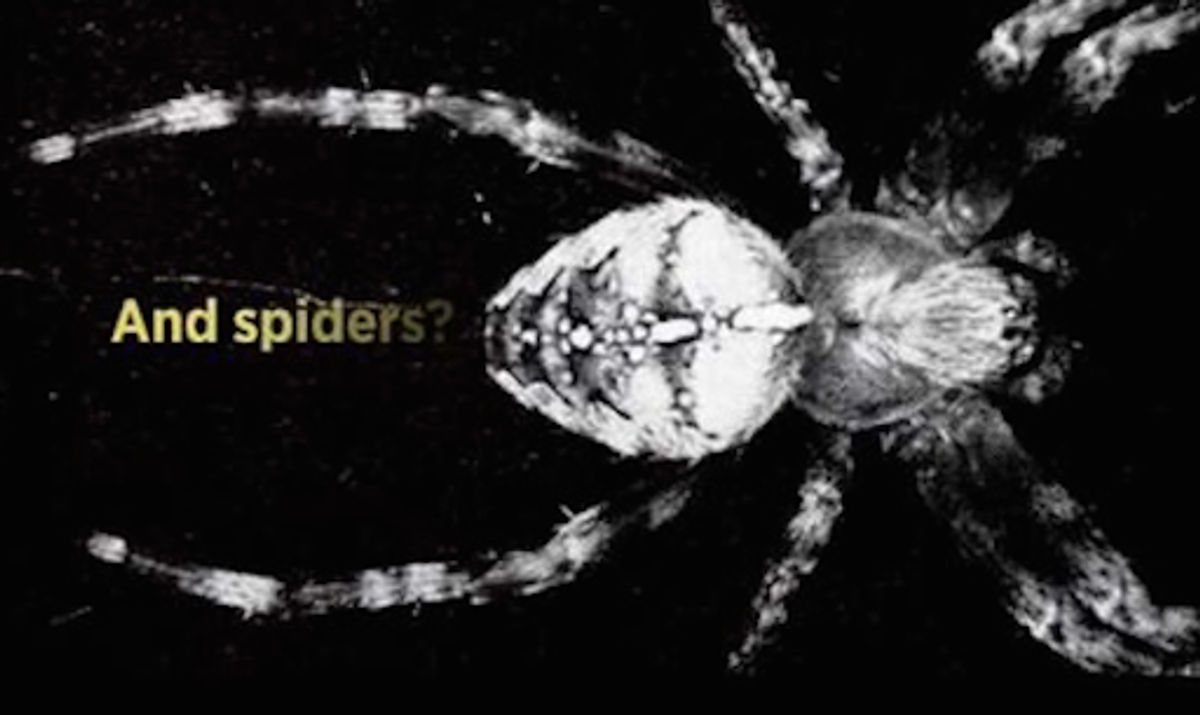
And spiders? High doses of LSD completely disrupted web-weaving.
But low doses yielded “unusually regularly spaced webs.”
And early LSD experiments weren’t only done on animals.
JAY STEVENS (AUTHOR, “STORMING HEAVEN: LSD AND THE AMERICAN DREAM”): If you sort of spray out to the therapeutic community, to a research community a substance and you say, figure out really what it’s good for, that’s kind of what the early science of LSD was, and it was kind of a Wild West free-for-all.
(END)
LSD and Cats
The early science of hallucinogens in the 1950s and ’60s was “kind of a Wild West free-for-all.” For more info on the science of spiders and drugs, visit www.drpeterwitt.com.
- Producer: Joshua Fisher
