
Transcript
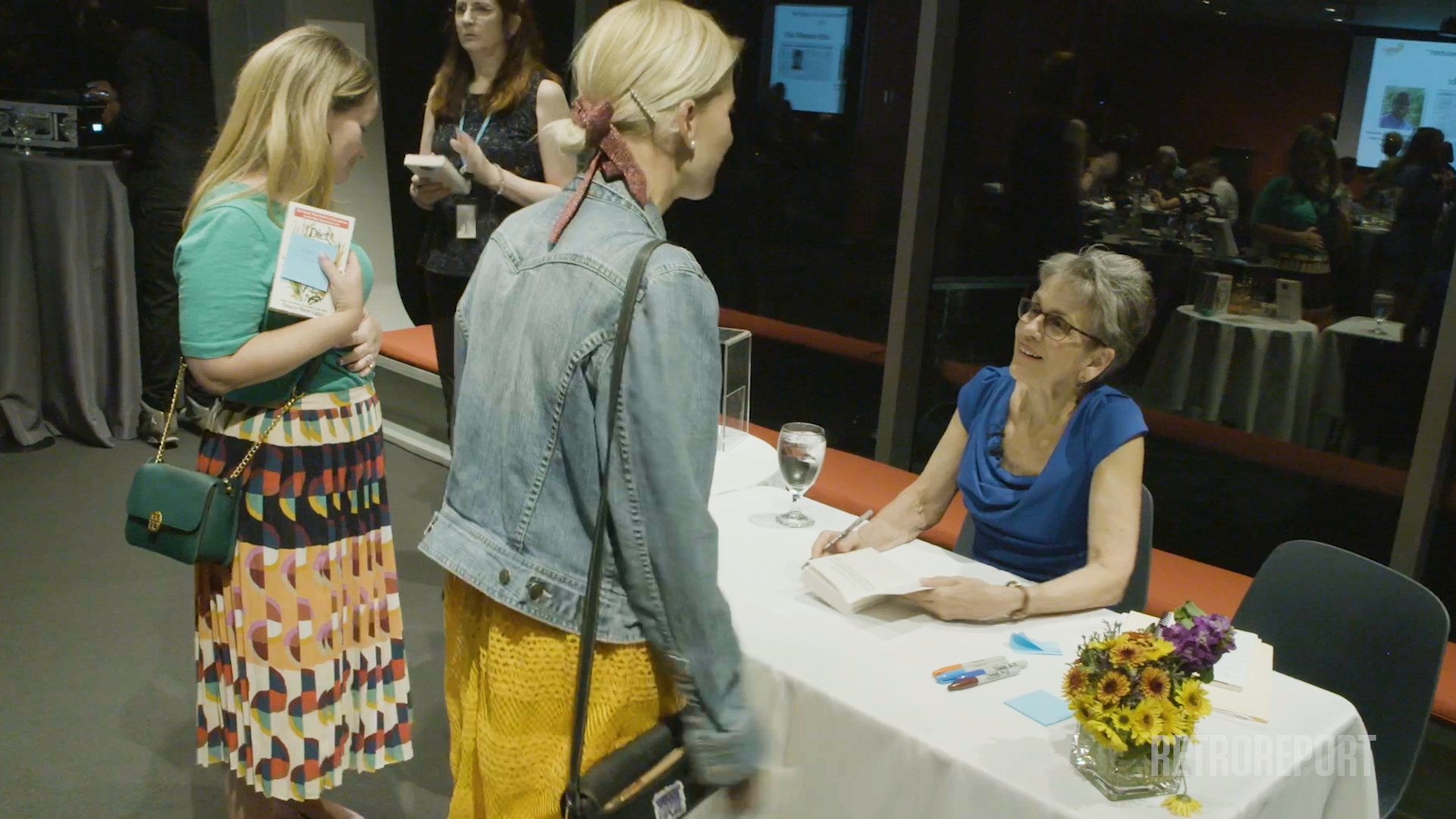
FRANCIS MOORE LAPPÉ (AUTHOR, “DIET FOR A SMALL PLANET,” 1971): My name is Frances Moore Lappé. I grew up in a city whose nickname is Cowtown, and Cowtown is Fort Worth, Texas. We ate what Texans eat. We ate a lot of pork chops and beef, but we were just regular Americans.
As a community organizer in the war on poverty, I worked closely with a team of African American women. They were all single moms, and they were all receiving welfare benefits. And they all had to just fight constantly for survival. I bonded particularly with one of these women, and suddenly she died in her early 40s.
Paul Ehrlich’s “Population Bomb” came out right at that time. World hunger was a conversation in the news telling us that we’d already overrun, or we were quickly overrunning the earth’s capacity.
ARCHIVAL (CBS 8-18-69):
NEWS REPORT: If we do not by humane means limit our numbers, then numbers are going to be limited by more famines and shortages.
FRANCIS MOORE LAPPÉ: I thought, ah, if I could just understand why people are hungry. I’m going to figure out — are we really at the earth’s limits? Is that really the cause of hunger? If you take the world food supply and you divide it by the number of people on the planet – more, more than enough. It’s not because of nature. It’s because of what human beings are doing, and we can change that.
Today we use about three-quarters of our agricultural land to produce livestock. Those livestock return to us 17 percent of our calories. We literally waste a third of all the food that’s produced.
So, a key theme of my life then became: what would it mean to have the power for all of us to feed ourselves? That’s why I wrote my book.
The recipes were combinations of foods and all of the fruits and vegetables that I’d never even imagined growing up in Fort Worth, Texas.
At the time, it was mostly inconceivable to people that you could be healthy without meat, and a lot of meat, to meet your protein requirements.
People often ask me, wasn’t it hard to give up meat? And I say, no. It was so exciting, because the world of variety and texture and color and taste is all in the plant world. So, I wanted to share through the recipes discovery and delight and enjoyment.
Parents were terrified that their young people who were reading “Diet for a Small Planet” would reject meat, and that they would get sick and die.
There are great sources of protein in plant foods.
Choosing a diet that is aligned with the earth is a symbolic act, but it also sends ripples throughout, as we have seen in terms of the rise of a whole culture around organic food and around natural foods consumption.
ARCHIVAL (DEMOCRACY NOW, 7-9-08):
REPORTER: “Diet for a Small Planet” sold more than 3 million copies.
ARCHIVAL (THE THOM HARTMANN PROGRAM, 10-5-21):
THOM HARTMANN: It’s one of those books that had an enormous impact on the United States and, frankly, all around the world.
ANNE LAPPÉ (FRANCES’S DAUGHTER): The book was always like much more than just like a cookbook about, how do you make dinner without using meat? It was about a book that set off a political revolution.
FRANCIS MOORE LAPPÉ: I feel there’s been enormous change in our culture around foods since I wrote my book, just enormous change. Just the availability of restaurants – there’s a vegan restaurant not too far. There’s a vegetarian restaurant. That just didn’t exist.
What’s so satisfying to me is how people are asking more questions about the overall food system, its justice, its injustice.
ANNE LAPPÉ: What I’ve loved about her message as I’ve understood it is, it’s not as if that difference you make stops at your plate. It kind of sets you on a path to be thinking differently about all the choices you make in your life. Food is this door that can open you into, and of your connection to the rest of the world.
(END)
How ‘Diet for a Small Planet’ Changed the Way We Think About Food
Frances Moore Lappé’s 1971 book reshaped ideas about hunger, food justice and sustainability.
When Frances Moore Lappé began asking why there was hunger in the world, she uncovered a system built on waste and inequality. Her search for answers led to “Diet for a Small Planet,” a book that blended political insights with plant-based recipes that helped introduce vegetarian eating to Americans.
In this short video, Lappé describes how examining the limits of the planet’s food supply led her to see that reducing the focus on livestock production could free up resources for millions of people. Her book helped transform American attitudes about food, inspiring a national conversation about justice, land use and everyday choices.
“It was so exciting because the world of variety and texture and color and taste is all in the plant world,” she told Retro Report.
The movement Lappé helped ignite laid the groundwork for later efforts to rethink meat consumption. A related Retro Report video and lesson plan picks up that story decades later, as food scientists and entrepreneurs turn the environmental arguments Lappé helped popularize into plant-based meat substitutes designed to look and taste like the real thing.
- Senior Story Producer: Jill Rosenbaum
- Producer / Editor: Gaby Striano
