Posted inCivics and Government

Lesson Plan: Civics Skills: Introducing Oral Histories

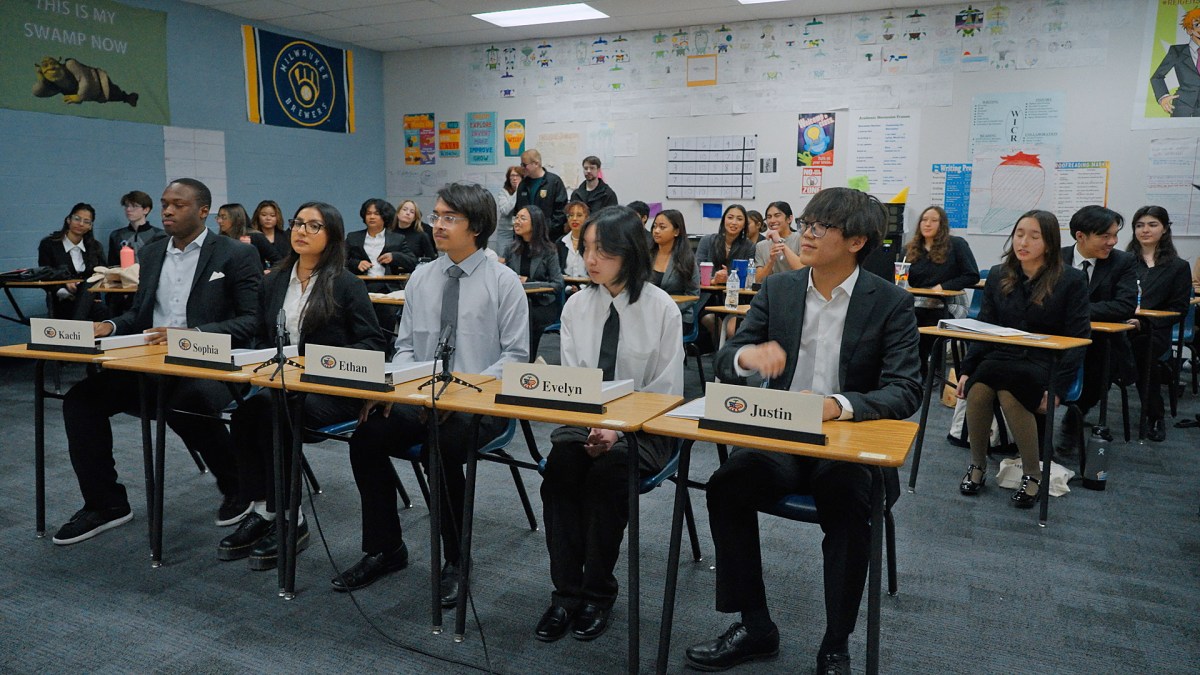
Hearing from student activists like Mary Beth Tinker and Cameron Samuels helps us understand what civics in action can look like. Through the power of oral history, students will learn about how those in their community have advocated for change. In this lesson, students will brainstorm, craft questions and conduct their own oral history interviews to learn more about an aspect of U.S. History or government. Students will conclude by reflecting on the importance of oral history as a tool for historians.

Posted inCivics and Government

Lesson Plan: Religious Freedom in Schools

Students will learn about the U.S. Supreme Court landmark student rights cases that were heard in the 1960s. The court protected student speech and expressive conduct in Tinker v. Des Moines, and tackled the issue of prayer in schools. The family of Mike and Jonathan Engel challenged their school districtโ€™s practice of beginning each day with a prayer. In Engel v. Vitale, the Court ruled that voluntary state-sponsored school prayer violated the separation of church and state and the establishment clauses of the First Amendment.

Posted inCivics and Government

Lesson Plan: Reading Supreme Court Decisions: Tinker v. Des Moines

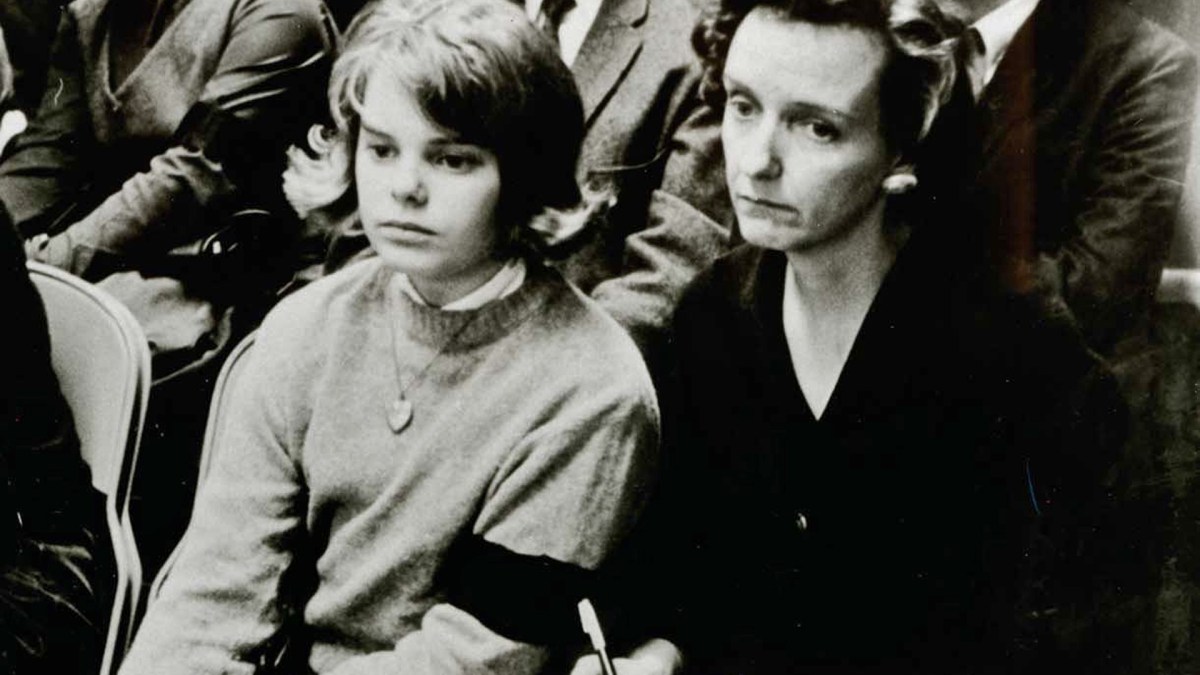
In the midst of the Vietnam War, Mary Beth Tinker, her siblings and other students in Des Moines, Iowa, engaged in nonviolent protest by wearing black armbands to school. After receiving a suspension, the students challenged the school districtยดs decision, asserting that the students had a constitutionally protected right to free speech. The Tinker case stands as precedent for other similarly situated student speech cases. However, as digital speech continues to evolve, students are faced with new questions about where free speech can and cannot be regulated.

Gift this article