
Race and Racism



Posted inCivics and Government
Lesson Plan: How ‘Zero Tolerance’ Blurred the Line Between School and the Justice System
Students will learn the social and political forces that led schools to adopt “zero tolerance” discipline policies in the 1980s and 1990s, and the racially unequal consequences of these policies today.

Posted inU.S. History
Lesson Plan: What Jesse Owens’s Story Tells Us About Sports and Politics – Mini Lesson
Students will discuss the impact of Jesse Owens’s achievements on the perceptions of race on the national and international stages.
Posted inCivics and Government
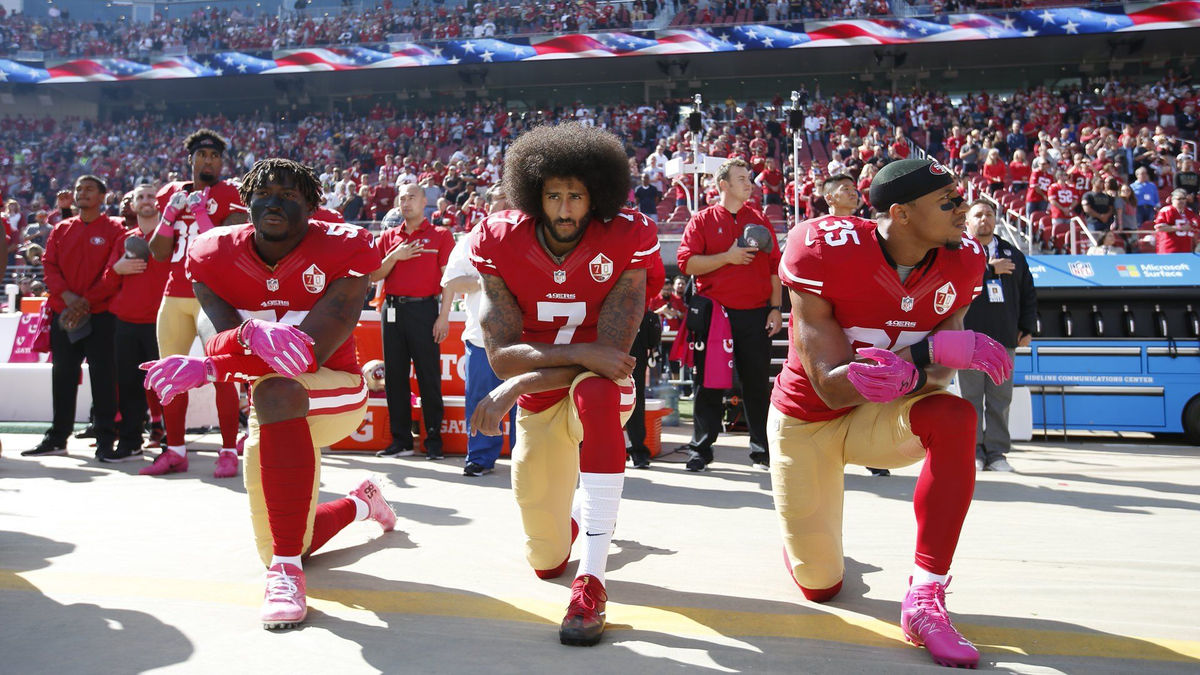
Lesson Plan: Black Activism – M.L.K., the Olympics and the N.F.L.
Students will learn about the raised fist protest of Tommie Smith and John Carlos at the 1968 Olympic Games and the 2016 activism of Colin Kaepernick, the San Francisco 49ers’ quarterback, as a way of examining nonviolent protest.

Posted inCivics and Government
Lesson Plan: Protests for Racial Justice – A Long History
Students will learn how current protests against police violence and racial inequality are connected to the past, and about the White House commission that released a report in the aftermath of the major urban disorders of 1967.

Posted inCivics and Government
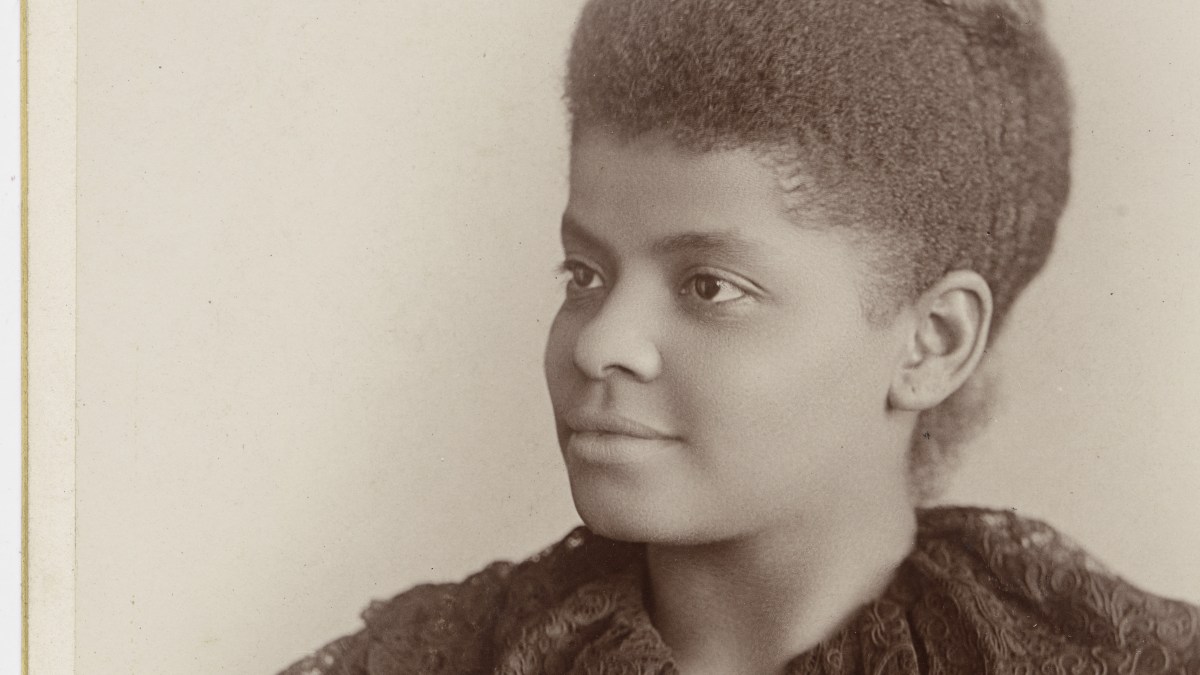
Lesson Plan: How Black Women Fought Racism and Sexism for the Right to Vote
Students will learn how Black women have often been at the forefront of activism and advocacy relating to ballot access, voter suppression, and the right to vote.

Posted inU.S. History
Lesson Plan: Media Literacy and the Lost Cause Narrative
What happens when history is written not by the victors, but the losers? After the Civil War, the United States began the difficult process of reuniting and healing after four years of brutal conflict and centuries of Black enslavement. During this process of Reconstruction, the question arose for former Confederates of how to remember the Civil War and its causes. In an attempt to justify their actions, white Southerners created a historical narrative of the Civil War known as the Lost Cause. This romanticized version of historical events has since been largely discredited by historians. Nonetheless, the impact of this collective regional memory remains. In this activity, students will apply a fact-checking process to the six key tenets of the Lost Cause narrative.
