


The killing of twelve students and a teacher at Columbine High School in 1999 continues to shape how we view and understand school shootings today.
Mis- and Disnformation
Posted inVideo
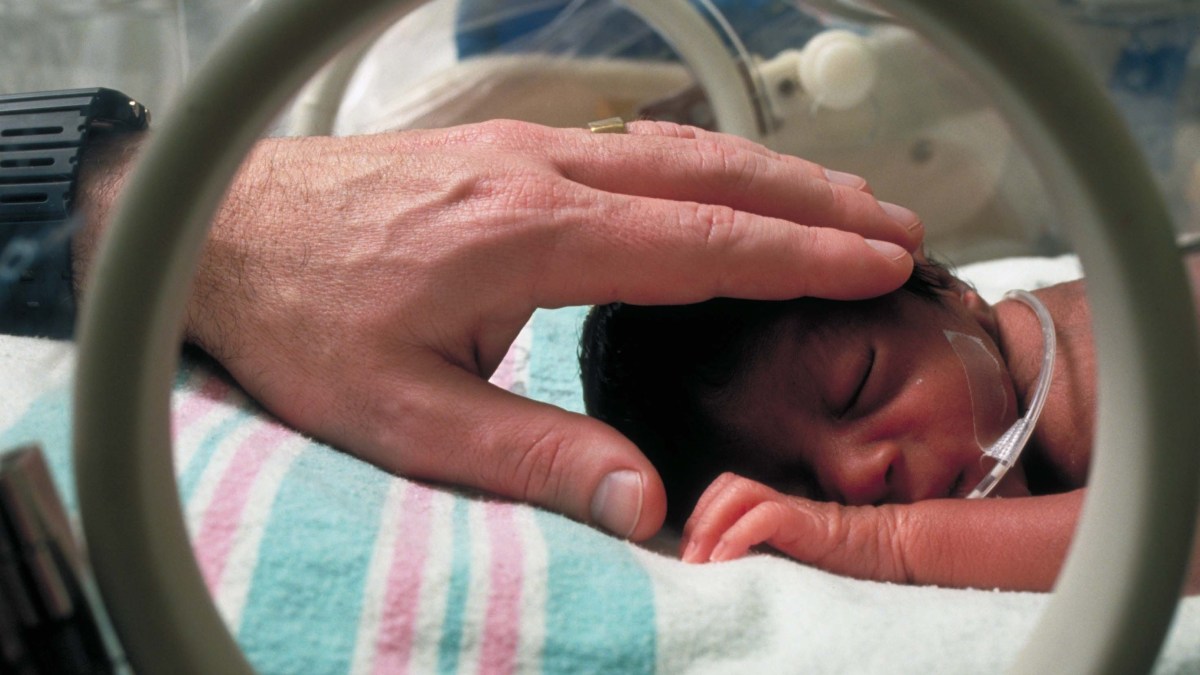
From Crack Babies to Oxytots: Lessons Not Learned


In the 1980s, many government officials, scientists, and journalists warned that the country would be plagued by a generation of “crack babies.” They were wrong. More than 25 years later, the media is sounding a similar alarm.
Posted inVideo
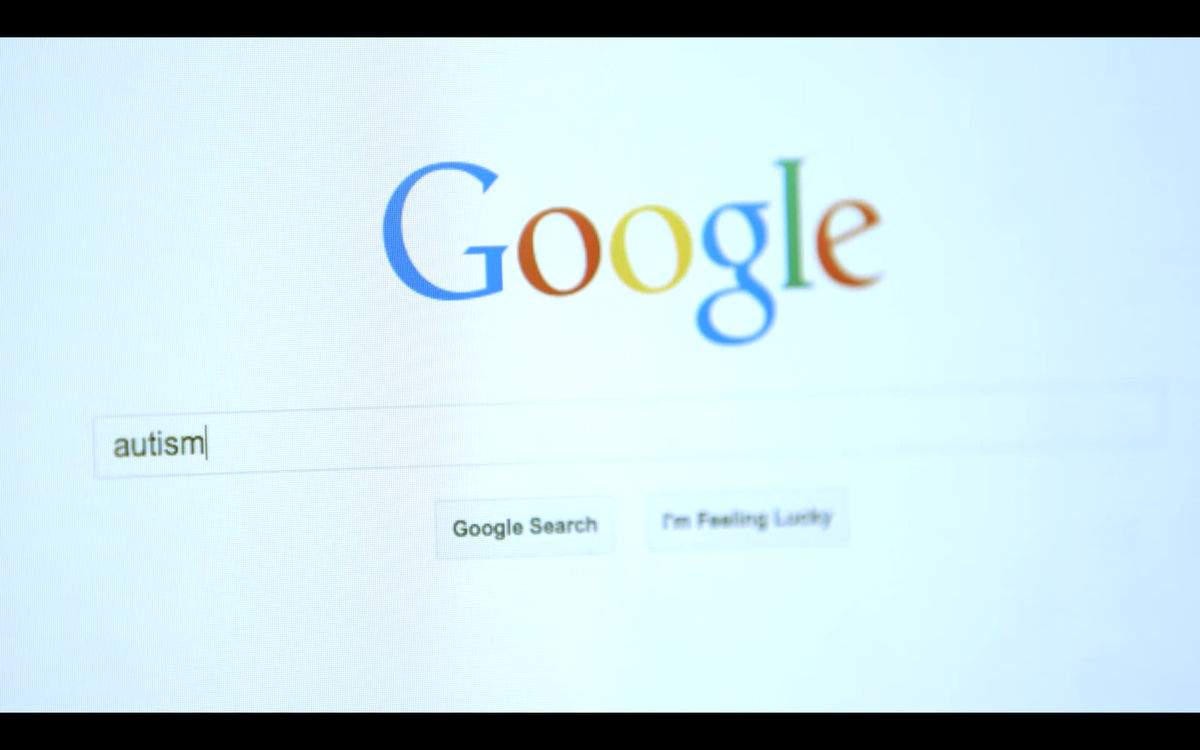
Searching for Better Answers

On the heels of a national measles scare, Google announced that it is refining its search results for hundreds of medical conditions to show only vetted resources and web sites.
Posted inVideo
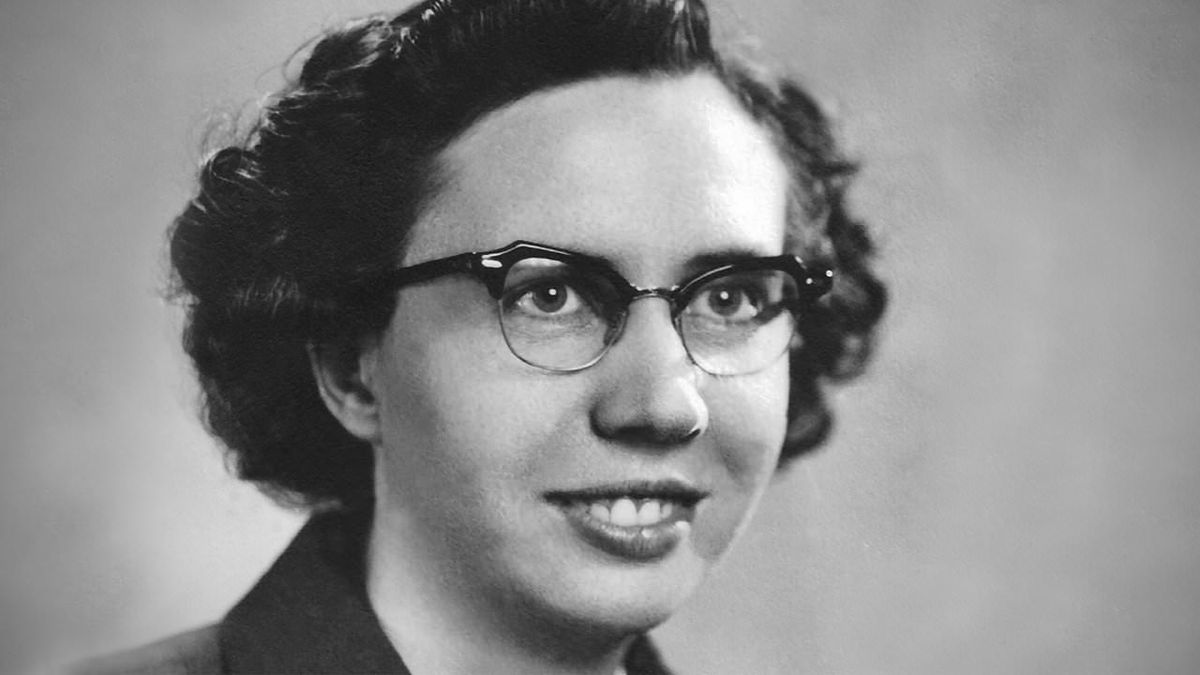
How the Story of ‘Sybil’ Influenced Views of Mental Illness

In the 1970s, the TV movie “Sybil” introduced much of the nation to multiple personality disorder and launched a controversy that continues to resonate.

Posted inVideo
Interpreting Forensic Evidence in the Crime Lab


Before DNA testing, prosecutors relied on less sophisticated forensic techniques, including microscopic hair analysis, to put criminals behind bars. But how reliable was hair analysis?

Posted inVideo
The Preschool Sex Abuse Case that Changed How Molestation is Investigated

The nightmare began in 1983 when a 39-year-old mother called the police department in Manhattan Beach, California and accused a teacher at the McMartin Preschool, Raymond Buckey, of molesting her two and a half-year old son.
Posted inVideo
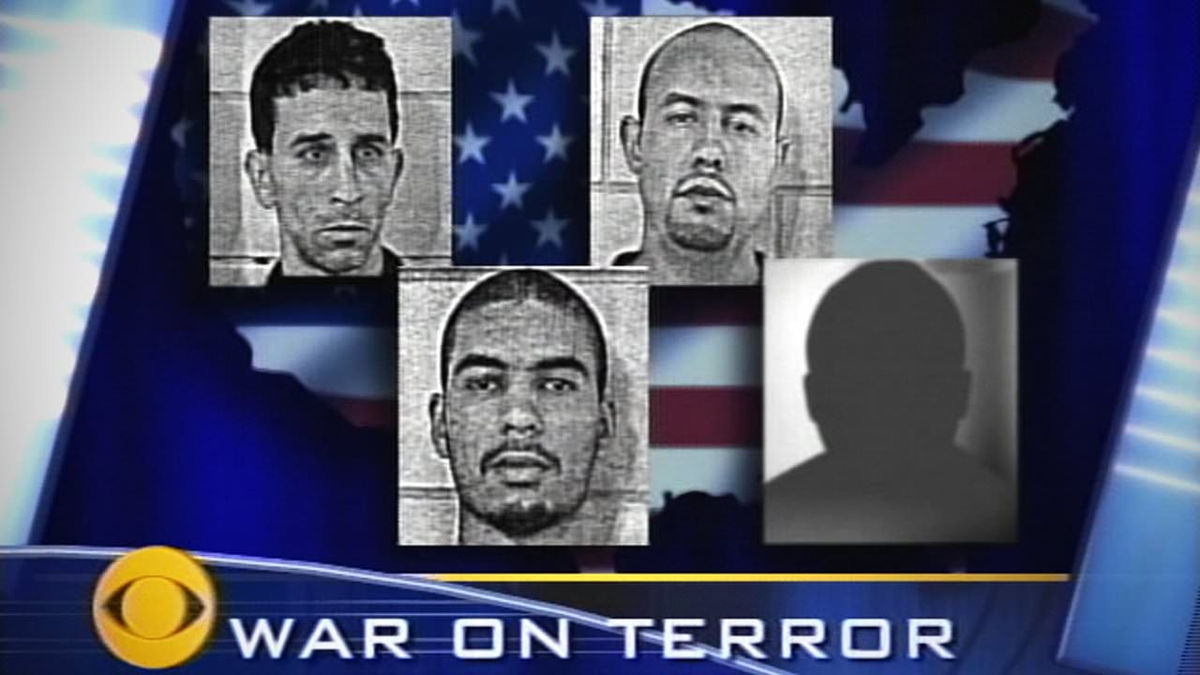
Wrongly Accused of Terrorism: The Sleeper Cell That Wasn’t


Six days after 9/11, the FBI’s raid on a sleeper cell signaled America’s resolve to fight terrorism. But, despite a celebrated conviction, there was one problem–they were wrong.
For teachers: This video is part of a collection of resources including four short films, each accompanied by a lesson plan and student activity.

Posted inVideo
Richard Jewell: The Wrong Man


The 1996 Olympics in Atlanta were rocked by a bomb that killed one and injured more than 100. In the rush to find the perpetrator, one man became a target. There was only one problem. He was innocent.

Posted inVideo
The Crack Baby Scare: From Faulty Science to Media Panic
In the 1980s, images of tiny, jittery “crack babies” caused social outcry – crack-addicted pregnant mothers were prosecuted and the media warned that a generation of “crack babies” would plague our country. Turns out… they were wrong.
