
Resources
Criminal Justice and Law
See table of contents ▶
Civil Rights and Civil Liberties

Habeas Corpus and the Limits of Presidential Power: The Right to a Day in Court
Habeas corpus, the right to challenge unlawful detention, is at the center of a debate over presidential power.
 05:39
05:39
 2
lesson plans
2
lesson plans
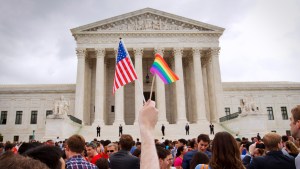
How the Supreme Court Ruling in Obergefell v. Hodges Legalized Same-Sex Marriage
This story revisits the landmark Supreme Court decision from the perspective of the two named participants, Jim Obergefell and Richard Hodges.
10:11
1
lesson plan
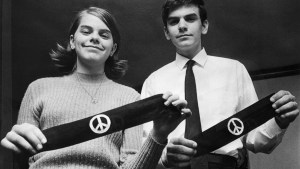
Civics Skills: How Students Stood Up for the Right to Protest
Understand students’ rights that are protected by the First Amendment.
05:40
3
lesson plans
As SCOTUS Examines School Prayer, Families Behind a Landmark Ruling Speak Out
Ruling in favor of a high school coach who knelt to pray on the football field, the Supreme Court opened the door to challenges on school prayer, 60 years after a landmark ruling in Engel v. Vitale.
09:45
1
lesson plan
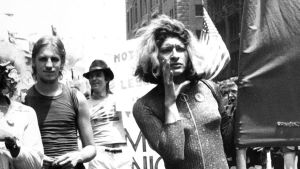
Transgender Rights, Won Over Decades, Face New Restrictions
More than 50 years after the Stonewall uprising marked the birth of a movement for LGBTQ+ rights, transgender activists continue to push for inclusion.
10:55
1
lesson plan
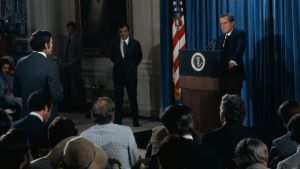
Presidents v. Press: How the Pentagon Papers Leak Set Up First Amendment Showdowns
Efforts to clamp down on White House leaks to the press follow a pattern that was set during the Nixon era after the publication of the Pentagon Papers.
12:21
1
lesson plan
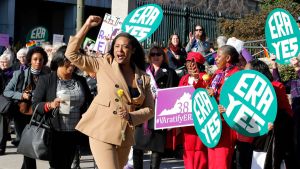
From Women’s Suffrage to the ERA, a Century-Long Push for Equality
The Equal Rights Amendment, proposed in 1923, sparked debate from its very beginning, even among many of the women who had worked together for suffrage.
07:43
2
lesson plans

Do Whistleblower Protections Work? Ask This One.
A whistleblower case from 2010 reveals the peril faced by whistleblowers seeking to expose wrongdoing.
07:35
1
lesson plan

She Rocked the Pentagon
After a sexual assault scandal at the Tailhook convention rocked the Navy in 1991, one female officer, Paula Coughlin, launched a campaign to change military culture.
11:57
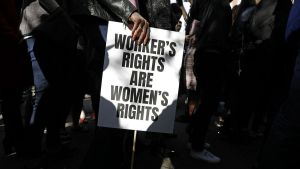
Sexual Misconduct at Work, Again
The #MeToo movement is shedding renewed light on sexual harassment at work. The fight has a decades-long history.
12:46

‘Why Hasn’t Sexual Harassment Disappeared?’
From naming the problem in the 1970s, to bringing it out of the shadows in the 90s, to a growing accountability today – the evolution of sexual harassment in the workplace.
11:24

Book Bans, Student Rights and a Fractured Supreme Court Ruling
Island Trees v. Pico tested student rights, free expression and the limits of school boards.
07:03
2
lesson plans
Corrections
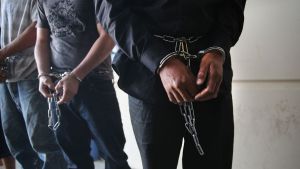
For Private Prisons, Detaining Immigrants Is Big Business
An inmate population surge in the 1980s led to the growth of for-profit prisons. Today, despite their mixed record, private prison companies are overseeing the vast majority of undocumented migrants.
10:01
1
lesson plan
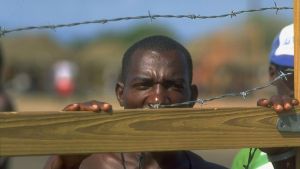
Forever Prison
Guantanamo Bay has become a symbol of the war on terror, but its story actually begins a decade before, when it was first used to detain thousands of Haitians outside the reach of U.S. law.
14:26
1
lesson plan
Evidence

DNA Clues Solve Crimes . . . With a Privacy Cost
DNA information that is available on genealogy websites is doing more than satisfying curiosity – it’s solving crimes.
14:08

The Back Story on Bad Forensic Science
With the Trump administration’s move to end a commission investigating flaws in forensic science, Retro Report looks at the history of one now-challenged method: hair analysis.
03:09
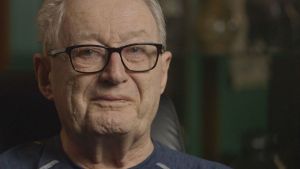
The Doctor who Identified Shaken Baby Syndrome
The pediatric neurosurgeon who first identified shaken baby syndrome has a surprising take on the very syndrome he’s credited with discovering.
02:16

The Nanny Murder Case: Shaken Baby Syndrome on Trial
In 1997, a young British nanny charged with murder brought shaken baby syndrome into the national spotlight, and raised a scientific debate that continues to shape child abuse cases today.
12:57
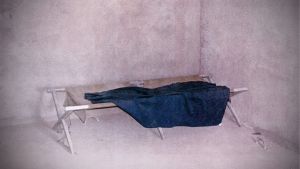
He’s the only CIA Contractor to be Convicted in a Torture-related Case
The story of the first and only interrogator connected to the CIA to be convicted in a torture-related case.
13:07
1
lesson plan

A Mother, a Dingo and an Australian Media Frenzy
In 1982, an Australian mother was convicted of murdering her baby daughter. She was later exonerated, but soon fell victim to a joke that distracted the world from the real story.
13:50

Interpreting Forensic Evidence in the Crime Lab
Before DNA testing, prosecutors relied on less sophisticated forensic techniques, including microscopic hair analysis, to put criminals behind bars. But how reliable was hair analysis?
10:44
1
lesson plan

The Preschool Sex Abuse Case that Changed How Molestation is Investigated
The nightmare began in 1983 when a 39-year-old mother called the police department in Manhattan Beach, California and accused a teacher at the McMartin Preschool, Raymond Buckey, of molesting her two and a half-year old son.
13:19
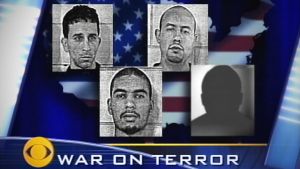
Wrongly Accused of Terrorism: The Sleeper Cell That Wasn’t
Six days after 9/11, the FBI’s raid on a sleeper cell signaled America’s resolve to fight terrorism. But, despite a celebrated conviction, there was one problem–they were wrong.
11:39
1
lesson plan
Hate Crimes and Violence
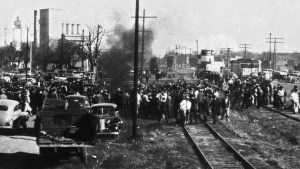
The Lasting Impact of a Lynching
This excerpt examines the lynching of Cleo Wright in 1942, reflecting the racial violence and societal tensions of the time.
06:07
1
lesson plan
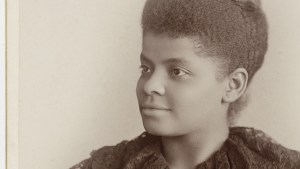
Ida B. Wells and the Long Crusade to Outlaw Lynching
Ida B. Wells, a journalist, civil rights activist and suffragist, dedicated her life to documenting injustices against Black Americans and calling for change.
10:14
2
lesson plans
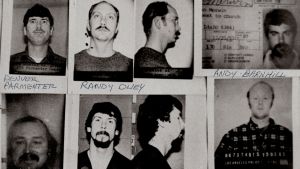
Extremism in America (full film)
This 28-minute special looks at the roots and rise of hate groups in America. It is released in collaboration with WORLD Channel and The WNET Group’s reporting initiative Exploring Hate.
26:01
1
lesson plan
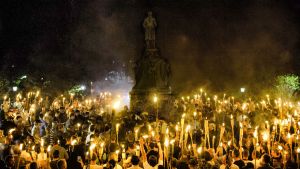
Extremism in America: Out of the Shadows
According to experts who monitor the radical right, the white supremacist ideology that police say drove the Buffalo gunman has begun moving from the extremes into the mainstream. This is the fifth episode of a five-part series produced in collaboration with The WNET Group’s reporting initiative Exploring Hate.
09:16
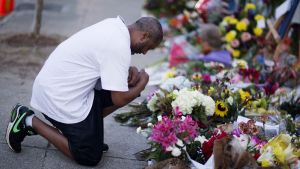
Extremism in America: A Surge in Violence
Violent attacks involving extremist ideology began to rise in the last decade, but officials were slow to recognize homegrown threats. This is the fourth episode of a five-part series produced in collaboration with The WNET Group’s reporting initiative Exploring Hate.
09:15

Extremism in America: Missed Warnings
In the years before Barack Obama was elected, many groups on the extreme right kept a relatively low profile. With the election of a Black president, that changed. This is the third episode of a five-part series produced in collaboration with The WNET Group’s reporting initiative Exploring Hate.
07:34
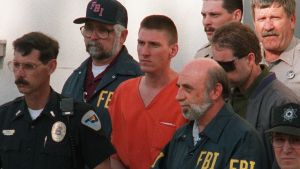
Extremism in America: The Oklahoma City Bombing
Anti-government propaganda, military deployment and the F.B.I. raid in Waco, Texas, radicalized Timothy McVeigh and led to the Oklahoma City attack. This is the second episode of a five-part series produced in collaboration with The WNET Group’s reporting initiative Exploring Hate.
07:10

Extremism in America: Emergence of The Order
The killing of radio host Alan Berg exposed a new kind of right-wing extremism. This is the first episode of a five-part series released in collaboration with The WNET Group’s reporting initiative Exploring Hate. This series was recognized with a 2022 Online Journalism Award for Best Digital Storytelling.
08:58
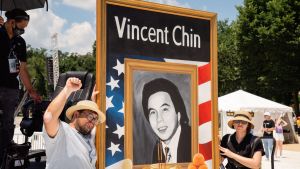
The Crime That Fueled an Asian American Civil Rights Movement
The 1982 attack against Vincent Chin redefined hate crimes and energized a push for today’s stronger legal protections. (Mural by Anthony Lee.)
10:13
2
lesson plans

The Modern Bystander Effect
Why don’t people intervene when they encounter violence streaming live online?
10:43
1
lesson plan
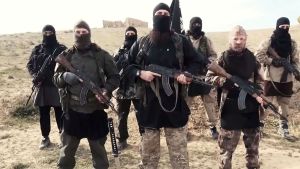
How ISIS Resembles the Doomsday Cults of the 1970s
Can the lessons we learned from extremist cults decades ago be used to fight ISIS recruitment today?
09:50
1
lesson plan

The Tawana Brawley Story
In 1988, the nation learned the truth about the alleged crimes against Tawana Brawley, but the shocking story was far from over.
13:58
Law and Public Policy

How Gun Violence and the Supreme Court Have Shaped Second Amendment Rights
Supreme Court rulings on gun laws highlight the struggle to balance individual rights and public safety.
10:28
1
lesson plan
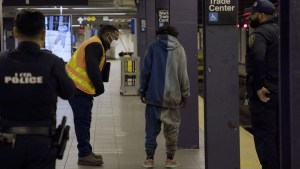
Attacks in New York City Renew Questions About Forced Mental Health Treatment
New York City’s renewed efforts to tackle homelessness and untreated mental illness is raising complex questions about civil liberties, public safety and effective care.
12:57
1
lesson plan
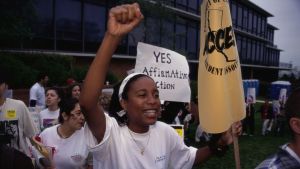
Why the Supreme Court Endorsed, Then Limited Affirmative Action
Ruling in a case that challenged practices that colleges use to select a diverse student body, the Supreme Court reverses itself.
13:28
1
lesson plan
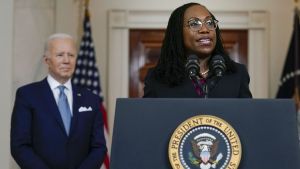
Why Supreme Court Confirmations Have Become So Bitter
The defeat of Robert Bork’s nomination to the Supreme Court in 1987 changed the way justices are confirmed today.
10:16
1
lesson plan
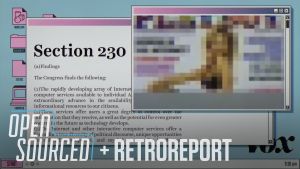
Trump and Biden Both Want to Repeal Section 230. Would That Wreck the Internet?
Today’s heated political arguments over censorship and misinformation online are rooted in a 26-word snippet of a law that created the Internet as we know it.
09:13
1
lesson plan

The Domestic Violence Case That Turned Outrage Into Action
The “Burning Bed” killing put domestic violence in the headlines.
18:47
Combating the Myth of the Superpredator
In the 1990s, a handful of researchers inspired panic with a dire but flawed prediction: the imminent arrival of a new breed of “superpredators.”
10:09
1
lesson plan

The Misunderstood McDonald’s Hot Coffee Lawsuit
Stella Liebeck was vilified when she was awarded millions after spilling McDonald’s coffee in her lap. Her complaint sounded frivolous. But the facts told another story.
10:57
1
lesson plan

The Birth of Free Agency
The drama of modern free agency has become as much a part of professional sports as the games themselves. But it wasn’t always that way. Today’s free agents owe a big debt of gratitude to Curt Flood.
12:32
1
lesson plan

Space Law: The Next Generation
An international treaty laid out the basics of space law in 1967. But without a lot of case history to go on, lawyers today have looked to maritime law and Arctic exploration as they lay the groundwork for how space will be governed.
06:01
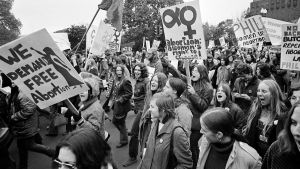
How an Underground Abortion Network Got Started
It started with one request. A friend’s sister was pregnant and suicidal. Before long a clandestine group called Jane was created to help women in Chicago with illegal abortions.
01:24

Abortion Was Illegal. This Secret Group Defied the Law
The Supreme Court has reversed Roe v. Wade, the 1973 ruling that established the constitutional right to abortion. We tell the story of the Jane Collective, which provided thousands of illegal abortions from 1969 to 1973.
08:08

Why We Can’t Have a Civil Conversation About Guns
In the 1980s, the attempted assassination of Ronald Reagan and the shooting of his press secretary, Jim Brady, led to the Brady Bill. Decades later, are there lessons from that fight for the Parkland students?
11:07
1
lesson plan

Old Attitudes on Addiction Are Changing. So Are Treatments.
Overdose deaths are skyrocketing, forcing researchers to find new ways to think about and treat addiction.
06:08

Hillary Clinton and the Superpredator
Wondering what the Hillary Clinton/superpredator brouhaha is all about? Here’s the cliff notes…
01:54
How Heroin Addiction’s Rural Spread Changed the War on Drugs
From time to time over the past 40 years, efforts were made to treat heroin addiction as a public health instead of a crime problem. But they were not successful.
13:59
1
lesson plan

Why Pinball Was Banned for Decades
Pinball was illegal? Really?
02:13

The Lawyer
A mini-doc about the anatomy of a shaken baby case from the perspective of defense attorney Adele Bernhard.
02:35
From Crack Babies to Oxytots: Lessons Not Learned
In the 1980s, many government officials, scientists, and journalists warned that the country would be plagued by a generation of “crack babies.” They were wrong. More than 25 years later, the media is sounding a similar alarm.
11:31
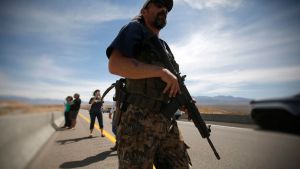
Why Waco Is Still a Battleground in the Second Amendment Debate
In 1993, state and federal law enforcement agents conducted a siege on the headquarters of an apocalyptic religious group in Waco, Texas. The deadly episode generated a legacy that continues to shape anti-government groups today.
14:50
1
lesson plan
A Right to Die?
Should doctors be allowed to help suffering patients die? In 1990, with his homemade suicide machine, Dr. Jack Kevorkian raised that question. It’s an issue Americans still struggle with today.
14:26
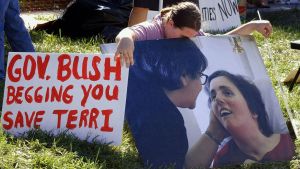
Her Vegetative State Caused Congress, President Bush and Even the Pope to Weigh In
The legal dispute over Terri Schiavo’s medical care transformed a family disagreement into a national debate, shaping how Americans discuss end-of-life decision-making and the role of the government.
12:54
1
lesson plan
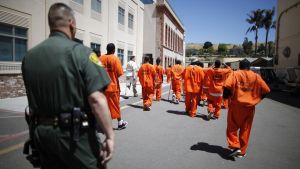
Crime and Punishment: Three Strikes and You’re Out
After the 1993 murder of a California child, many states passed laws to lock up repeat offenders for life, but those laws have raised new questions about how crime is handled in America.
11:19
1
lesson plan

The Crack Baby Scare: From Faulty Science to Media Panic
In the 1980s, images of tiny, jittery “crack babies” caused social outcry – crack-addicted pregnant mothers were prosecuted and the media warned that a generation of “crack babies” would plague our country. Turns out… they were wrong.
10:06
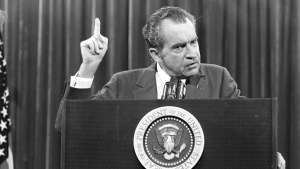
Inside the Saturday Night Massacre: Nixon, Watergate and the Fight for Accountability
Nixon’s 1973 firing of a Watergate prosecutor raised questions about executive power, accountability and the limits of the law.
08:17
1
lesson plan
Policing
Silence in Sikeston
55:40
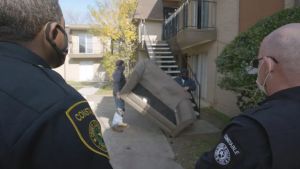
Facing Eviction
Since the summer of 2020, we’ve documented the impact of the pandemic on housing and evictions. We followed tenants, landlords, lawyers, judges, sheriffs and social workers across the U.S. who were affected.
53:16
1
lesson plan
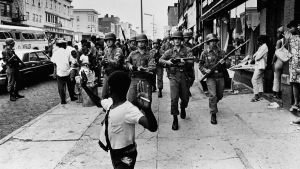
Racial Inequality Was Tearing the U.S. Apart, a 1968 Report Warned. It Was Ignored.
Anger over policing and inequality boiled over in 1967 in protests and violence across the United States. A landmark report warned that without major changes, it would happen again.
05:17
1
lesson plan
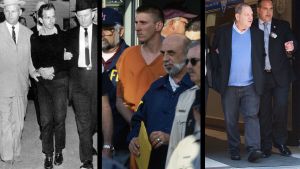
Perp Walks: When Police Roll Out the Blue Carpet
Perp walk: Unfair maneuver or a strong warning to would-be criminals?
07:37
1
lesson plan
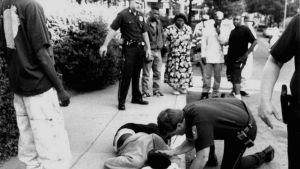
Operation Ceasefire: Inside a Community’s Radical Approach to Gang Violence
This is the story of cops, African-American pastors, gang members, and academics coming together to create positive change for Boston, while upending notions of traditional policing in a way that is especially pertinent today.
31:50
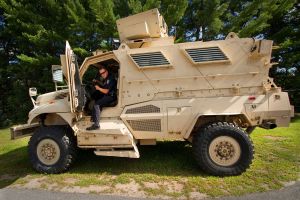
The Rise of SWAT: How Cops Became Soldiers
As police have become more militarized, the role of SWAT teams has morphed – from use in emergency situations to fighting the drug war.
02:58
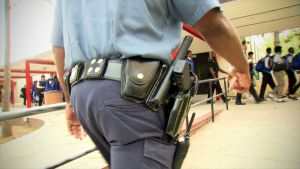
How ‘Zero Tolerance’ Blurred the Lines Between Schools and Criminal Justice
Over the last 30 years, schools across the country have enacted tough new discipline policies. Some of those schools say they went too far.
11:39
1
lesson plan
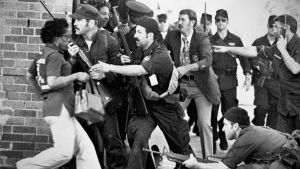
How a Standoff with the Black Panthers Fueled the Rise of SWAT
S.W.A.T. teams, specially trained police teams, have been used increasingly in routine matters like serving drug warrants, sometimes with disastrous results.
09:50
1
lesson plan
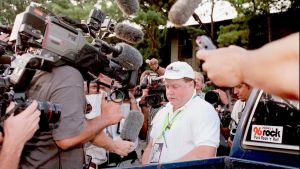
Richard Jewell: The Wrong Man
The 1996 Olympics in Atlanta were rocked by a bomb that killed one and injured more than 100. In the rush to find the perpetrator, one man became a target. There was only one problem. He was innocent.
11:50
1
lesson plan
