

For every required school reading there is a perfect Retro Report video to add context. Here are some popular books often assigned by E.L.A/English teachers, and the videos that offer historical background and connections to current events. Team up with a teacher across the hall to enhance your students’ critical thinking skills and content knowledge.
“Slaughterhouse-Five”
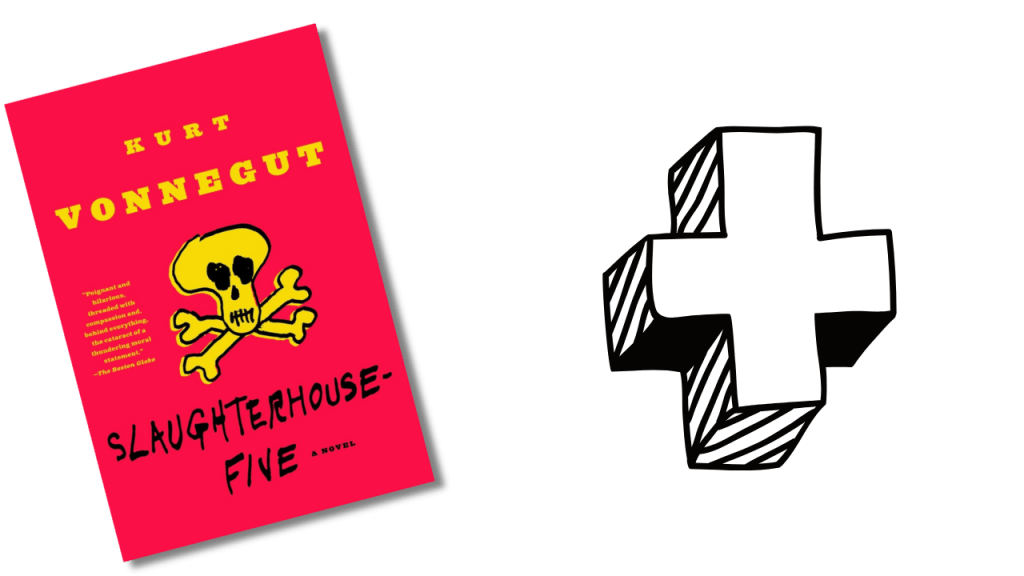
“Book Bans, Student Rights and a Fractured Supreme Court Ruling”
In the 1970s, high school student Steven Pico challenged his Long Island school board after it removed books, including “Slaughterhouse-Five,” from his school library. His lawsuit went all the way to the Supreme Court. The justices issued seven different opinions, leaving a precedent that is influential but unsettled.
“Frankenstein”

“How a Sheep Named Dolly Sparked a Scientific Revolution”
In 1997, the cloning of a sheep sparked ethical debates about the scientific drive to create life without fully considering the consequences—a central theme in Mary Shelley’s novel “Frankenstein”. This 13-minute video explores the motivation behind Dolly’s creation and its legacy.
“The Crucible”

“The Crucible” was published in 1953, when Senator Joseph McCarthy was in the spotlight, investigating reports of communist affiliations. In this eight-minute video, students will learn about the Cold War witch hunt that inspired Arthur Miller’s play about the Salem witch trials.
“Animal Farm”

George Orwell’s commentary on Stalinism also serves as an introduction to the decades-long U.S. intervention in Latin America during the Cold War. This six-minute video explores the ongoing consequences of that intervention.
“Fahrenheit 451”

Ray Bradbury’s classic dystopian novel about a book-burning fireman is still a timely read. Show students an 11-minute video that explores how censorship and warning labels have been targeting pop culture for decades.
“The Immortal Life of Henrietta Lacks”

“Racial Health Disparities Didn’t Start With Covid”
In 1951, researchers took cells of a poor, Black woman without her knowledge and used them in experiments to further vaccine research and development. Pairing Rebecca Skloot’s book with our 6-minute video on the history of racial health disparities allows students to better understand the nuances of trust in the medical community.
“To Kill a Mockingbird”

Harper Lee’s novel is set in the early 1930s, when a wave of Depression-era resentment led to lynchings. This six-minute short doc explores the 1942 lynching of Cleo Wright in Sikeston, Mo., its societal implications and lasting effects on the community.
“Night” or “The Diary of Anne Frank”

This 80-minute documentary (short excerpts are available) follows Holocaust survivor David Wisnia as he returns to Auschwitz and reveals the story of his escape from the Nazi death camp. Wisnia’s sense of humor and his memory of a long-lost love will keep students hooked until the end.
“Persepolis”

In a graphic novel, Marjane Satrapi tells the story of her life in Iran during and after the Islamic revolution. The 14-minute video explores the role of the C.I.A. in Iran’s political turmoil, then and now.
“Born a Crime“

Trevor Noah’s memoir chronicles his South African childhood during apartheid. This 13-minute video shows parallels in the experiences of the Morris family of Chicago. Under a program to end racial discrimination in public housing policy, they were able to move to a majority white neighborhood for access to better opportunities.
“Maus”

This seven-minute video includes interviews with elderly Ukraine residents who survived Nazi camps and are now refugees in Germany.
“The Poisonwood Bible” or “The Absolutely True Diary of a Part-Time Indian”

Both novels explore the themes of cultural identity, colonialism and the conflicts that emerge when cultures collide, and family relationships play a central role. This 11-minute video on the Supreme Court ruling upholding the Indian Child Welfare Act contextualizes these themes in the present day.
“Refugee” or “Inside Out & Back Again”

The books chronicle the experiences of families escaping war and violence. The eight-minute video offers perspectives of an Afghan and a Vietnamese family, shedding light on the challenges refugees face when they attempt to start over in the U.S.
“They Called Us Enemy”, “Farewell to Manzanar” or “Unbroken”

These books highlight the resilience of young people who spent years imprisoned as a result of the standoff between the U.S. and the Japanese Empire in World War II. The 10-minute video explores the Supreme Court decision that upheld an executive order to imprison people of Japanese descent.
“Hidden Figures”

“Hidden Figures” highlights the Black women mathematicians whose calculations helped NASA send the first American into Earth’s orbit in 1962. Our 7-minute short doc examines the Apollo moon landing mission years later, and the marketing strategies that won crucial public support during the Cold War.
“The Glass Castle”

“Loneliness Is on the Rise. Are Closer Neighbors a Solution?”
In “The Glass Castle”, Jeannette Walls recounts her challenging upbringing, caused by her parents’ struggles with poverty, alcoholism, and homelessness. Our 10-minute short doc explores how co-housing can alleviate loneliness and help families with children and older adults.
“The Color of Law”
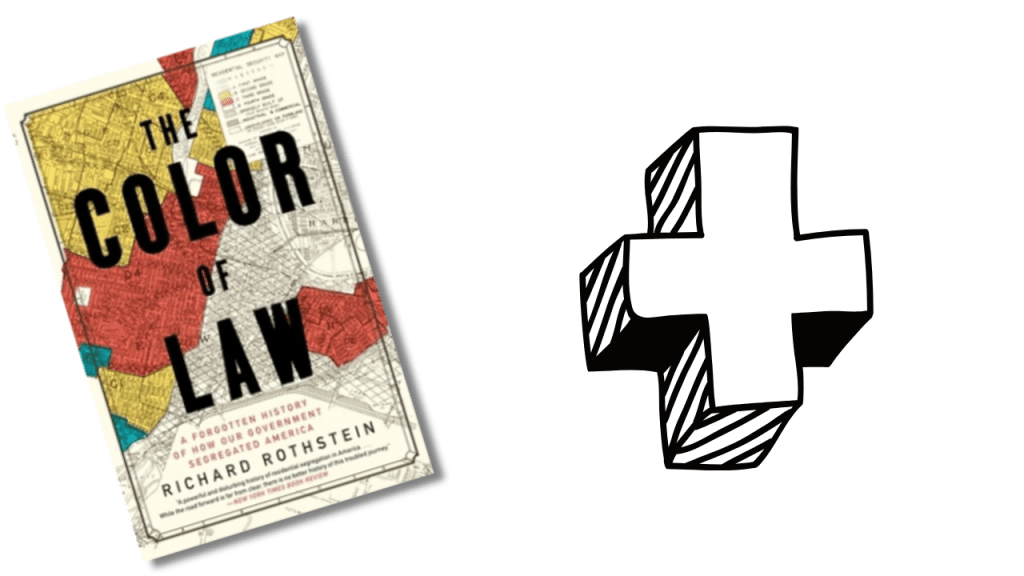
“Whites-Only Suburbs: How the New Deal Shut Out Black Homebuyers”
“The Color of Law,” winner of multiple awards, reveals how federal, state and local policies deepened segregation by systematically preventing Black families from buying homes in white neighborhoods. Our 10-minute short doc explores one lasting consequence of these policies: the rise of whites-only suburbs.
