
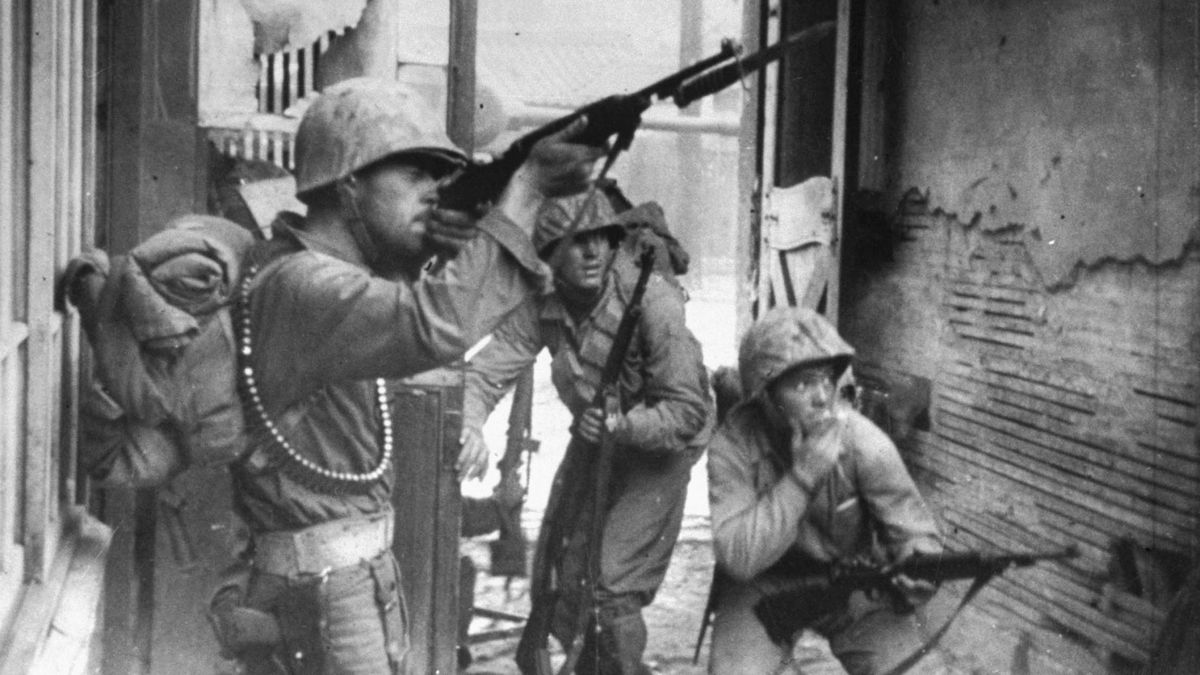

Students will learn how President Harry Truman’s use of presidential power during the Korean War continues to influence U.S. foreign policy and military engagements around the world today.
U.S. Foreign Relations

Posted inU.S. History
Lesson Plan: The Cold War and the Nuclear Weapons Threat
Students will learn about the Cold War-era nuclear standoff between the United States and the Soviet Union, and its connection to the threat of nuclear conflict today.
Posted inCivics and Government
Lesson Plan: How the Military Response to 9/11 Led to Two Decades of War in Afghanistan
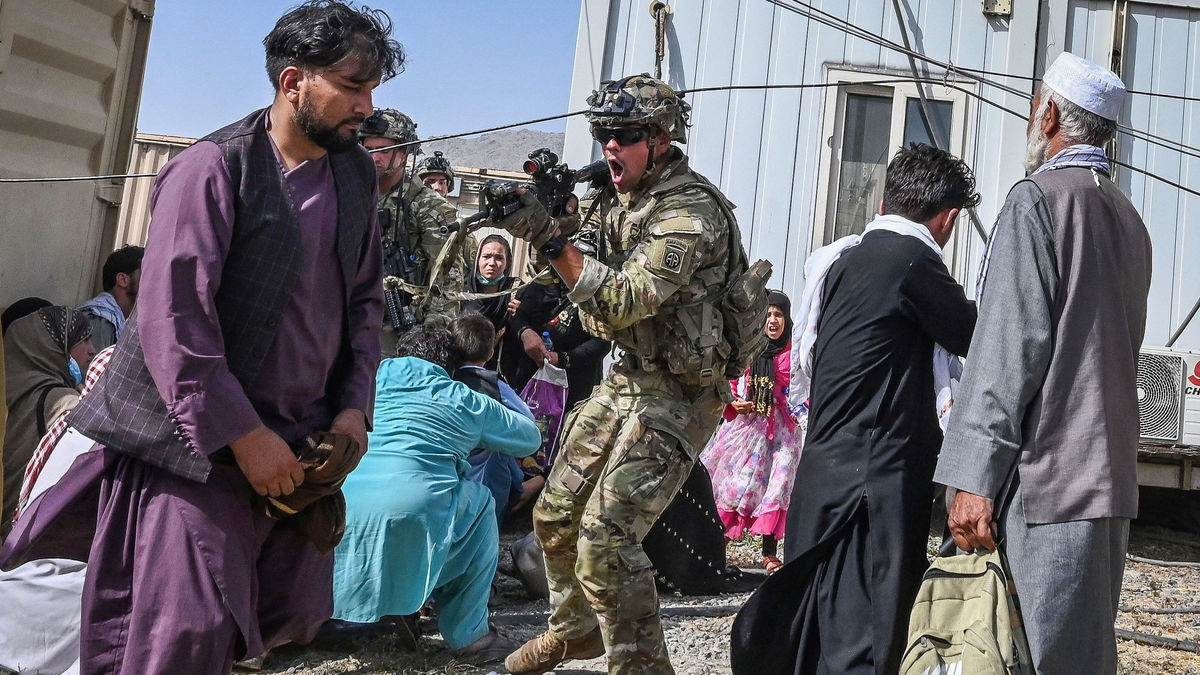
Students will learn how the U.S. military response to the 9/11 attacks led to decades of war and a chaotic ending.”

Posted inU.S. History
Lesson Plan: Hexagonal Thinking – Latin America and the Cold War
Students will connect terms, ideas and images as a means for presenting Cold War tensions in Latin America visually. The activity is designed for students to complete in small groups and can be used as a review or as a final assessment.
Posted inU.S. History
Lesson Plan: Massacre in El Salvador
Students will learn about the Cold War in Latin America, with a focus on the El Mozote massacre in El Salvador.

Posted inU.S. History
Lesson Plan: Dictators and Civil Wars
Students will learn how driven by fears of the rise of Communism, the United States adopted a policy of containment, intervening in the politics of countries across the globe, including many countries in Latin America.

Posted inU.S. History
Lesson Plan: Cuban Missile Crisis
Students will analyze and evaluate the actions taken by the United States and the Soviet Union during the Cuban missile crisis.
Posted inCivics and Government
Lesson Plan: Cabinet Simulation for Environmental Policy
United Nations member states are developing a resolution to end plastic pollution through an international agreement. This type of multilateral environmental agreement has been reached before, notably with the Montreal Protocol in 1987. That agreement, one of very few to achieve universal ratification, regulates the production and use of chemicals known to deplete the ozone layer.

Posted inU.S. History
Lesson Plan: Operation Ajax and the C.I.A. in the Cold War
C.I.A. activity has cast a long shadow over relations between the United States and Iran. In 1953, the agency helped to orchestrate a coup that ousted Prime Minister Mohammad Mossadegh, who was viewed as a threat to Western oil interests. The plot, known as Operation Ajax, restored Shah Mohammad Reza Pahlavi, a U.S. ally during the Cold War, to power.
Posted inCivics and Government
Lesson Plan: Regime Change in Iran – Oil and Operation Ajax
In 1953, after the Iranian government nationalized the Iranian oil industry under the control of Prime Minister Mohammed Mossadegh, the C.I.A. orchestrated a coup that resulted in a regime change in Iran. Operation Ajax restored Shah Reza Pahlavi, a U.S. ally during the Cold War, to power and paved the way for the Iran revolution in 1979, leading to a strained relationship between the two countries.
