
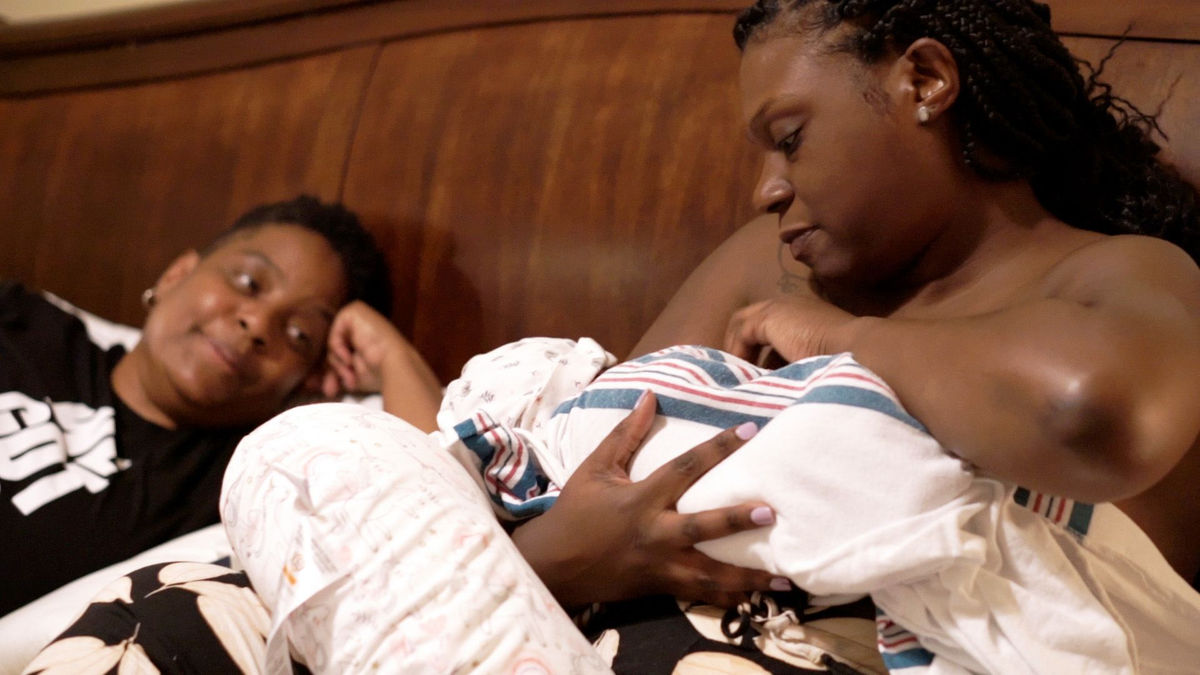


For care in pregnancy and childbirth, Black parents are turning to a traditional practice.

Anne Checler
Anne Checler is an award-winning documentary editor with over 15 years of experience in long and short-form documentaries, television and web series which have covered a wide range of topics from Resistance fighters during WWII and the Black Panthers to slave labor in Brazil and the music of Charlie Chaplin. Her work has been featured on Independent Lens/PBS, NBC, France 2, TV Globo, Filmstruck.com, mlssoccer.com, the Human Rights Watch Film Festival, DocNYC, and various other international film festivals.

Posted inVideo
Why the Cold War Race for Nuclear Weapons Is Still a Threat


Russian President Vladimir Putin controls the world’s largest nuclear arsenal, and his invasion of Ukraine is a reminder that Russia, the U.S. and many other countries have thousands of nuclear missiles, even as safeguards once in place have fallen away.

Posted inVideo
Shamed by Sex, Survivors of the Purity Movement Confront the Past

A “purity” movement in the 90s led by evangelical Christians promoted a strict view of abstinence before marriage. Today, followers are grappling with unforeseen aftershocks.

Posted inVideo
How Decades of Housing Discrimination Hurts Fresno in the Pandemic


Decades of discrimination in Fresno laid the groundwork for a housing crisis today.

Posted inVideo
Tenants Facing Eviction Over Covid-19 Look to a 1970s Solution

An idea from a tenant rebellion in the 70s could help renters facing eviction.

Posted inVideo
How Black Women Fought Racism and Sexism for the Right to Vote
African American women played a significant and sometimes overlooked role in the struggle to gain the vote.

Posted inVideo
Coronavirus Reignites a Fight Over Rights of Detained Migrant Children


Migrant children in federal custody have tested positive for Covid-19, reopening a legal battle over the rights of children in custody.

Posted inVideo
Our Appetite for Beef Is Growing. So Are Climate Worries.

Scientists warn that to slow climate change, we need to change how we farm and what we eat.

Posted inVideo
Meatless Burgers Are on Trend. Eating to Save the World Has a Long History.


Plant-based meats may be high tech, but the ideas behind them have been around for decades.

Posted inVideo
Teaching Teens About Sex: The Decades-Old Debate over Abstinence-Only
A decades-old battle is re-emerging over abstinence-only sex education.
