
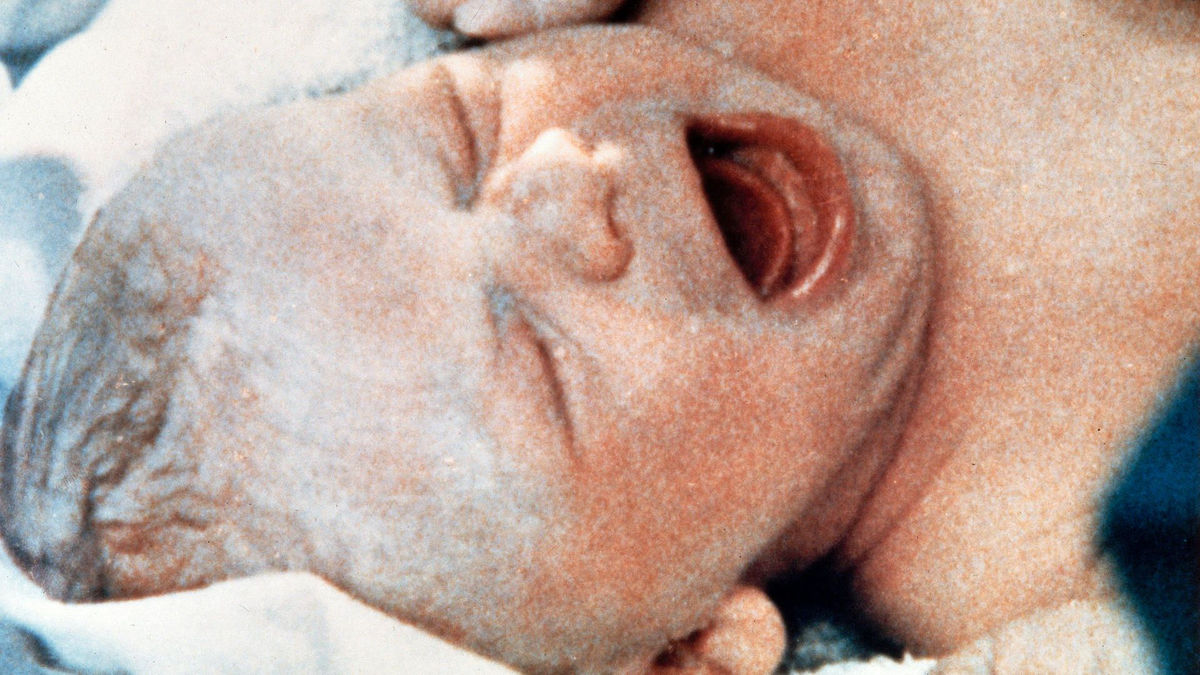


Genetic technology is advancing, and critics are warning of a slippery slope. We speak with the scientists working at the forefront of the research, families who have benefited and the first-ever “test-tube” baby to understand the debate.

Anne Checler
Anne Checler is an award-winning documentary editor with over 15 years of experience in long and short-form documentaries, television and web series which have covered a wide range of topics from Resistance fighters during WWII and the Black Panthers to slave labor in Brazil and the music of Charlie Chaplin. Her work has been featured on Independent Lens/PBS, NBC, France 2, TV Globo, Filmstruck.com, mlssoccer.com, the Human Rights Watch Film Festival, DocNYC, and various other international film festivals.
Posted inVideo
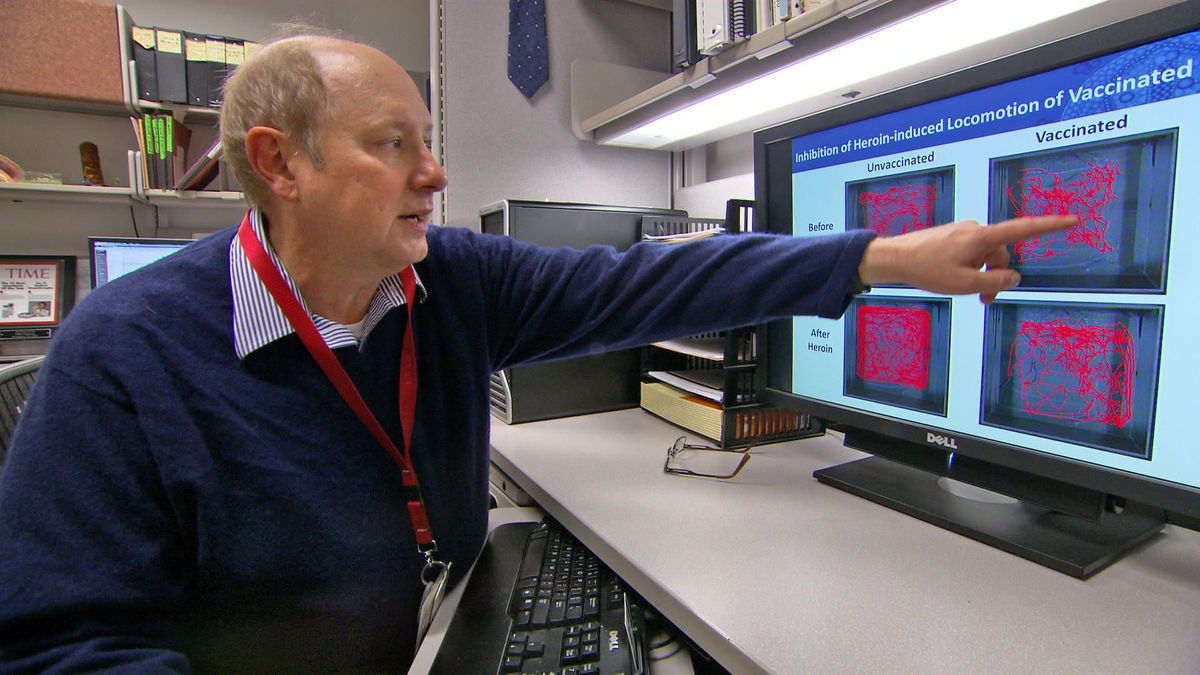
Old Attitudes on Addiction Are Changing. So Are Treatments.


Overdose deaths are skyrocketing, forcing researchers to find new ways to think about and treat addiction.

Posted inVideo
What History Can Teach Us About Mass Killings


A century ago, a culture rid itself of the problem of mass murder. How did that happen and what can the modern-day world learn from it?

Posted inVideo
Myths and Misperceptions about Eating Disorders

Thirty million people will suffer from eating disorders in their lifetime, yet decades after Karen Carpenter died from anorexia, myths about eating disorders continue.

Posted inVideo
How ISIS Resembles the Doomsday Cults of the 1970s
Can the lessons we learned from extremist cults decades ago be used to fight ISIS recruitment today?

Posted inVideo
Future of Work

A remote Oregon mountainside offers a window into the workplace of the future.

Posted inVideo
Could You Patent the Sun?


Decades after Dr. Jonas Salk opposed patenting the polio vaccine, the pharmaceutical industry has changed. What does that mean for the development of innovative drugs and for people whose lives depend on them?

Posted inVideo
Activating a Generation: From Live Aid to the Ice Bucket Challenge


Thirty years after “Live Aid” changed the face of charity fundraising, clicktivism has taken center stage. If you share, re-tweet and like, are you making the world a better place?

Posted inVideo
How ‘Zero Tolerance’ Blurred the Lines Between Schools and Criminal Justice


Over the last 30 years, schools across the country have enacted tough new discipline policies. Some of those schools say they went too far.

Posted inVideo
A Change of Heart


The artificial heart became a media sensation in the 1980s as it both raised hopes and spread controversy. Today its impact on medical science is still playing out in surprising ways.
