

Andrew McGill


Posted inU.S. History
Lesson Plan: Extremism, ISIS and the Doomsday Cults of the 1970s
Students will learn how the wave of extreme cults that swept the U.S. in the 1970s holds surprising lessons for confronting 21st century international terrorism.
Posted inCivics and Government
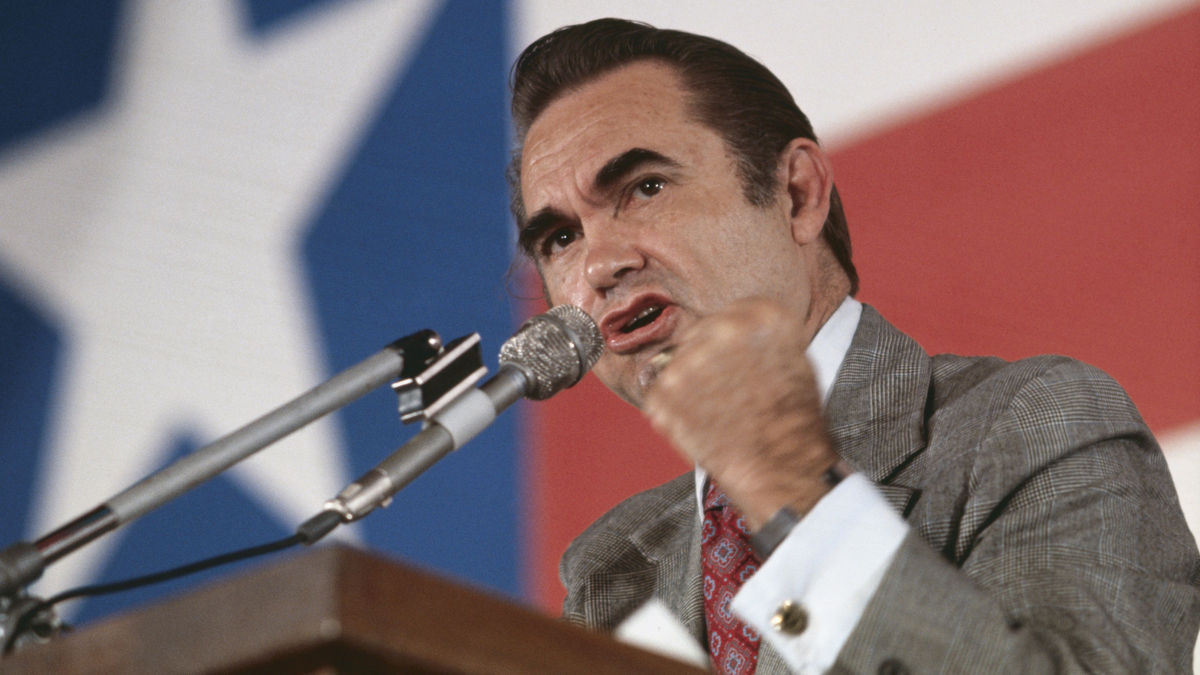
Lesson Plan: George C. Wallace and the Politics of Segregation
Students will learn how Alabama Gov. George Wallace’s evolving positions on race reveal both the intensity of the white backlash to desegregation during the 60s and the growing political power of the black community during the 70s and early 80s.


Posted inCivics and Government
Lesson Plan: Jimmy Carter and the Rise of Evangelical Voters
Students will learn how the cultural and political trends of the 1960s and 1970s led to heightened political engagement among evangelical Christians and the emergence of a powerful new conservative movement.

Posted inLesson Plan
Lesson Plan: How a Folk Singer’s Murder Forced Chile to Confront Its Past – Mini Lesson
Students will connect the events of the 1973 U.S.-backed Chilean military coup to the Cold War by focusing on the killing of folk singer and activist Victor Jara.


Posted inCivics and Government
Lesson Plan: The Environment and Natural Resources – Wild Horses
Students will learn about efforts in the early 1970s to enhance environmental regulation and species protections and what happens when those policies lead to conflict – in this case over the wild horse.

Posted inU.S. History
Lesson Plan: The End of the Cold War – Nuclear Winter
Students will learn how a scientific theory of “nuclear winter” shifted the debate over nuclear weapons in the 1980s, and how that hypothesis connects to the 21st century challenge of climate change.

Posted inLesson Plan
Lesson Plan: Human Geography – The Population Bomb
Students will learn why concerns about population growth first emerged in the 1970s, why predictions about population were wrong, and what that means for today.
