
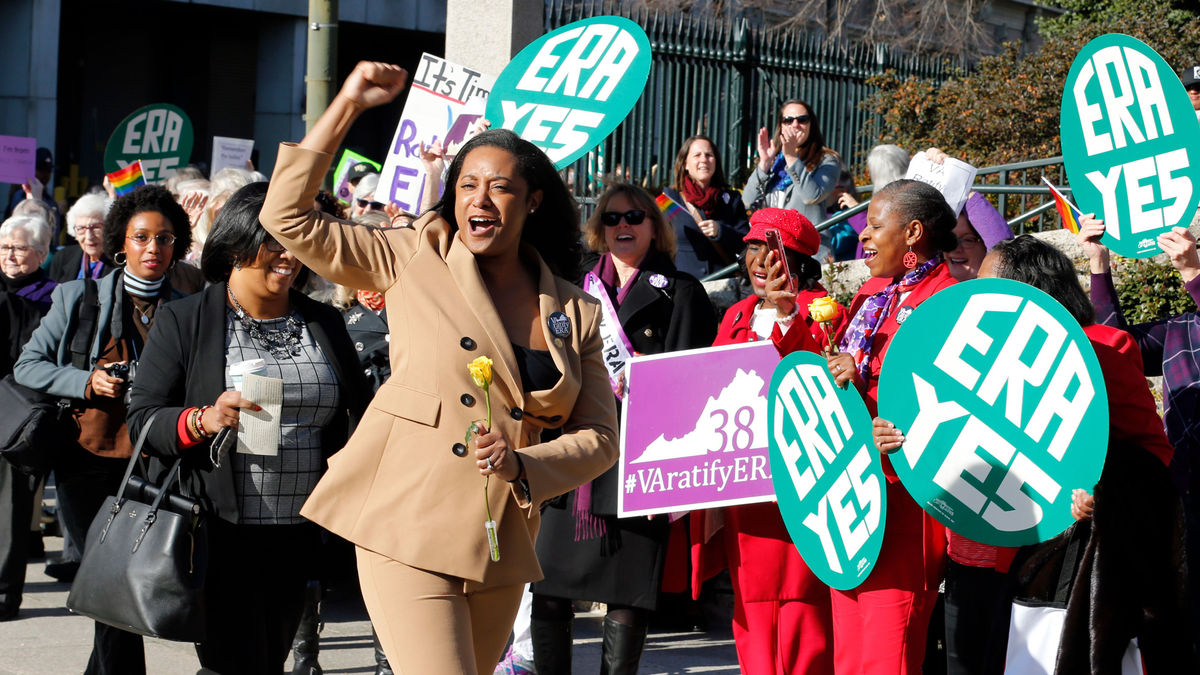

Students will examine the history of the Equal Rights Amendment, develop a claim, and use evidence gathered from a variety of sources to support their answer.

Andrew McGill

Posted inCivics and Government
Lesson Plan: Protests for Racial Justice – A Long History
Students will learn how current protests against police violence and racial inequality are connected to the past, and about the White House commission that released a report in the aftermath of the major urban disorders of 1967.

Posted inU.S. History
Lesson Plan: How the Cold War Arms Race Fueled a Sprint to the Moon
Students will learn how the United States space program was fueled by Cold War rivalry, and how the U.S. government leveraged the program’s success in its public relations battle with the Soviet Union.

Posted inCivics and Government
Lesson Plan: McCarthyism – Populism and the Press
Students will learn how Joseph McCarthy rode to power on a wave of anti-communist fears, and how television contributed to both his rise and fall.
Posted inCivics and Government
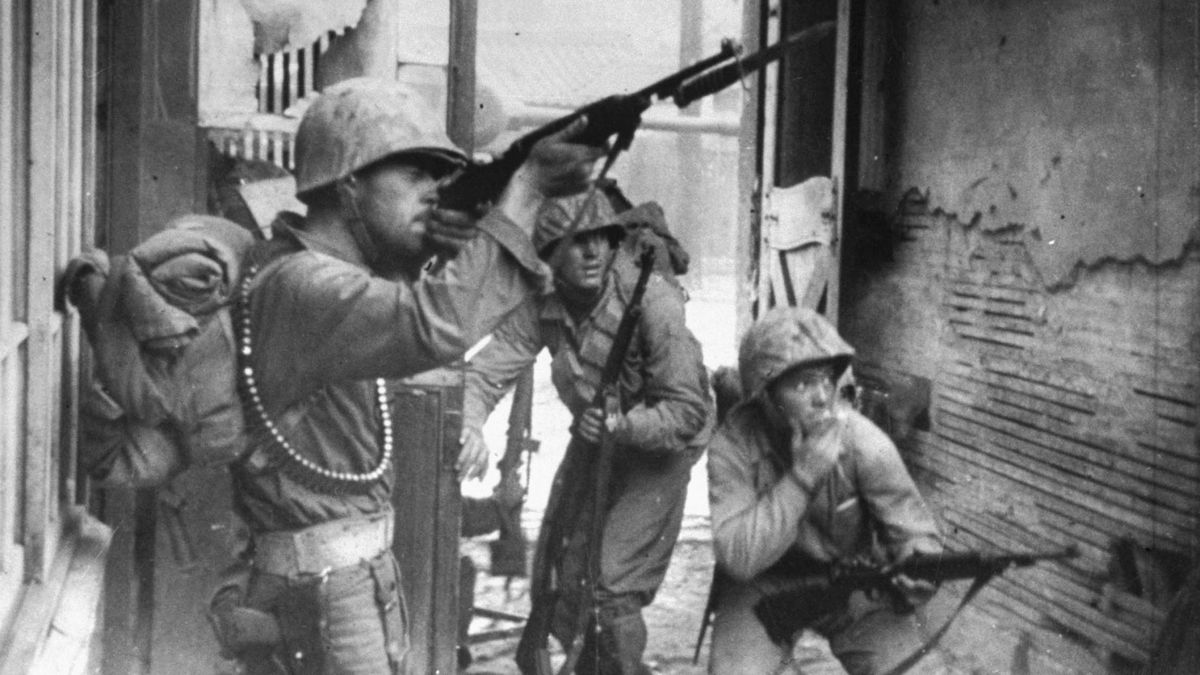
Lesson Plan: How the Korean War Expanded Presidential Power
Students will learn how President Harry Truman’s use of presidential power during the Korean War continues to influence U.S. foreign policy and military engagements around the world today.

Posted inCivics and Government
Lesson Plan: The Media’s Role in Campaign Coverage
Students will hear how the nation’s leading reporters and media figures who covered Donald Trump’s 2016 campaign offer a candid critique of their role in the former president’s rise to power.

Posted inCivics and Government
Lesson Plan: The Role of States in Elections
Students will learn about the contested 2000 election, analyze the long-term implication of the Bush v. Gore case and investigate what constitutes a free and fair election in the United States.

Posted inCivics and Government
Lesson Plan: Poll Watchers and the Long History of Voter Intimidation
Students will examine primary and secondary sources related to voter intimidation to determine how integrity of elections can be ensured.

Posted inU.S. History
Lesson Plan: Media Literacy and the Lost Cause Narrative
What happens when history is written not by the victors, but the losers? After the Civil War, the United States began the difficult process of reuniting and healing after four years of brutal conflict and centuries of Black enslavement. During this process of Reconstruction, the question arose for former Confederates of how to remember the Civil War and its causes. In an attempt to justify their actions, white Southerners created a historical narrative of the Civil War known as the Lost Cause. This romanticized version of historical events has since been largely discredited by historians. Nonetheless, the impact of this collective regional memory remains. In this activity, students will apply a fact-checking process to the six key tenets of the Lost Cause narrative.
Posted inLaw and Public Policy
Lesson Plan: Intro to Fact-Checking
Students will learn about the methods professional news organizations and historians use to check facts and how that applies to their own work.
