

We speak with teachers across the nation year-round, and not just about the videos and classroom resources they need. They tell us that students’ attention spans are getting shorter and phone addiction is worse. Political polarization and underdeveloped social and emotional skills are derailing classroom discussions.
We delved into studies and data from our teacher network and can offer some ideas for tackling four common issues related to student engagement this fall.
1. Screen and social media addiction
A 2024 study of 150 undergraduate students found that excessive reel consumption, whether on Instagram, TikTok, or YouTube, is associated with cognitive decline and poor academic performance. Similarly, a recent study from M.I.T.’s Media Lab found that ChatGPT users “consistently underperformed at neural, linguistic and behavioral levels” when writing SAT essays, compared with people using Google or nothing at all.
Consider setting aside time for discussions about digital literacy and the impact that chronic social media use has on cognitive function. You will be empowering students to make informed decisions about their media consumption habits and cognitive health.
Suggested resource

Online All the Time? Researchers Predicted It.
Our social media addiction is explained by theories pioneered by B.F. Skinner decades ago.
Access resources.This 10-minute video explores behavioral psychology theories developed in the 1950s that help to explain why social media is addictive. Teachers may use the free lesson plan to guide students through a screen-time analysis, a mindfulness activity and a brainstorming session focused on finding ways to reduce phone use.
2. Political polarization
Stanford researchers found that sixth graders are learning to distrust and dislike others based on political differences at earlier ages than in the past. A student’s political beliefs can be shaped by experiences, family, religion, geography, and other factors they are not always aware of.
Suggested resource
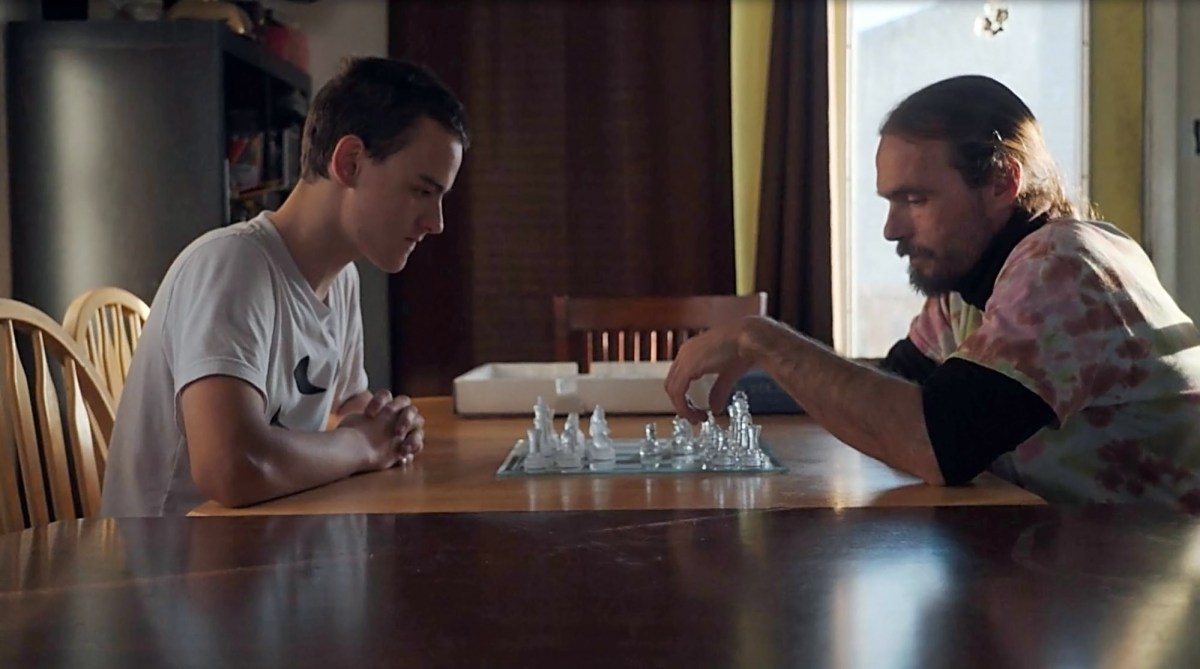
In this short excerpt from the Emmy-nominated series “Citizen Nation”, a high school student who is training to compete in a national Civics competition reflects on how family, society and his own aspirations have shaped his political beliefs. Use the accompanying activity to guide students through a nonjudgmental analysis of how and why they came to hold their current beliefs.
Want to go further? In “How to (Respectfully) Disagree,” high school students in Miami debate book bans while modeling respectful dialogue. Teachers may use the free lesson plan to help the class establish their own norms after reflecting on what civil discourse looks and sounds like.
3. Poor reading comprehension
Prior knowledge can matter more than reading ability when it comes to comprehension. In a study that became known as “the Baseball Experiment”, students reenacted a baseball game using a model field after reading a descriptive passage. Surprisingly, those who knew about baseball, even if they were poor readers, performed as well as or better than strong readers with little knowledge of the game. Conclusion: Building background knowledge is crucial for effective reading comprehension and student engagement.
Suggested resources
📚 Books and Related Retro Reports: If you are an English teacher planning on assigning a text, consider finding its Retro Report pair and hosting a screening. We have identified 20 popular books often assigned by E.L.A/English teachers, and the videos that offer historical background and connections to current events.
⚖️ SCOTUS Collection: Exploring a Supreme Court landmark ruling in AP Gov or Government class? You will find a video in this collection that adds historical context.
🌳 Environmental Education Collection: Assigning a science-related article? The videos in this collection are especially useful for connecting scientific principles and their real-world implications.
4. Lack of student engagement
In the first half of 2025, 90+ teacher advisors reported using Retro Report videos in their classrooms at least once. Ninety-nine percent of them said that the resources increased student engagement by sparking more classroom discussions than average. Students also paid more attention in class.
In addition to incorporating videos into your class, consider sharing interactive timelines and maps. These resources align with young people’s habits of engaging with screens. They also empower them to take control of their learning. In our Multi-Media library, you will find a growing collection of interactives.
Suggested resources
🌎 Understanding the Cold War in Latin America is a popular interactive map that is also available in Spanish.
🌎 Retro Report Around the World is a new interactive map listing more than 300 videos by location, and is perfect for those looking to assign a local history research or inquiry project.
🌎 Pythons Observed in Florida is connected to our video about invasive species and utilizes a Geographic Information System map to display sightings of Burmese pythons across Florida.
Create your free teacher account and join thousands of educators from across the country who are already using the resources above to increase engagement and foster critical thinking skills in the classroom.
ISADORA VAREJÃO is an engagement producer.
RELATED ARTICLES:
- Browse Our Most Popular Social Studies Activities in 2025 (So Far)
- A Native American Educator Shares How You Can Teach About Indigenous Issues
- Spark Cross-Curricular Discussion and Research Projects on Earth Day With This Video
- How a Retro Report Documentary Kept My Students Engaged in a Conversation About the Holocaust and Upstanders
- Tackling Students’ Calls for More Diversity in Curriculum With Retro Report
- Classroom Scavenger Hunt, a Perfect Icebreaker for Your First Day of School
