

As the 2024 election calendar rolls on, a vestigial section of the Constitution may play a consequential role in how we, the people, choose the president.
After the Civil War, Congress passed three Constitutional amendments to address some of the intractable problems that had brought about the war.
- The 13th Amendment, ratified in 1865, abolished slavery and involuntary servitude, except as punishment for a crime.
- The 14th Amendment, ratified in 1868, is primarily known for its citizenship clause (Section 1), which established birthright citizenship along with due process and equal protection clauses that have led to an expansion of civil liberties protections.
- The 15th Amendment, ratified in 1870, extended the right to vote to Black men, including those formerly enslaved.
Another clause in the 14th Amendment has received new attention since the attack on the Jan. 6, 2021, attack on the Capitol. Section 3, Disqualification From Holding Office, bars anyone who has engaged in insurrection or rebellion, or given aid to those who have, from holding state or federal office.
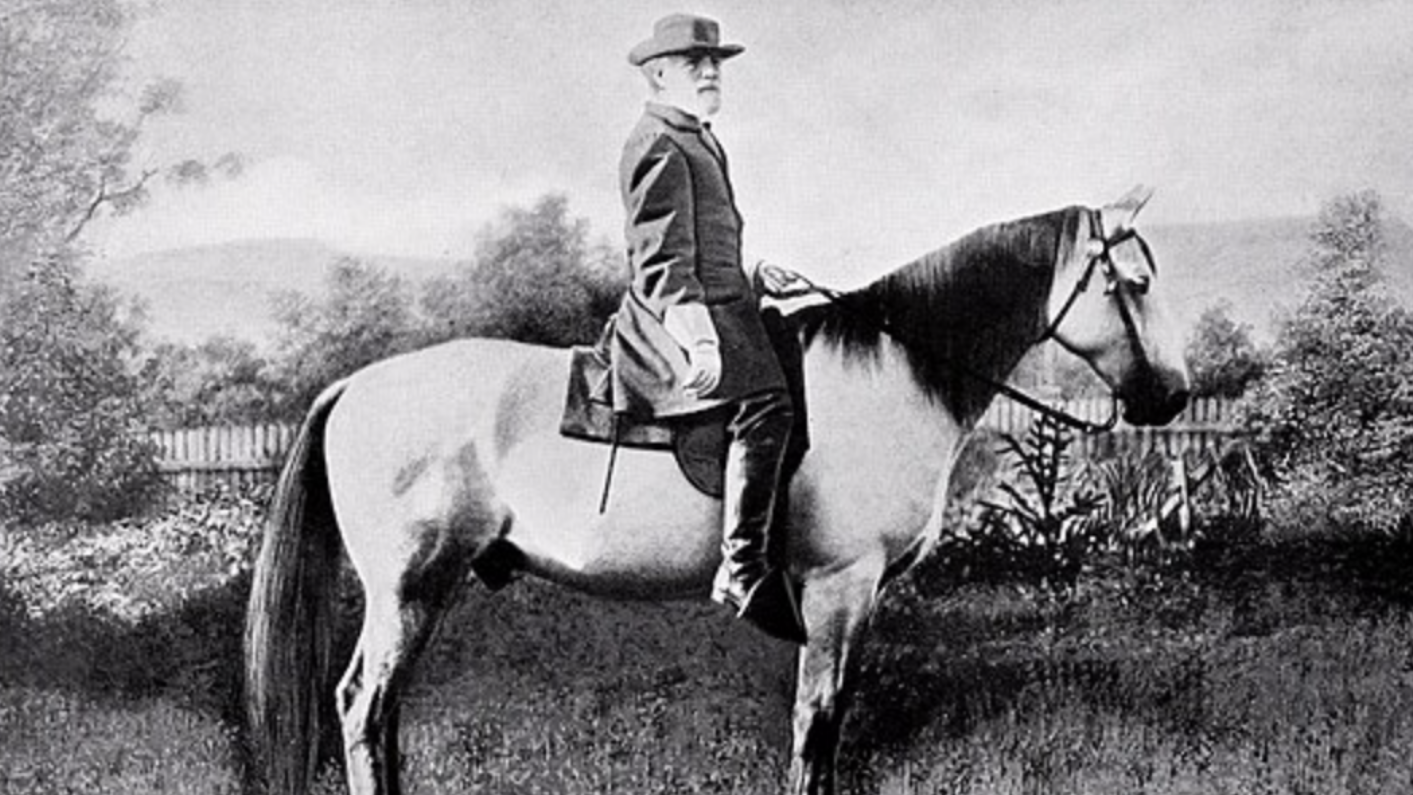
At the time the amendment was enacted, ballot disqualifications were rare, likely because it was understood that participation in the rebellion and secession made one ineligible. Four years later, Congress passed the Amnesty Act of 1872 and restored the office-holding abilities of all but the most high-ranking Confederates. In the 1970s, Congress even posthumously removed the disqualification from both Robert E. Lee and Jefferson Davis. Since the Civil War, the Disqualification Clause has only been used only rarely.

In 1918, after Socialist Party candidate Victor Berger of Wisconsin, above, was elected to the House, the body refused to seat him, citing the Disqualification Clause. Berger had opposed World War I, and had been prosecuted under the Espionage Act. Wisconsin held a special election in 1919, which Burger won, and the House again refused to seat him. After Burger’s conviction was overturned by the U.S. Supreme Court, he won the seat again in 1922 and served several terms.
After Jan. 6, the only successful attempt to bar an individual from office has been against a county commissioner in New Mexico. In September 2022, a federal judge held that the commissioner, Couy Griffin, could be barred from the ballot for participation in the attack on the Capitol.
Renewed debate over the Disqualification Clause arose after a court in Colorado and the secretary of state in Maine barred former President Donald Trump from the ballot in their respective Republican presidential primaries. The U.S. Supreme Court has agreed to hear an appeal in Trump v. Anderson. The case will be argued on Feb. 8.
The court’s judgment is likely to hinge on a few central arguments, including how to define “insurrection” and “engagement,” and whether the judicial or the legislative branch of government should make those determinations.
Another key question is whether the president is “an officer of the United States.” The language of the amendment specifically mentions members of Congress, an officer of the United States or a member of a state government. Likewise, the offices from which one is barred are listed as “Senator or Representative…or elector…” or “…any office, civil or military, under the United States…” The presidency is not on the list.
DAVID OLSON, the Director of Education at Retro Report, taught AP U.S. Government and Politics for a decade. He holds a master’s degree in Political Science with a focus on Constitutional law from the Univerisity of Wisconsin. This article first appeared in Retro Report’s newsletter. You can subscribe here and view past newsletters here.
