

Cases that come before the Supreme Court have shaped history and reflected some of the nation’s most pivotal debates. One of the overarching concerns of the current Supreme Court term is the First Amendment. Who can regulate free speech? Why do lawmakers call for limitations on media? What exactly is the separation of church and state? Use these five Retro Report documentary videos and accompanying free resources to address these questions in class.
Presidents v. Press: How the Pentagon Papers Leak Set Up First Amendment Showdowns
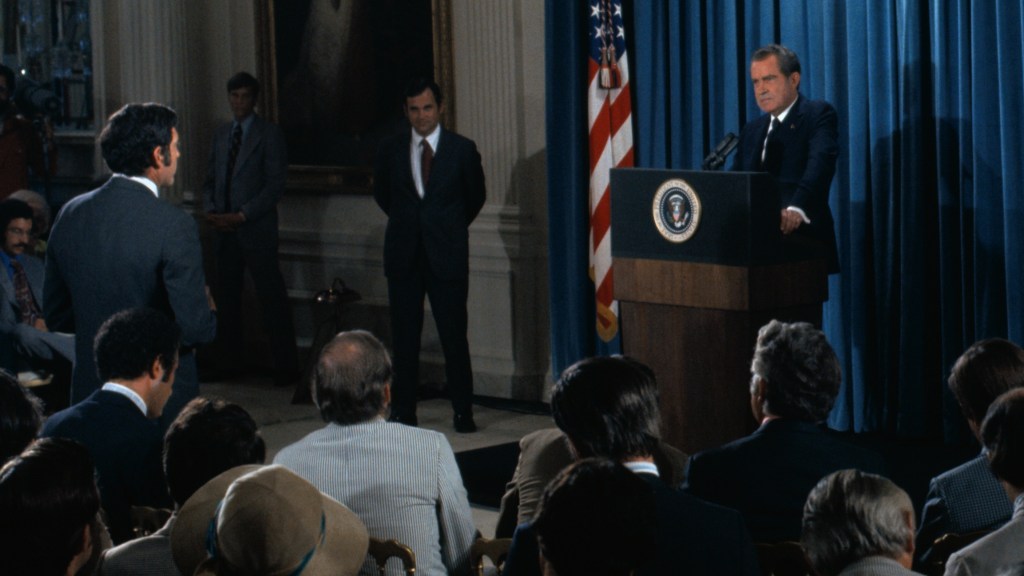
This year marked 50 years since the Senate began televised hearings of the Pentagon Papers case, one of the greatest First Amendment scandals in U.S. history. In 1971, The New York Times published the Pentagon Papers, classified documents that revealed how president after president had misled the public about the role the United States played in escalating the Vietnam War. The Supreme Court ruled against President Richard Nixon’s attempt to bar publication, setting a strong precedent for protections for journalists under the First Amendment. Watch this video and use the accompanying lesson plan to examine the leak and the impact that publication had on the future of the First Amendment.
Who Gets to Regulate #*%&? Free Speech in Popular Culture

Who decides whether limits can be placed on popular culture? The question harks back to ancient Greece, when Plato questioned the impact Greek tragedies had on children. This Retro Report video explores the history of freedom of speech and its regulation through hip-hop lyrics, comic books or clothing. Learn more in this documentary and lesson plan.
As SCOTUS Examines School Prayer, Families Behind a Landmark Ruling Speak Out

In Engel v. Vitale (1962), the Supreme Court banned state-sponsored school prayer. But 60 years later, the court opened up challenges to school prayer. In Kennedy v. Bremerton (2022), the court ruled that a school board had violated a football coach’s First Amendment rights when they tried to stop him from kneeling in prayer on the field after games. To help students understand how this line is being drawn, incorporate this Retro Report film and lesson plan into your curriculum.
Legendary Cartoonist Al Jaffee Recalls Comic Book Censorship
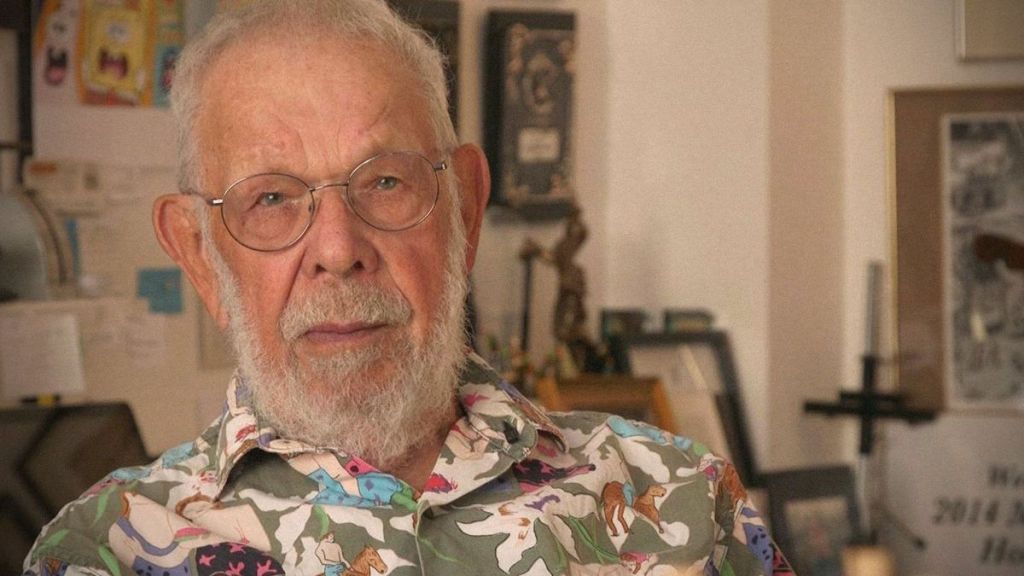
The U.S. Senate held hearings on the impact of comic books in 1954. The story of this period in United States history is told by a character at its center: the cartoonist Al Jaffee. Following the Senate hearings, strict standards were established, driving many publishers out of business. In this Retro Report documentary, Jaffee recounts his experiences as a cartoonist at Mad magazine and how the comic book industry was able to survive.
When Art Fuels Anger, Who Should Prevail?
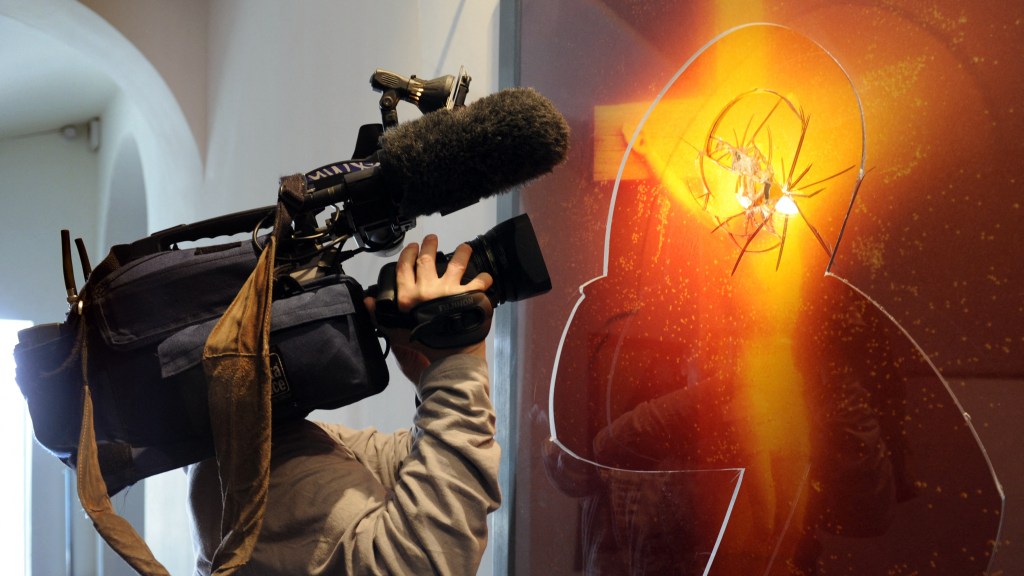
Andres Serrano’s 1987 artwork “Piss Christ,” an award-winning photograph depicting a crucifix submerged in the artist’s urine, ignited a debate in Congress over federal funding for the arts and exposed tensions that remain visible today. The debate led to efforts to restrict N.E.A. funding and establish standards of decency, which were supported in a 1990 Supreme Court ruling. Similar cases on freedom of expression continue to enter the courts today. Explore the history of censorship and art with this Retro Report film and accompanying lesson plan.
Knowledge of the First Amendment is essential to understanding freedom of speech, religion and the press. Use Retro Report resources in your classroom to help students understand how understanding of the First Amendment has evolved.
DAGMAR ROTHSCHILD is an education intern at Retro Report. She is an undergraduate at Georgetown, studying International Relations.
Stay up to date. Subscribe to our newsletters.
